
Model Context Protocol (MCP) finally gives AI models a way to access the business data needed to make them really useful at work. CData MCP Servers have the depth and performance to make sure AI has access to all of the answers.
Try them now for free →


Integrate with Adobe Analytics Data in SnapLogic
Use CData Connect Cloud to connect to and integrate with live Adobe Analytics data in SnapLogic.
SnapLogic's iPaaS platform helps organizations automate application, data and cloud integrations. When paired with CData Connect Cloud, SnapLogic gets access to live Adobe Analytics data. This article demonstrates how to connect to Adobe Analytics using Connect Cloud and integrate with Adobe Analytics data in SnapLogic.
CData Connect Cloud provides a pure SQL Server interface for Adobe Analytics, allowing you to query data from Adobe Analytics without replicating the data to a natively supported database. Using optimized data processing out of the box, CData Connect Cloud pushes all supported SQL operations (filters, JOINs, etc.) directly to Adobe Analytics, leveraging server-side processing to return the requested Adobe Analytics data quickly.
Configure Adobe Analytics Connectivity for SnapLogic
Connectivity to Adobe Analytics from SnapLogic is made possible through CData Connect Cloud. To work with Adobe Analytics data from SnapLogic, we start by creating and configuring a Adobe Analytics connection.
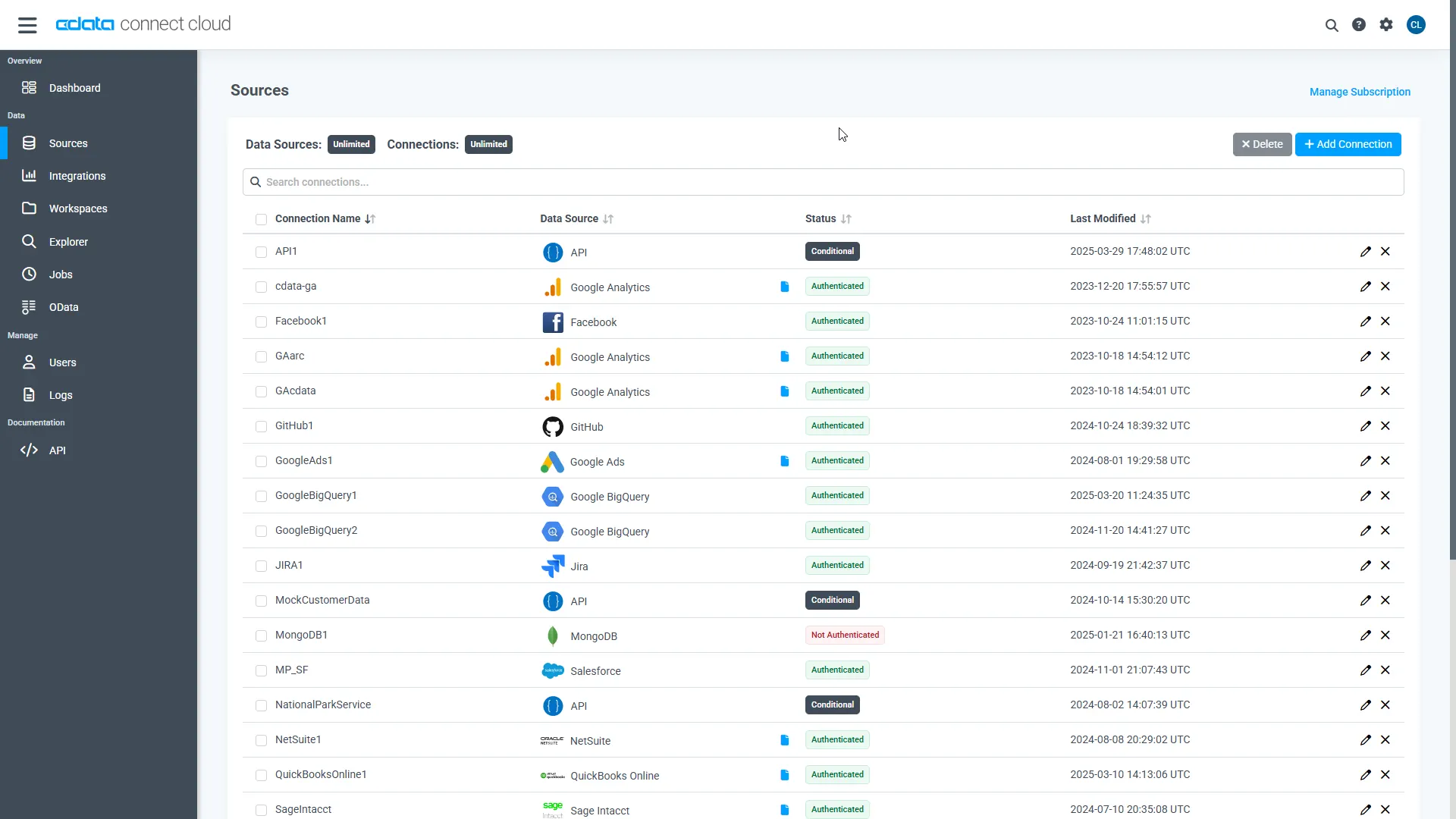
- Log into Connect Cloud, click Sources, and then click Add Connection
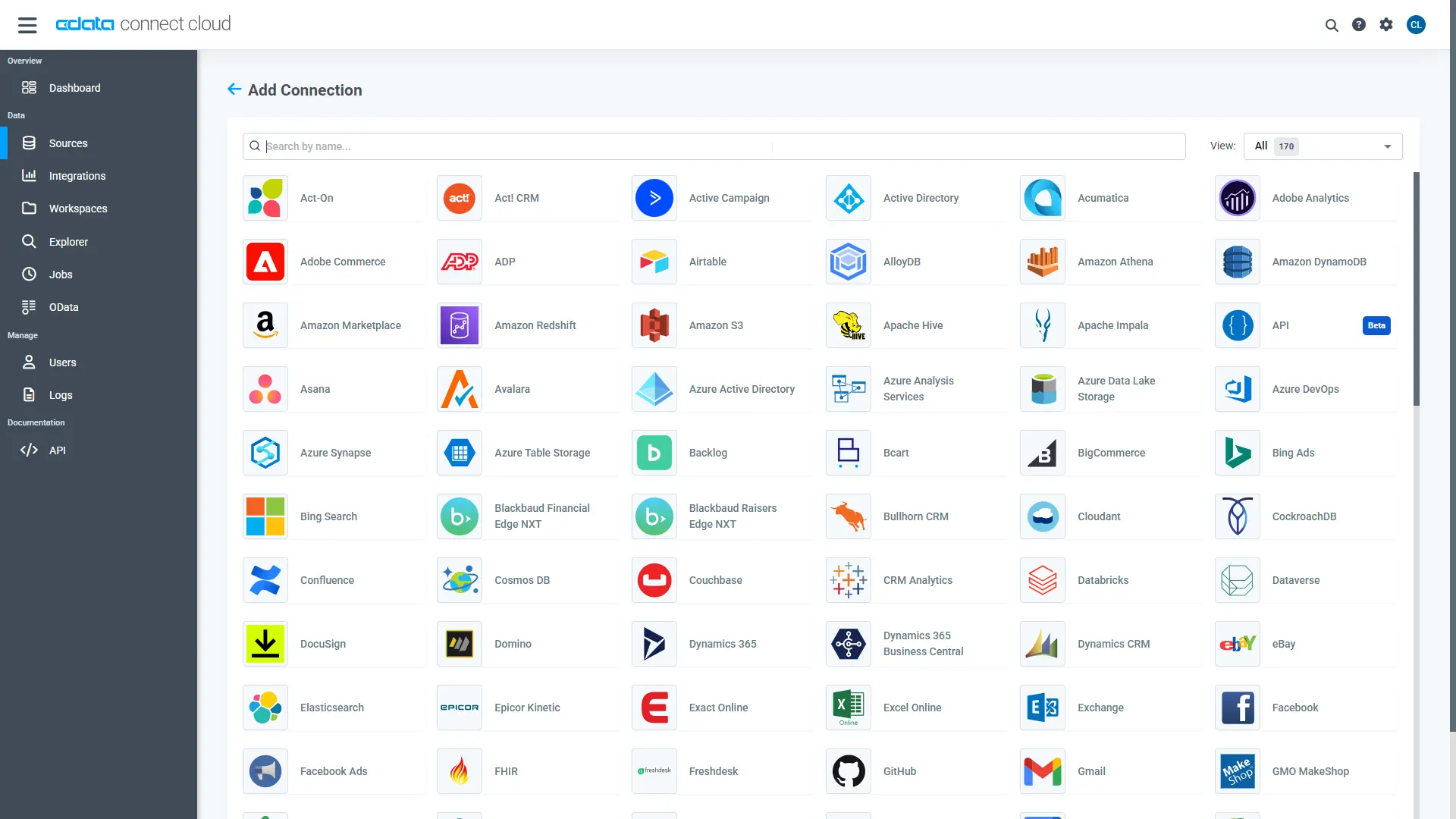
- Select "Adobe Analytics" from the Add Connection panel
-
Enter the necessary authentication properties to connect to Adobe Analytics.
Adobe Analytics uses the OAuth authentication standard. To authenticate using OAuth, create an app to obtain the OAuthClientId, OAuthClientSecret, and CallbackURL connection properties. See the "Getting Started" section of the help documentation for a guide.
Retrieving GlobalCompanyId
GlobalCompanyId is a required connection property. If you do not know your Global Company ID, you can find it in the request URL for the users/me endpoint on the Swagger UI. After logging into the Swagger UI Url, expand the users endpoint and then click the GET users/me button. Click the Try it out and Execute buttons. Note your Global Company ID shown in the Request URL immediately preceding the users/me endpoint.
Retrieving Report Suite Id
Report Suite ID (RSID) is also a required connection property. In the Adobe Analytics UI, navigate to Admin -> Report Suites and you will get a list of your report suites along with their identifiers next to the name.
After setting the GlobalCompanyId, RSID and OAuth connection properties, you are ready to connect to Adobe Analytics.
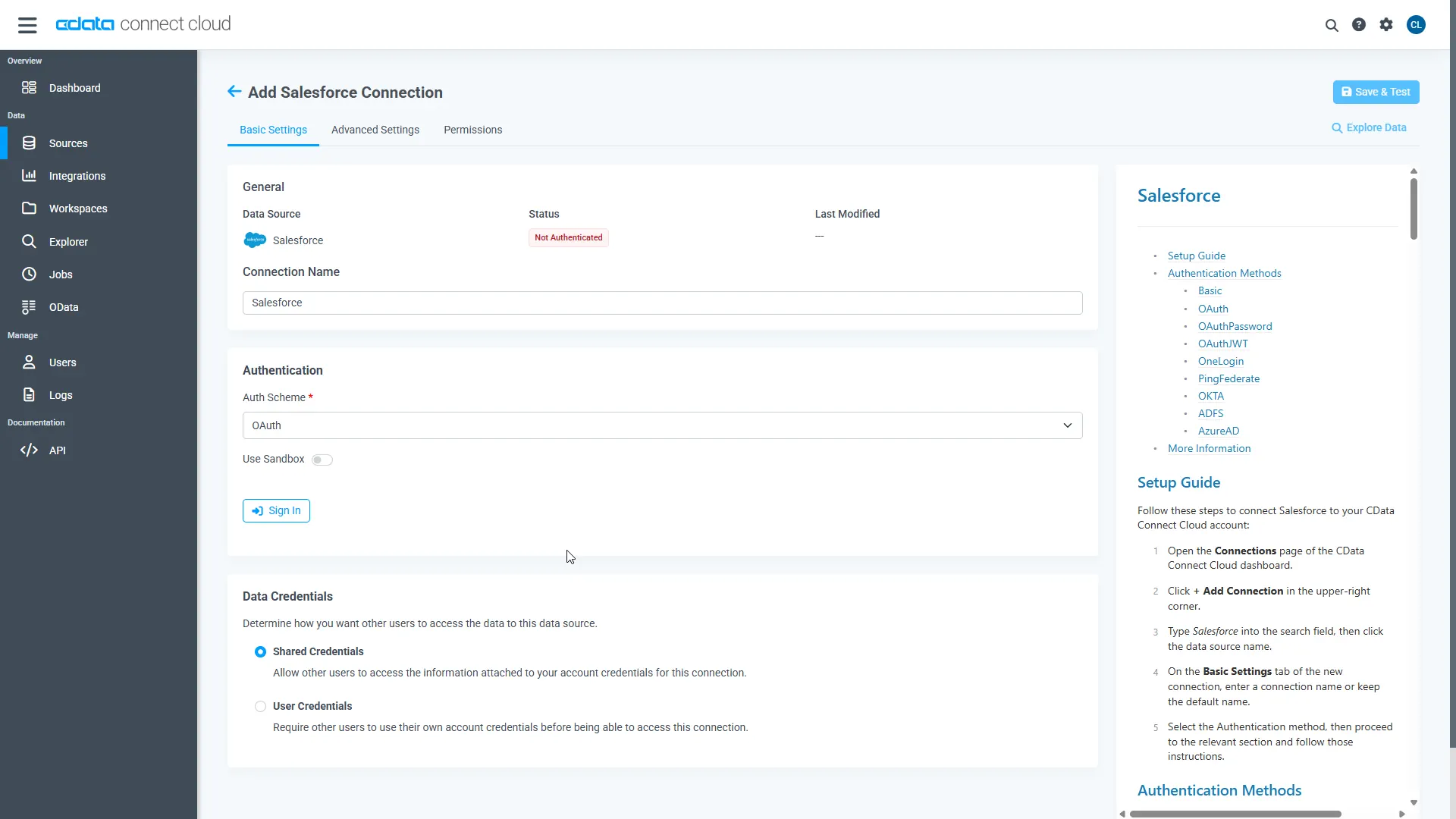
- Click Create & Test
-
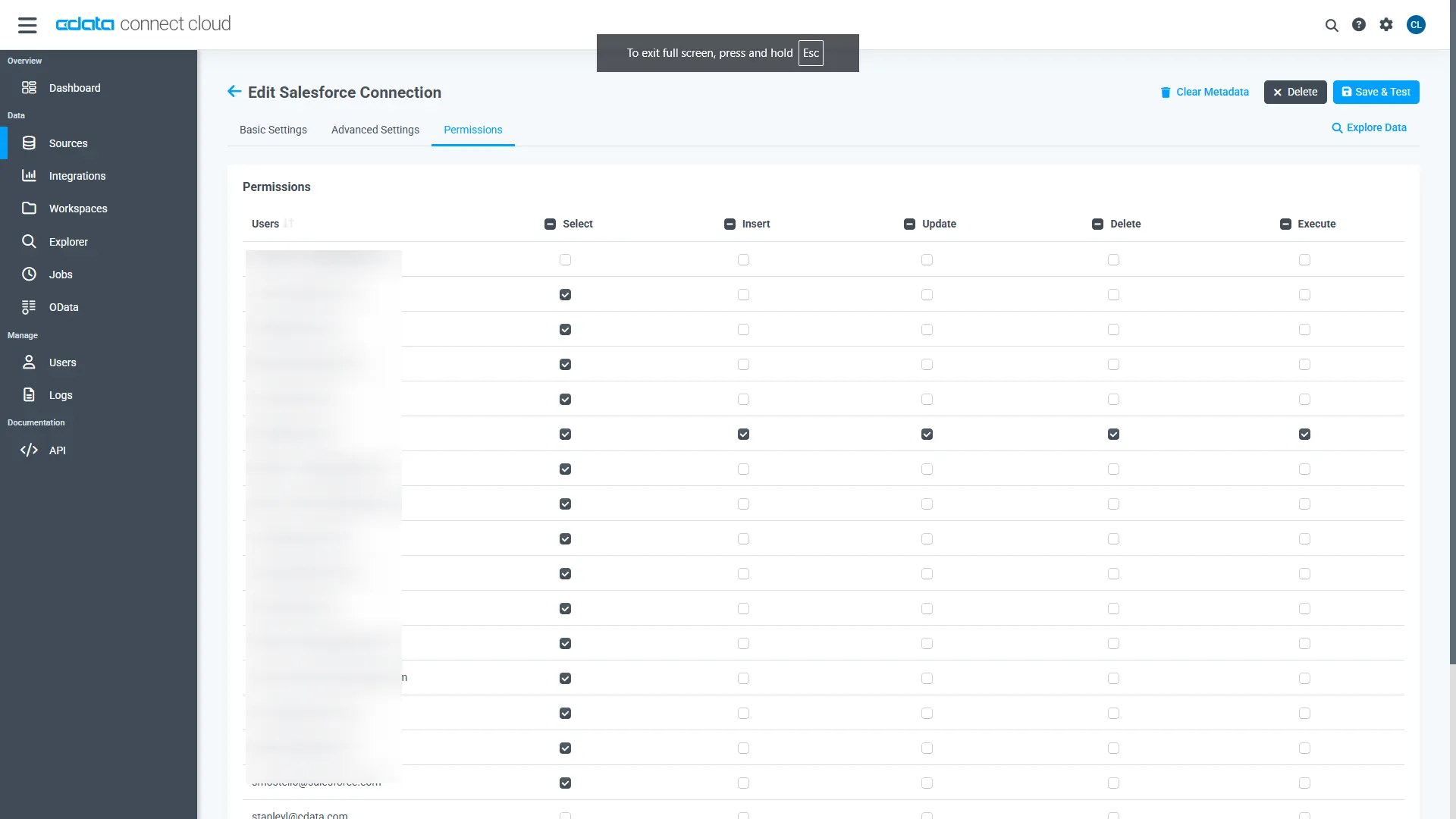
Navigate to the Permissions tab in the Add Adobe Analytics Connection page and update the User-based permissions.
Add a Personal Access Token
When connecting to Connect Cloud through the REST API, the OData API, or the Virtual SQL Server, a Personal Access Token (PAT) is used to authenticate the connection to Connect Cloud. It is best practice to create a separate PAT for each service to maintain granularity of access.
- Click on the Gear icon () at the top right of the Connect Cloud app to open the settings page.
- On the Settings page, go to the Access Tokens section and click Create PAT.
-
Give the PAT a name and click Create.
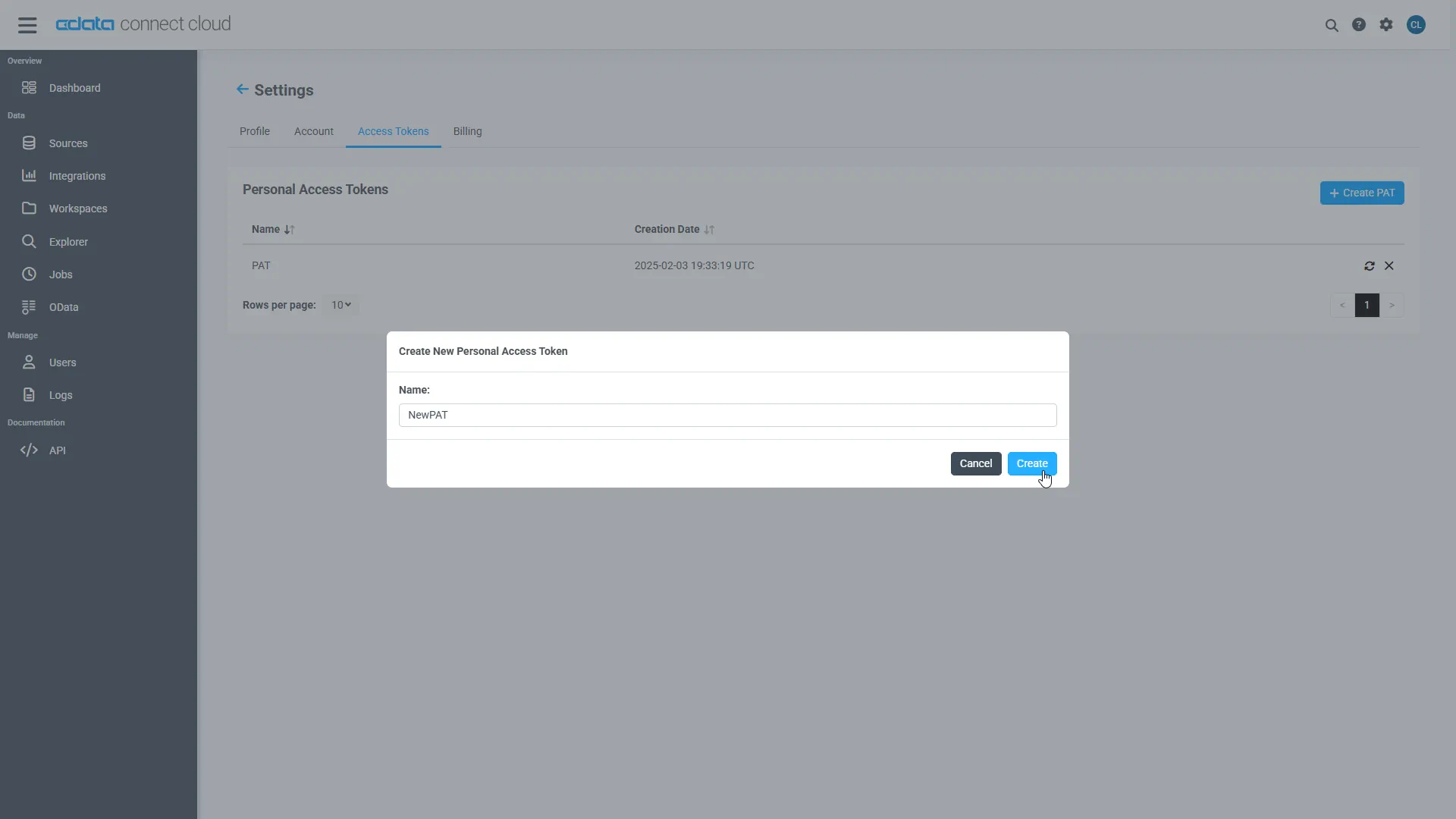
- The personal access token is only visible at creation, so be sure to copy it and store it securely for future use.
With the connection configured and a PAT generated, you are ready to connect to Adobe Analytics data from SnapLogic.
Connect to Adobe Analytics from SnapLogic using Connect Cloud
To establish a connection from SnapLogic to CData Connect Cloud, you will need to download the CData Connect Cloud JDBC Driver.
- Open the Integrations page of CData Connect Cloud.
- Search for and select JDBC.
- Download and run the setup file.
- When the installation is complete, the JAR file can be found in the installation directory (inside the lib folder).
After copying the JDBC CData Connect Cloud JAR file, you will need to paste it into the SnapLogic installation location and configure the connection to Connect Cloud.
- Log into SnapLogic.
- Click the Managers tab.
- Select a folder from the Project Spaces to add the JDBC JAR file to.
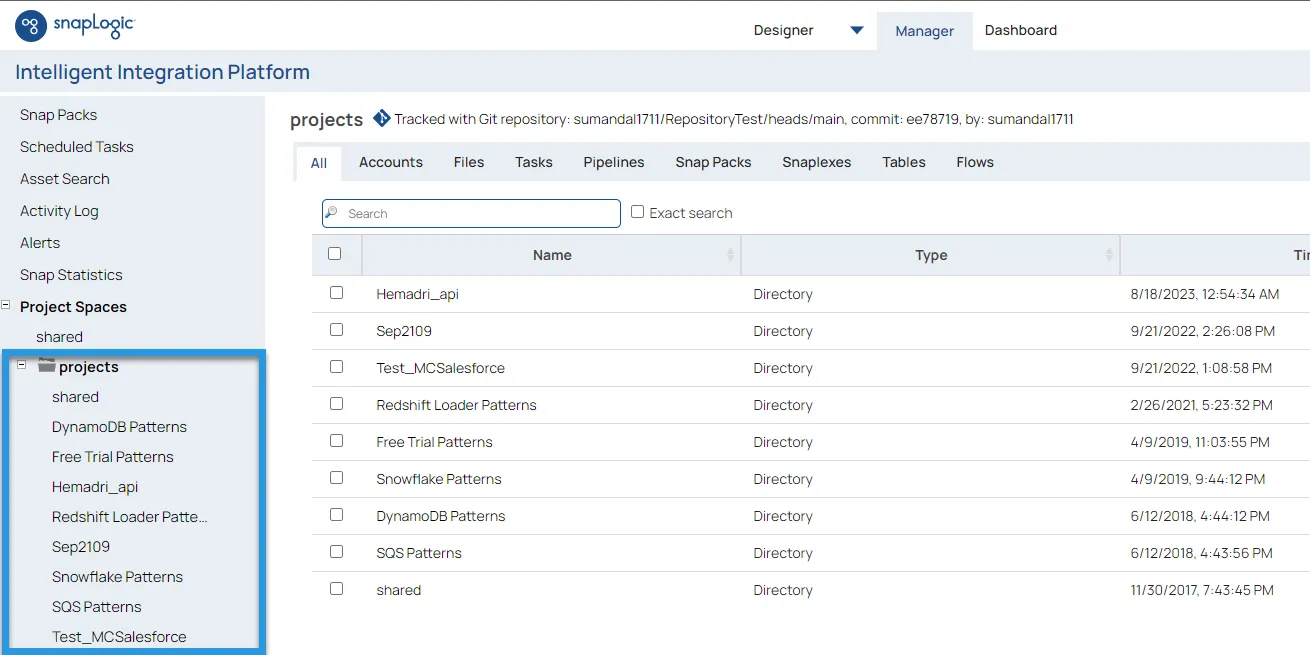
- Click the Files tab.
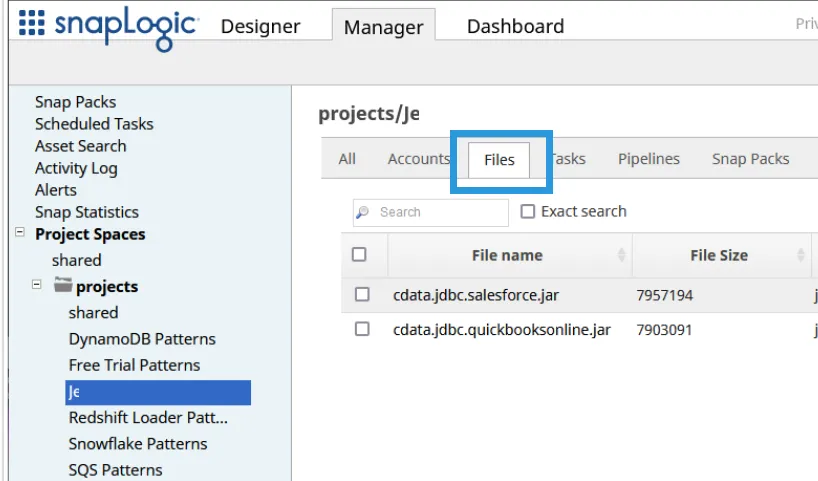
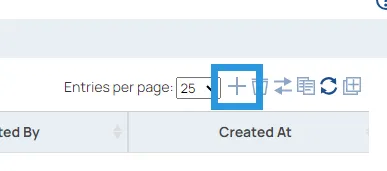
- Click the button in the top right to upload the CData Connect Cloud JDBC JAR file. It appears as a file once uploaded.
- Click the Designer tab.
- Click JDBC to expand the options for "snaps."
- Click and drag a Generic JDBC - Select "snap" onto the designer.
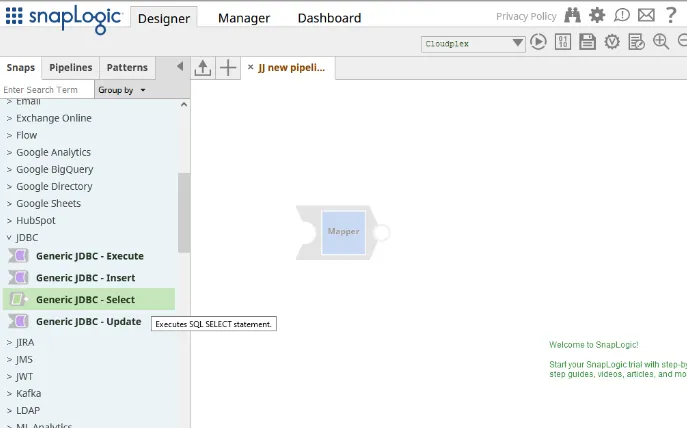
- Click Add Account > Continue.
- Enter the JDBC connection properties.
- JDBC driver: add the CData Connect Cloud JAR file
- JDBC driver Class: enter cdata.jdbc.connect.ConnectDriver
- JDBC Url: enter a JDBC connection string for the JDBC driver. For example: jdbc:connect:AuthScheme=Basic;User={username};Password={PAT};
- Username: enter your CData Connect Cloud username. This is displayed in the top-right corner of the CData Connect Cloud interface. For example, [email protected].
- Password: enter the PAT you generated previously.
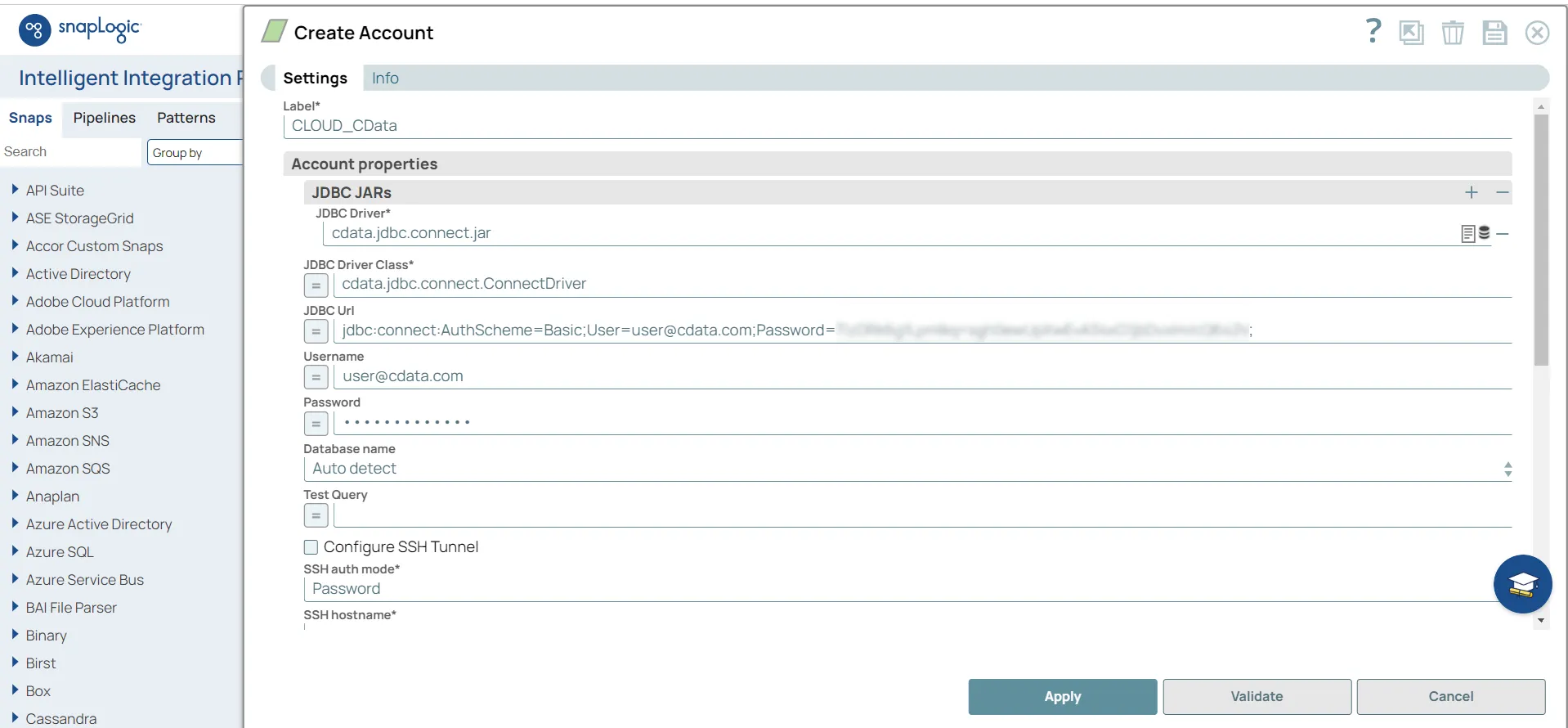
- Click Validate. If the connection succeeds, the "snap" is ready to use.
- Click Apply.
You can now create reports with the connected data.
Get CData Connect Cloud
To get live data access to 100+ SaaS, Big Data, and NoSQL sources directly from SnapLogic, try CData Connect Cloud today!
