
Model Context Protocol (MCP) finally gives AI models a way to access the business data needed to make them really useful at work. CData MCP Servers have the depth and performance to make sure AI has access to all of the answers.
Try them now for free →


Connect to Dynamics CRM from Asprova with CData ODBC Driver for Dynamics CRM
This article shows how to connect faster to Dynamics CRM data from Asprova.
The CData ODBC driver for Dynamics CRM enables you to access Dynamics CRM data from Asprova. In this article, you will import Dynamics CRM data into item data in Asprova as an example.
About Dynamics CRM Data Integration
CData simplifies access and integration of live Microsoft Dynamics CRM data. Our customers leverage CData connectivity to:
- Read and write data in the Dynamics CRM 2011+ Services and Dynamics CRM Online.
- Extend the native features of Dynamics CRM with customizable caching and intelligent query aggregation and separation.
- Authenticate securely with Dynamics CRM in a variety of ways, including Azure Active Directory, Azure Managed Service Identity credentials, and Azure Service Principal using either a client secret or a certificate.
CData customers use our Dynamics CRM connectivity solutions for a variety of reasons, whether they're looking to replicate their data into a data warehouse (alongside other data sources) or analyze live Dynamics CRMa data from their preferred data tools inside the Microsoft ecosystem (Power BI, Excel, etc.) or with external tools (Tableau, Looker, etc.).
Getting Started
Asprova setting
-
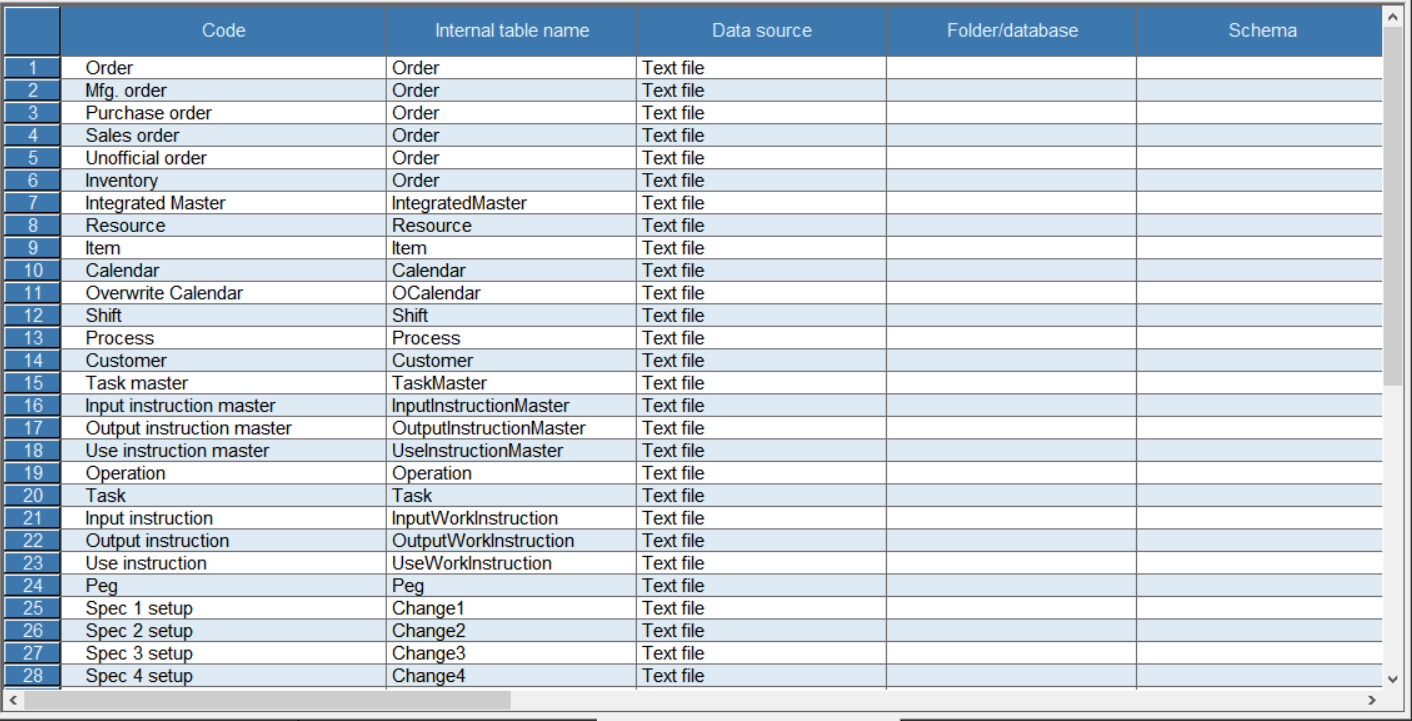
Click File -> Data I/O Settings.
-
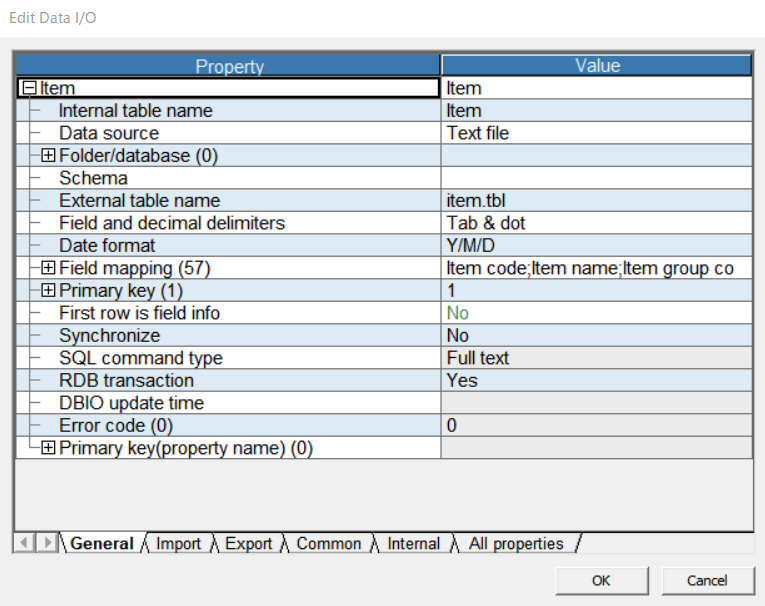
Double click the header of Item and open the Edit I/O dialog.
-
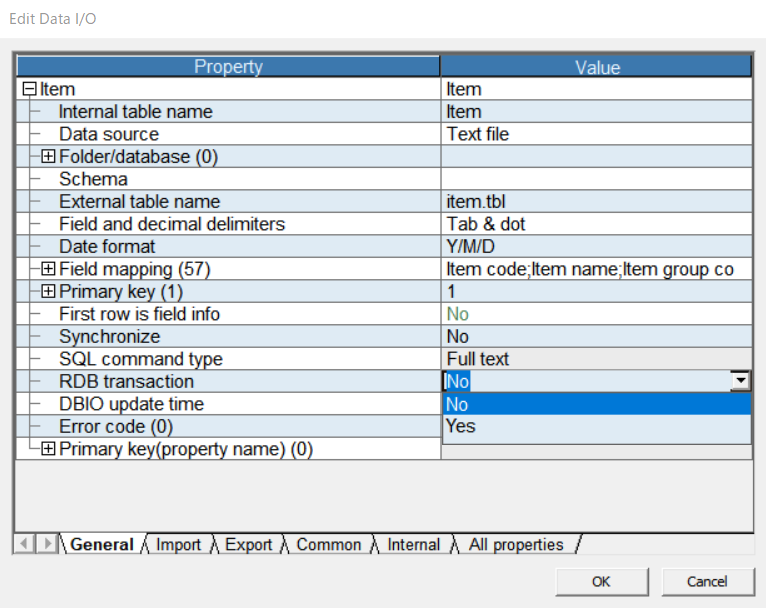
Select "No" from the RDB transaction combo box and close the dialog.
Data driver setting
-
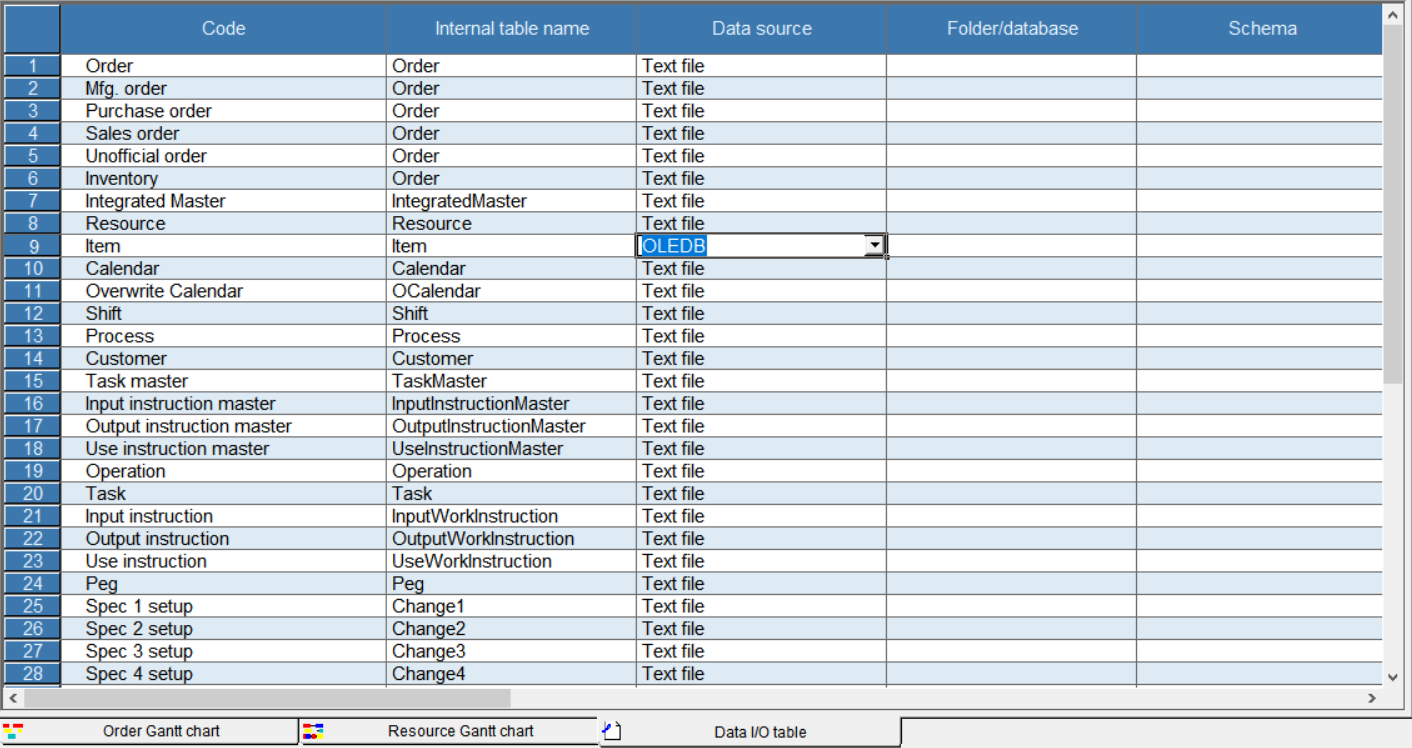
Select "OLE DB" from combo box in "Data source" column.
-
Click button in Folder/database column and open the Data Link Property dialog. Select "Microsoft OLE DB Provider for ODBC Drivers" from the list of data provider.
-
Select the Connection tab. Check "Use data source name" and select "CData Dynamics CRM Source" from DSN combo box.
-
Click the Test Connection button and make sure you see the message "Connection successful".
Schema setting
-
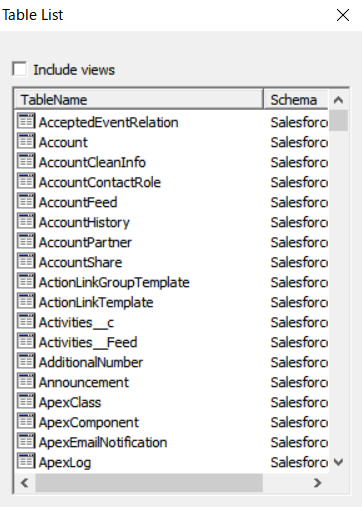
Click the button in "External table name" column and open the Table List dialog. Make sure tables in Dynamics CRM are listed in the dialog.
-
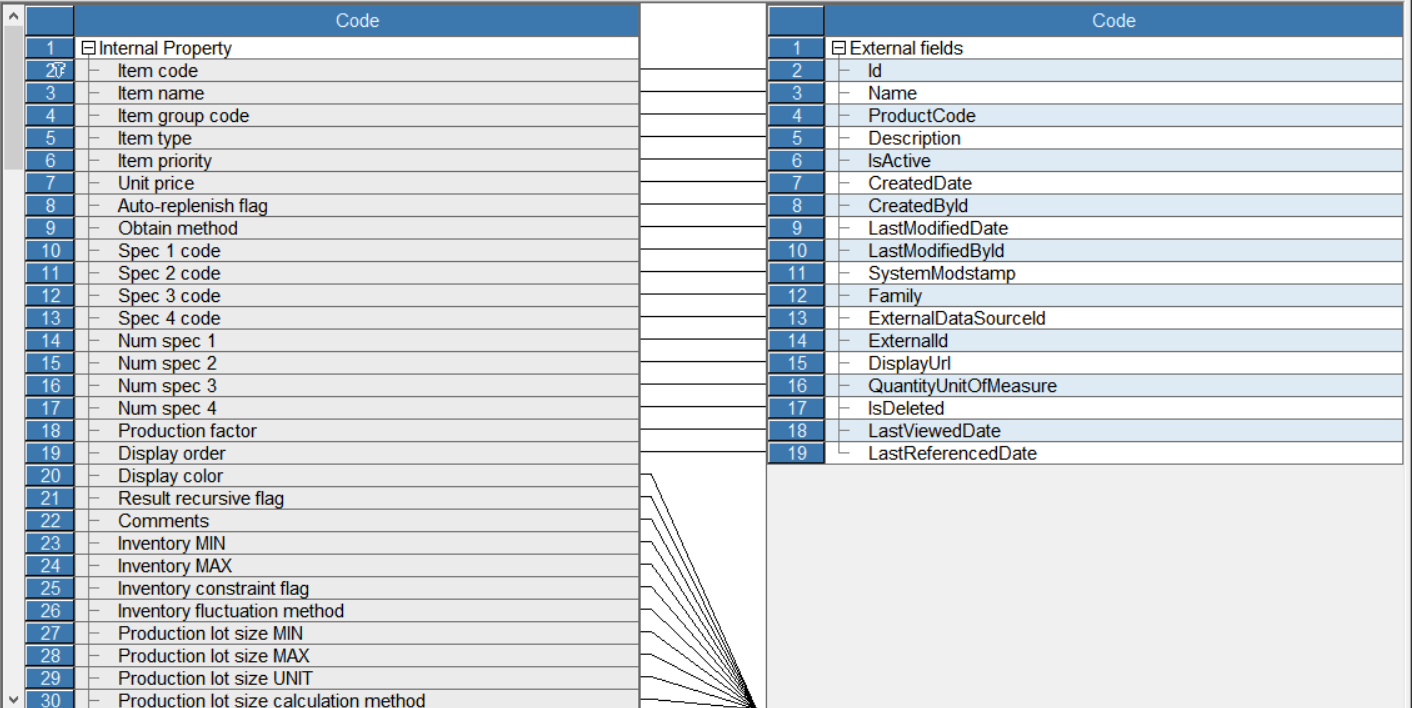
Click the button in "Field mapping" column and open the Item-Field Mapping dialog.
-
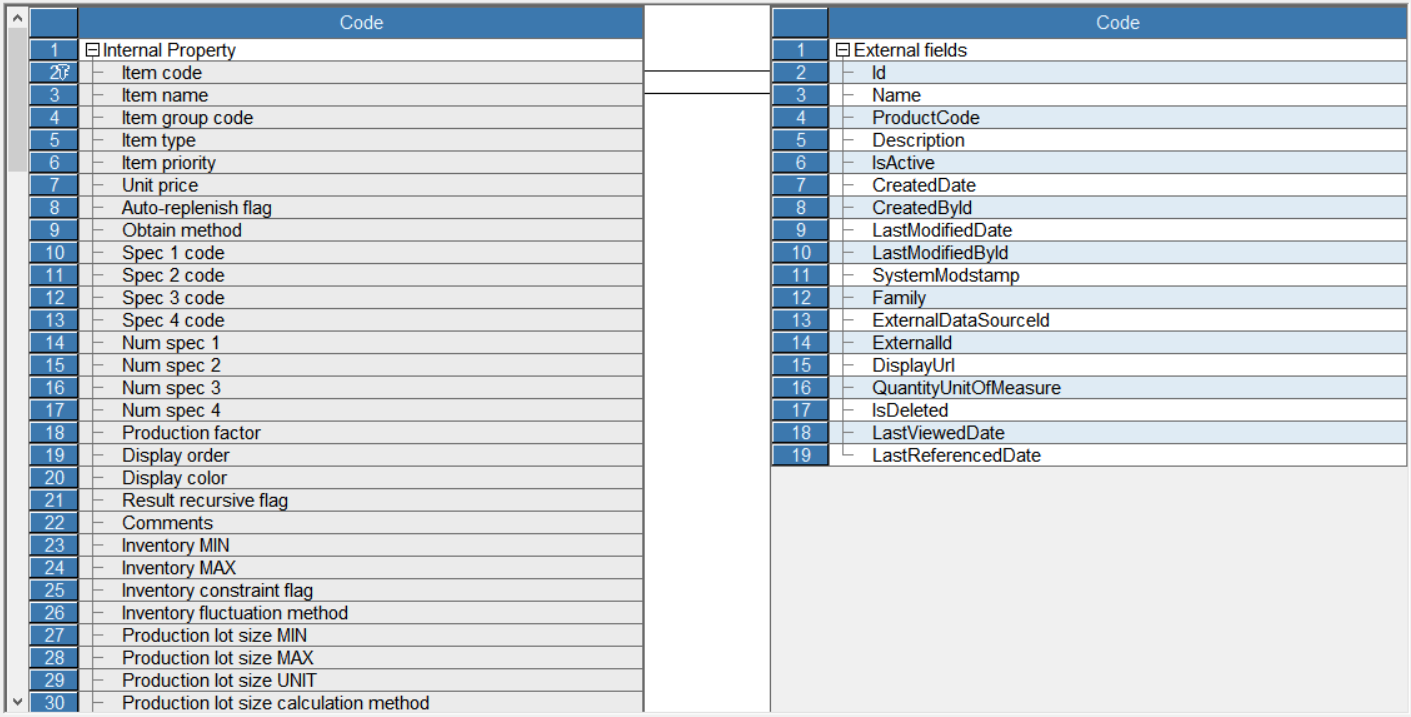
Open the context menu in the space between tables and click Delete All. Link corresponding fields by dragging mouse.
-
Click File > Import and data will be imported into Asprova.
Check data
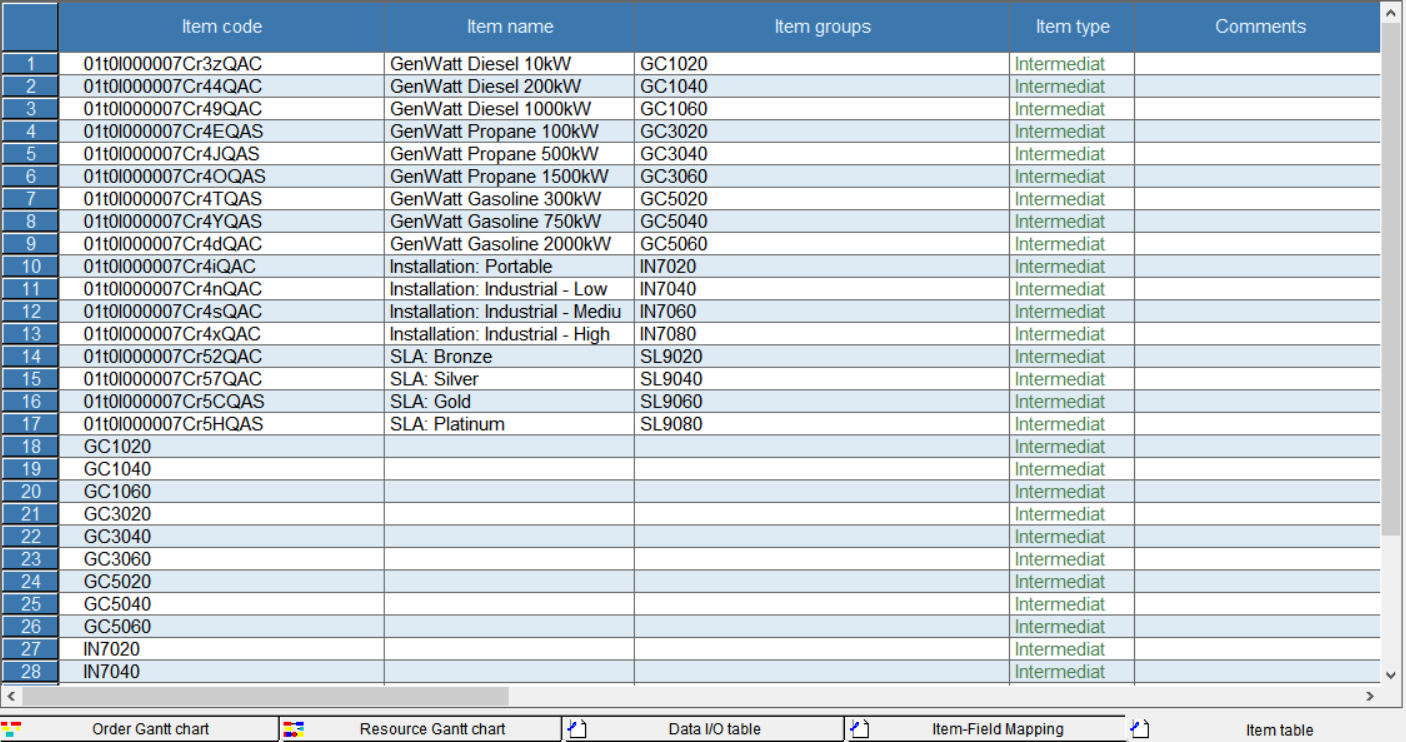
Click Table View > Item. Be sure you can see the item data stored in Dynamics CRM.
Ready to get started?
Download a free trial of the Dynamics CRM ODBC Driver to get started:
Download NowLearn more:
 Dynamics CRM ODBC Driver
The Dynamics CRM ODBC Driver is a powerful tool that allows you to connect with live Dynamics CRM (OnPremise & Online) account data, directly from any applications that support ODBC connectivity.
Access Dynamics CRM data like you would a database - read, write, and update Leads, Contacts, Opportunities, Accounts, etc. through a standard ODBC Driver interface.
