Model Context Protocol (MCP) finally gives AI models a way to access the business data needed to make them really useful at work. CData MCP Servers have the depth and performance to make sure AI has access to all of the answers.
Try them now for free →


Query Google Spanner Data as a SQL Server Database in Node.js
Execute SQL Server queries against Google Spanner data from Node.js.
You can use CData Connect Cloud to query Google Spanner data through a SQL Server interface. Follow the procedure below to create a virtual database for Google Spanner in Connect Cloud and start querying using Node.js.
CData Connect Cloud provides a pure MySQL, cloud-to-cloud interface for Google Spanner, allowing you to easily query live Google Spanner data in Node.js — without replicating the data to a natively supported database. As you query data in Node.js, CData Connect Cloud pushes all supported SQL operations (filters, JOINs, etc) directly to Google Spanner, leveraging server-side processing to quickly return Google Spanner data.
Configure Google Spanner Connectivity for NodeJS
Connectivity to Google Spanner from NodeJS is made possible through CData Connect Cloud. To work with Google Spanner data from NodeJS, we start by creating and configuring a Google Spanner connection.
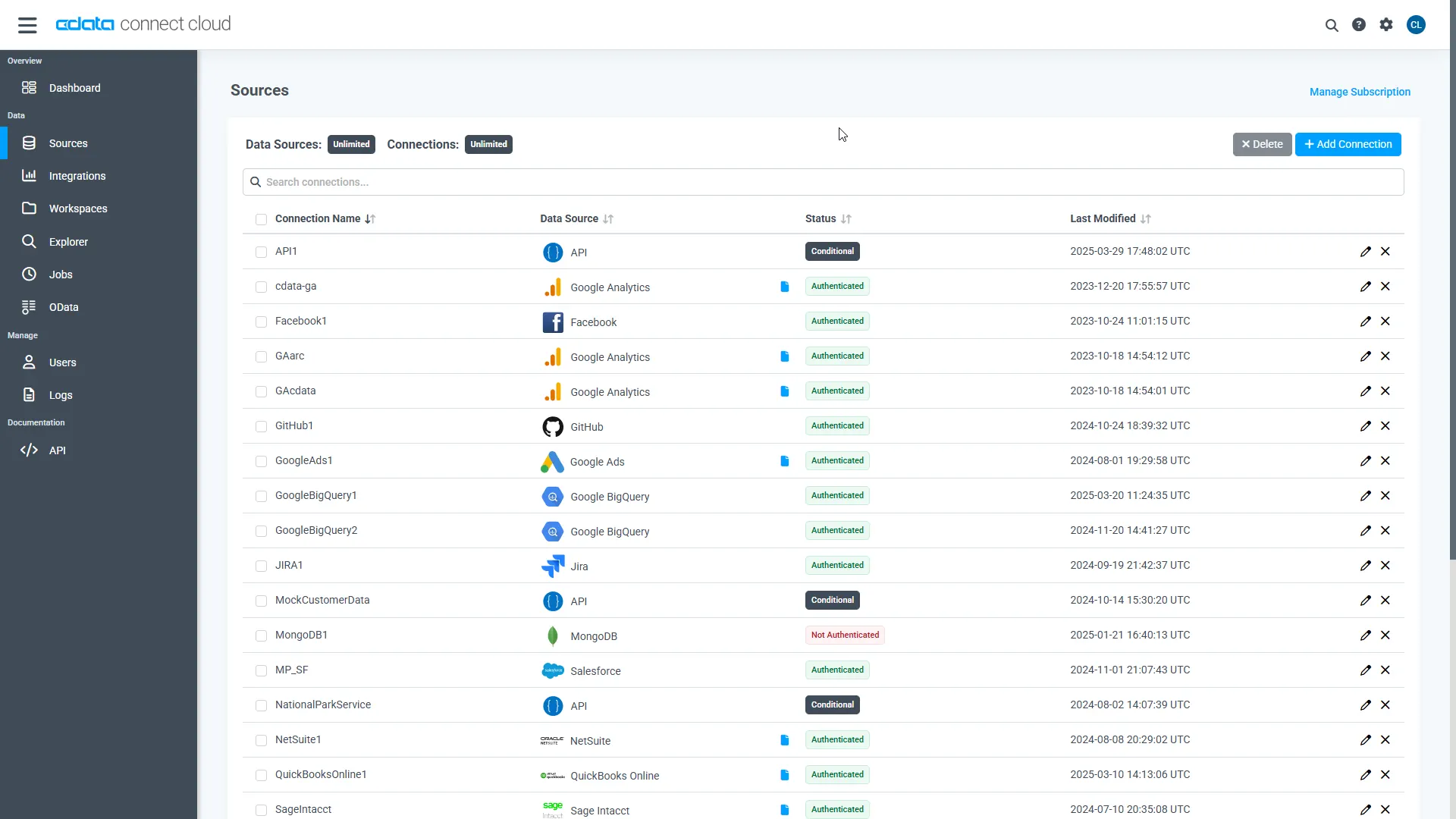
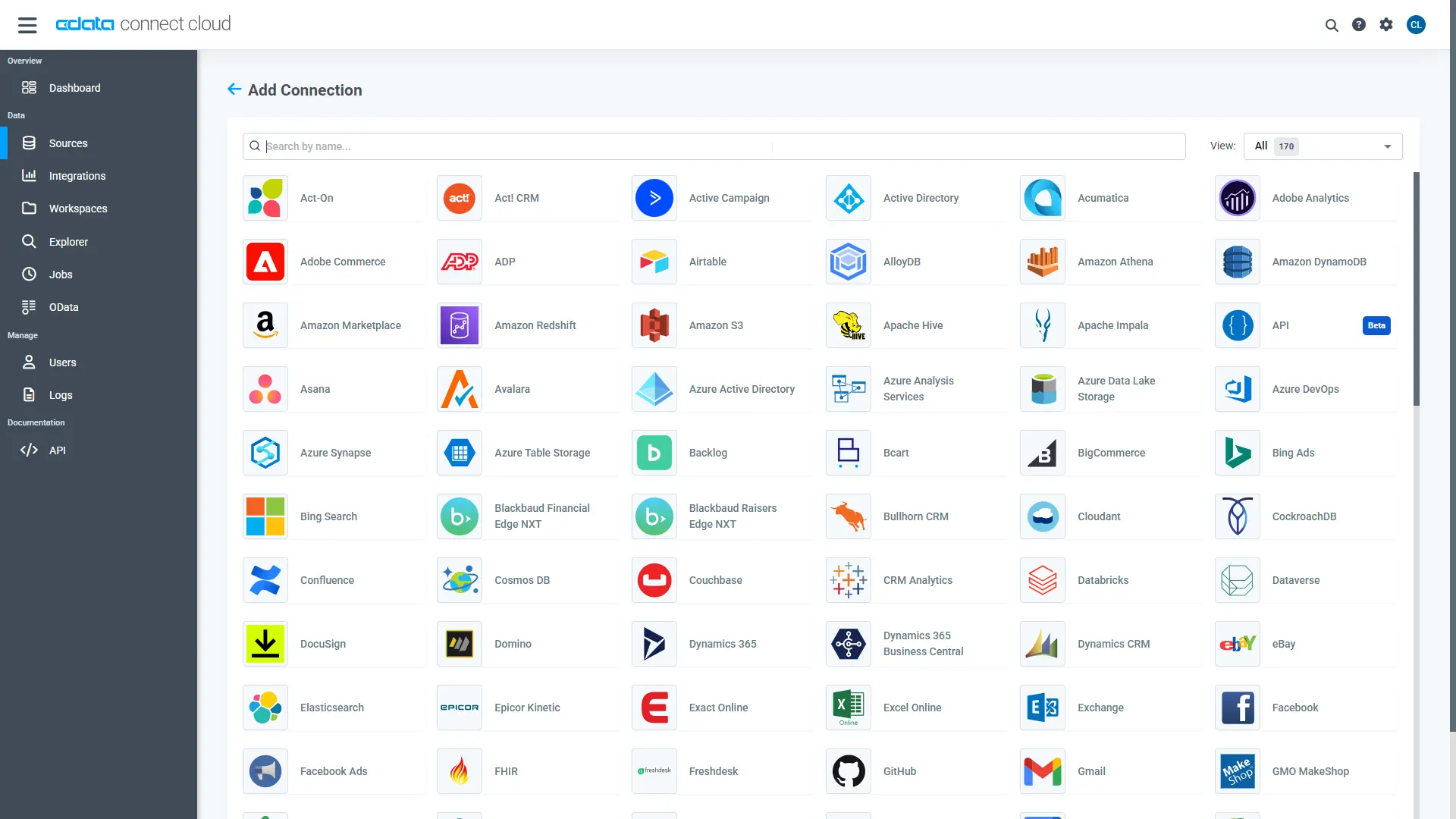
- Log into Connect Cloud, click Sources, and then click Add Connection
- Select "Google Spanner" from the Add Connection panel
-
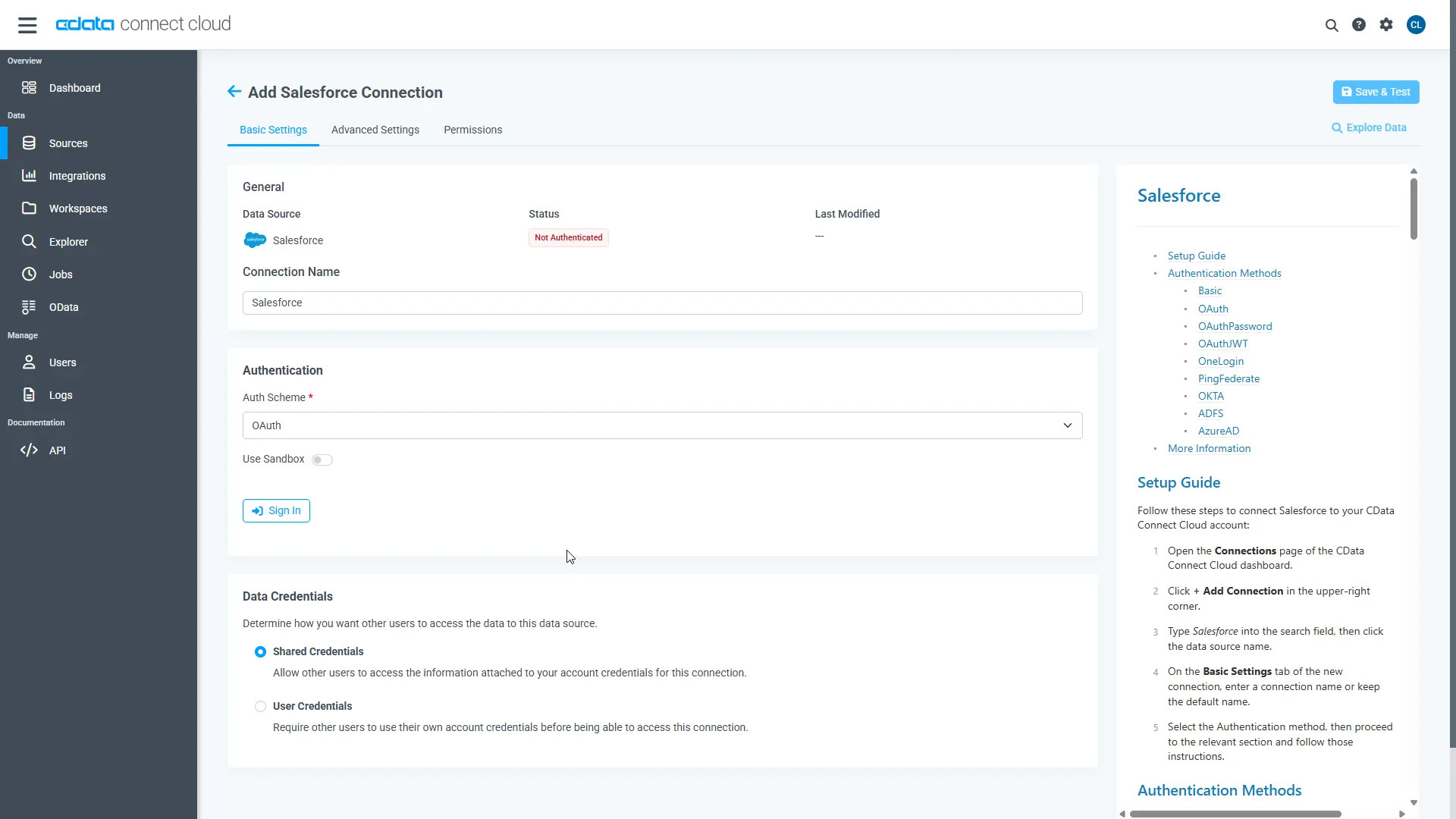
Google Spanner uses OAuth to authenticate. Click "Sign in" to authenticate with Google Spanner.
-
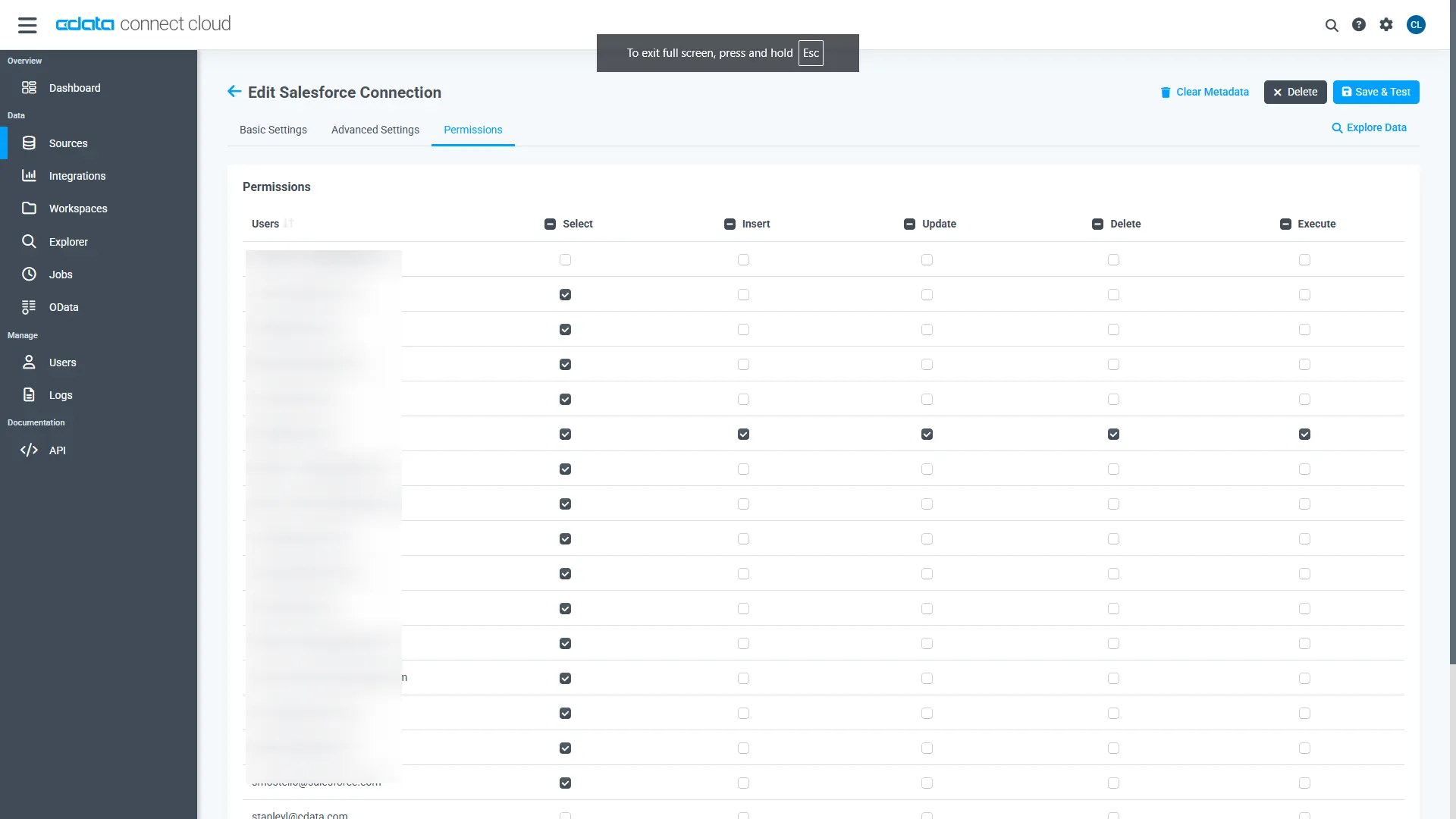
Navigate to the Permissions tab in the Add Google Spanner Connection page and update the User-based permissions.
Add a Personal Access Token
When connecting to Connect Cloud through the REST API, the OData API, or the Virtual SQL Server, a Personal Access Token (PAT) is used to authenticate the connection to Connect Cloud. It is best practice to create a separate PAT for each service to maintain granularity of access.
- Click on the Gear icon () at the top right of the Connect Cloud app to open the settings page.
- On the Settings page, go to the Access Tokens section and click Create PAT.
-
Give the PAT a name and click Create.
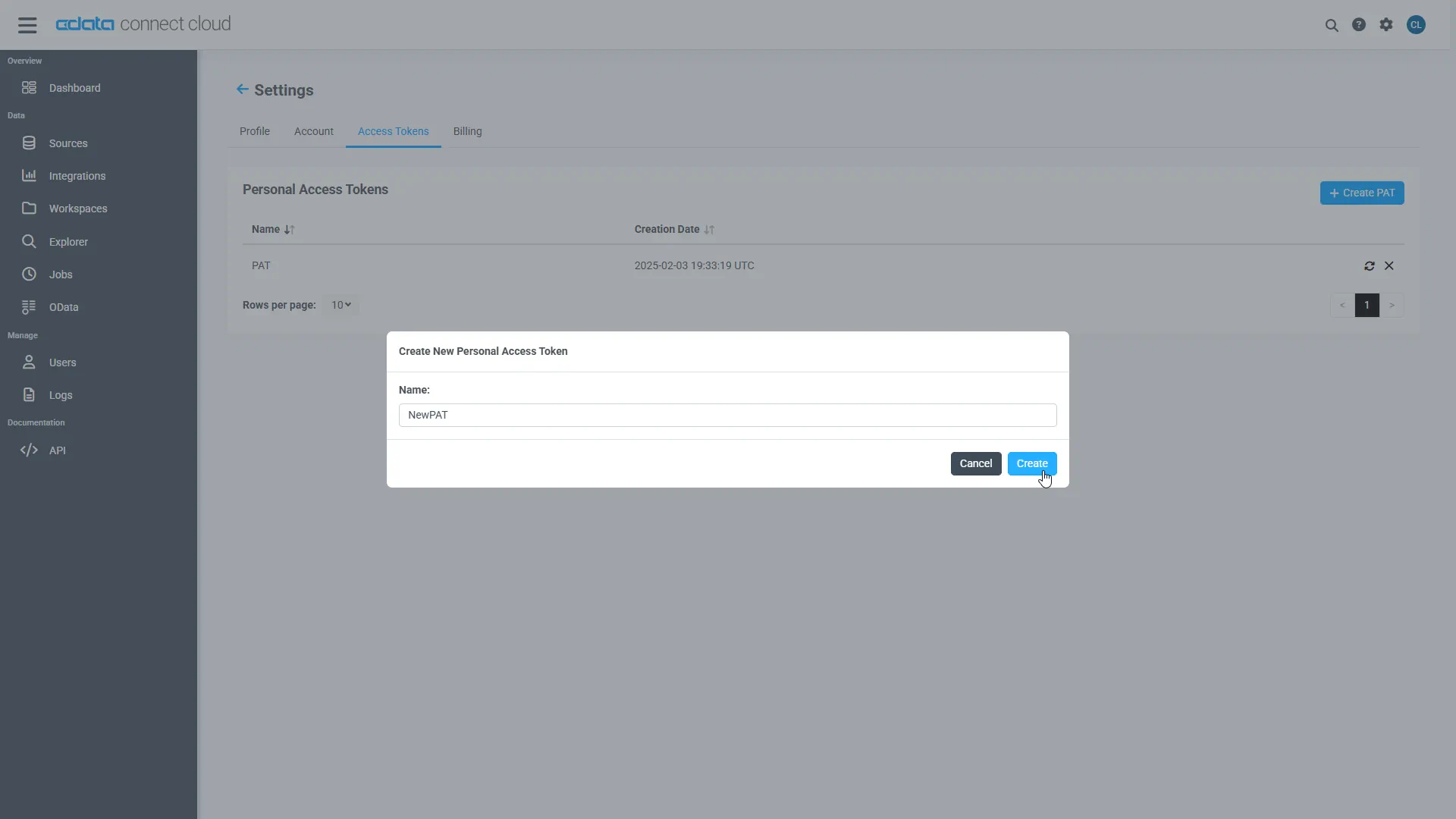
- The personal access token is only visible at creation, so be sure to copy it and store it securely for future use.
With the connection configured and a PAT generated, you are ready to connect to Google Spanner data from Node.js.
Query Google Spanner from Node.js
The following example shows how to define a connection and execute queries to Google Spanner with the SQL Server module. You will need the following information:
- server: tds.cdata.com
- port: 14333
- user: a Connect Cloud user (e.g. [email protected])
- password: the PAT for the above user
- database: The connection you configured for Google Spanner (GoogleSpanner1)
Connect to Google Spanner data and start executing queries with the code below:
var sql = require('mssql')
var config = {
	server: 'tds.cdata.com',
	port: 14333,
	user: '[email protected]', //update me
	password: 'CONNECT_USER_PAT', //update me
	options: {
		encrypt: true,
		database: 'GoogleSpanner1'
	}
}

sql.connect(config, err => {
    if(err){
        throw err ;
    }
    new sql.Request().query('SELECT * FROM Customer', (err, result) => {
        console.dir(result)
    })

});

sql.on('error', err => {
    console.log("SQL Error: " ,err);
})
