
Model Context Protocol (MCP) finally gives AI models a way to access the business data needed to make them really useful at work. CData MCP Servers have the depth and performance to make sure AI has access to all of the answers.
Try them now for free →


Extend Google Sheets with Paylocity Data
Make calls to the API Server from Google Apps Script.
Interact with Paylocity data from Google Sheets through macros, custom functions, and add-ons. The CData API Server enables connectivity to Paylocity data from cloud-based and mobile applications like Google Sheets. The API Server is a lightweight Web application that produces OData services for Paylocity.
Google Apps Script can consume these OData services in the JSON format. This article shows how to create a simple add-on that populates a Google Spreadsheet with Employee data and, as you make changes, executes updates to Paylocity data.
Set Up the API Server
If you have not already done so, download the CData API Server. Once you have installed the API Server, follow the steps below to begin producing secure Paylocity OData services:
Connect to Paylocity
To work with Paylocity data from Google Sheets, we start by creating and configuring a Paylocity connection. Follow the steps below to configure the API Server to connect to Paylocity data:
- First, navigate to the Connections page.
-
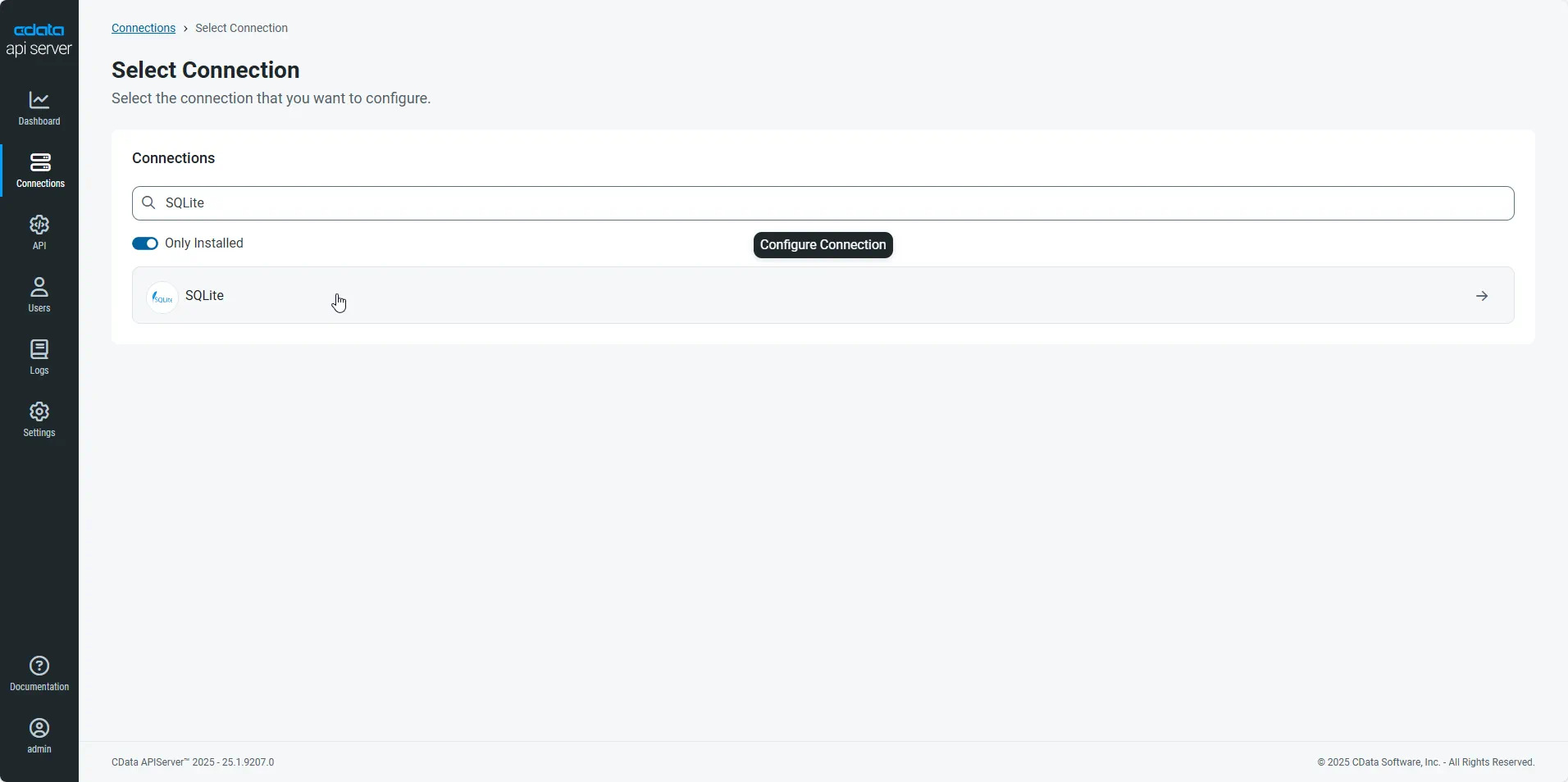
Click Add Connection and then search for and select the Paylocity connection.
-
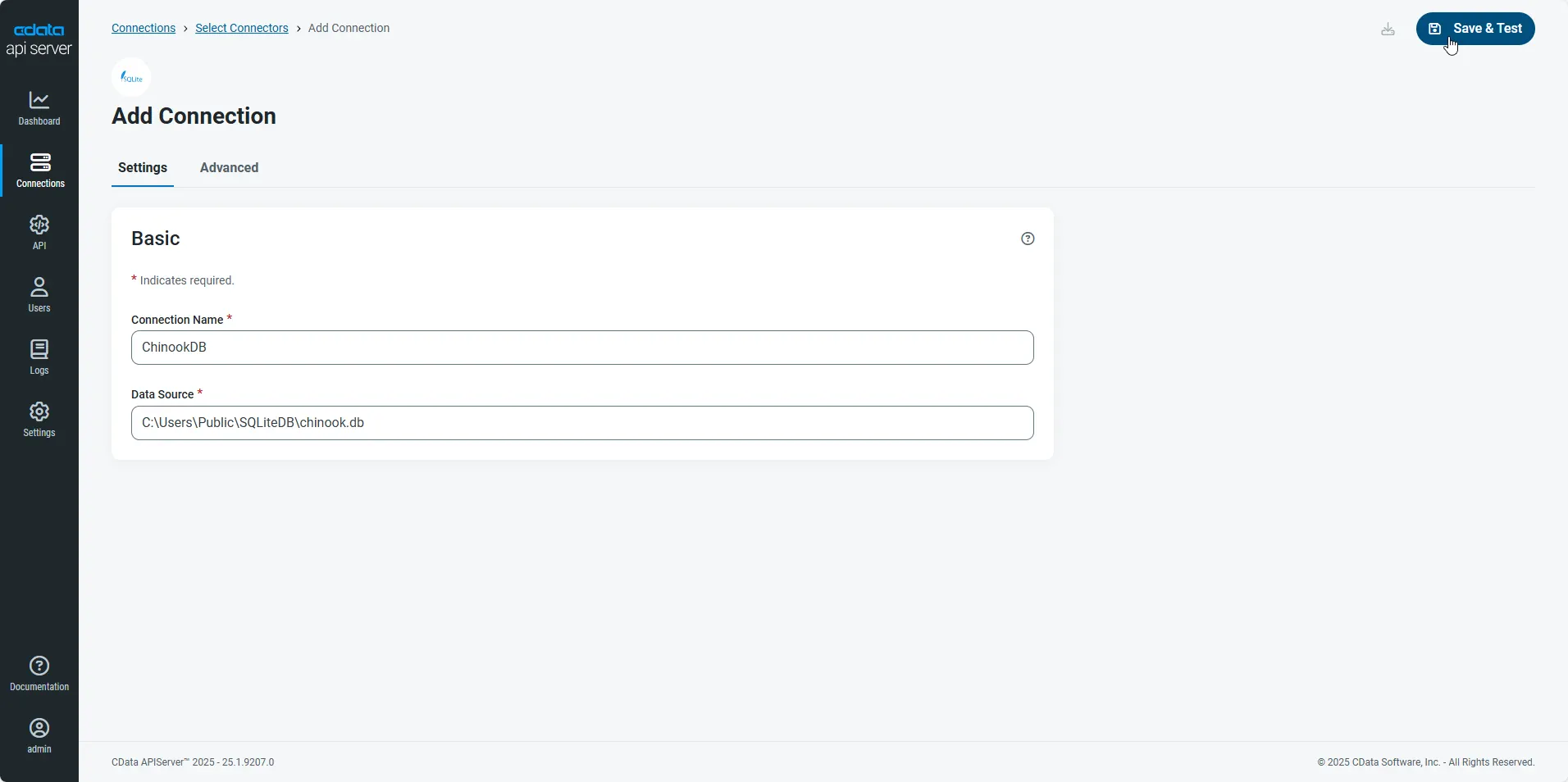
Enter the necessary authentication properties to connect to Paylocity.
Set the following to establish a connection to Paylocity:
- RSAPublicKey: Set this to the RSA Key associated with your Paylocity, if the RSA Encryption is enabled in the Paylocity account.
This property is required for executing Insert and Update statements, and it is not required if the feature is disabled.
- UseSandbox: Set to true if you are using sandbox account.
- CustomFieldsCategory: Set this to the Customfields category. This is required when IncludeCustomFields is set to true. The default value for this property is PayrollAndHR.
- Key: The AES symmetric key(base 64 encoded) encrypted with the Paylocity Public Key. It is the key used to encrypt the content.
Paylocity will decrypt the AES key using RSA decryption.
It is an optional property if the IV value not provided, The driver will generate a key internally. - IV: The AES IV (base 64 encoded) used when encrypting the content. It is an optional property if the Key value not provided, The driver will generate an IV internally.
Connect Using OAuth Authentication
You must use OAuth to authenticate with Paylocity. OAuth requires the authenticating user to interact with Paylocity using the browser. For more information, refer to the OAuth section in the Help documentation.
The Pay Entry API
The Pay Entry API is completely separate from the rest of the Paylocity API. It uses a separate Client ID and Secret, and must be explicitly requested from Paylocity for access to be granted for an account. The Pay Entry API allows you to automatically submit payroll information for individual employees, and little else. Due to the extremely limited nature of what is offered by the Pay Entry API, we have elected not to give it a separate schema, but it may be enabled via the UsePayEntryAPI connection property.
Please be aware that when setting UsePayEntryAPI to true, you may only use the CreatePayEntryImportBatch & MergePayEntryImportBatchgtable stored procedures, the InputTimeEntry table, and the OAuth stored procedures. Attempts to use other features of the product will result in an error. You must also store your OAuthAccessToken separately, which often means setting a different OAuthSettingsLocation when using this connection property.
- RSAPublicKey: Set this to the RSA Key associated with your Paylocity, if the RSA Encryption is enabled in the Paylocity account.
- After configuring the connection, click Save & Test to confirm a successful connection.
Configure API Server Users
Next, create a user to access your Paylocity data through the API Server. You can add and configure users on the Users page. Follow the steps below to configure and create a user:
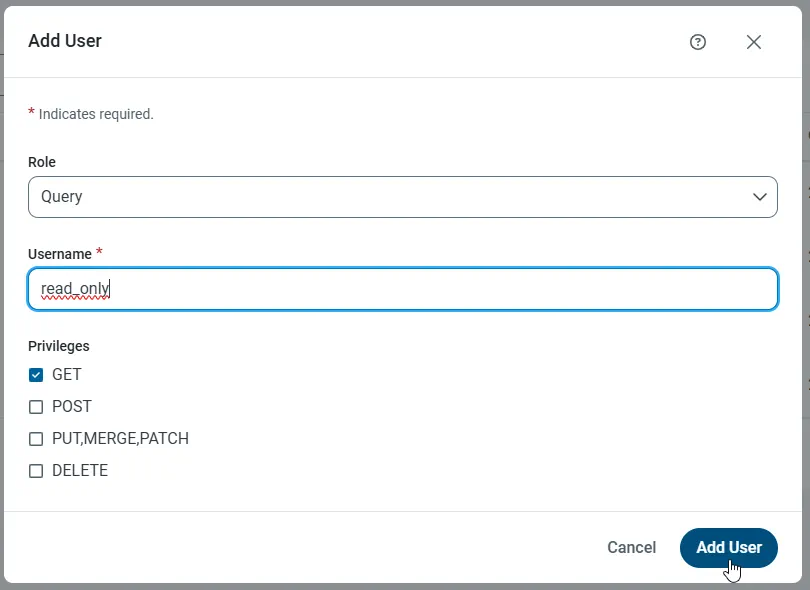
- On the Users page, click Add User to open the Add User dialog.
-
Next, set the Role, Username, and Privileges properties and then click Add User.
-
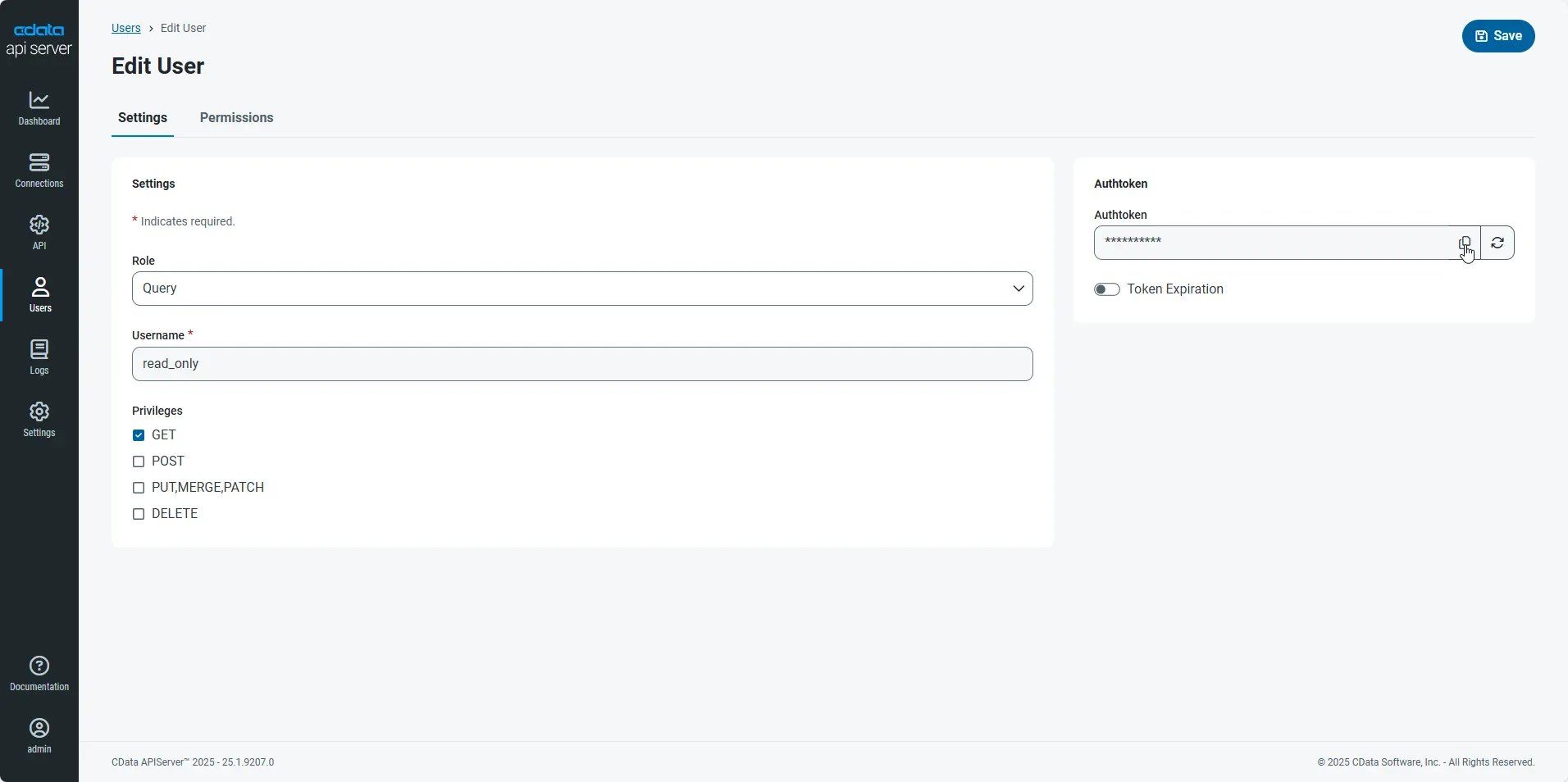
An Authtoken is then generated for the user. You can find the Authtoken and other information for each user on the Users page:
Creating API Endpoints for Paylocity
Having created a user, you are ready to create API endpoints for the Paylocity tables:
-
First, navigate to the API page and then click
Add Table
.
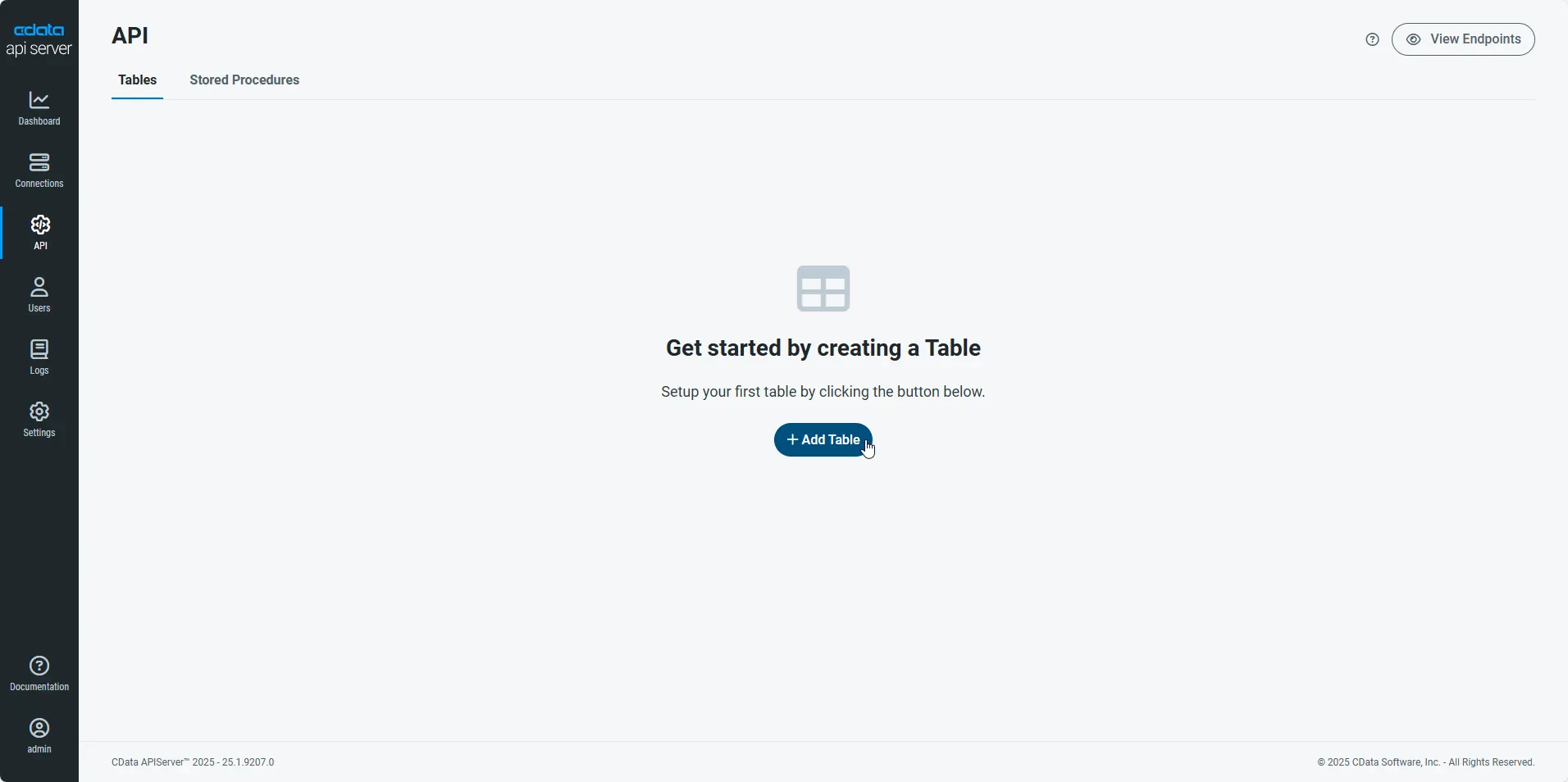
-
Select the connection you wish to access and click Next.
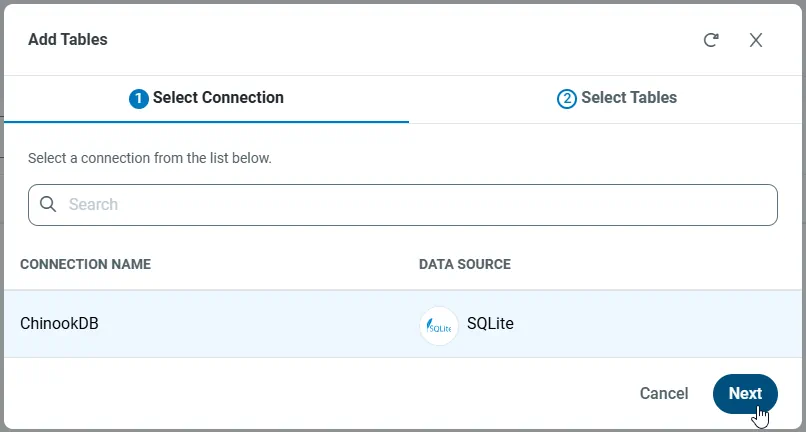
-
With the connection selected, create endpoints by selecting each table and then clicking Confirm.
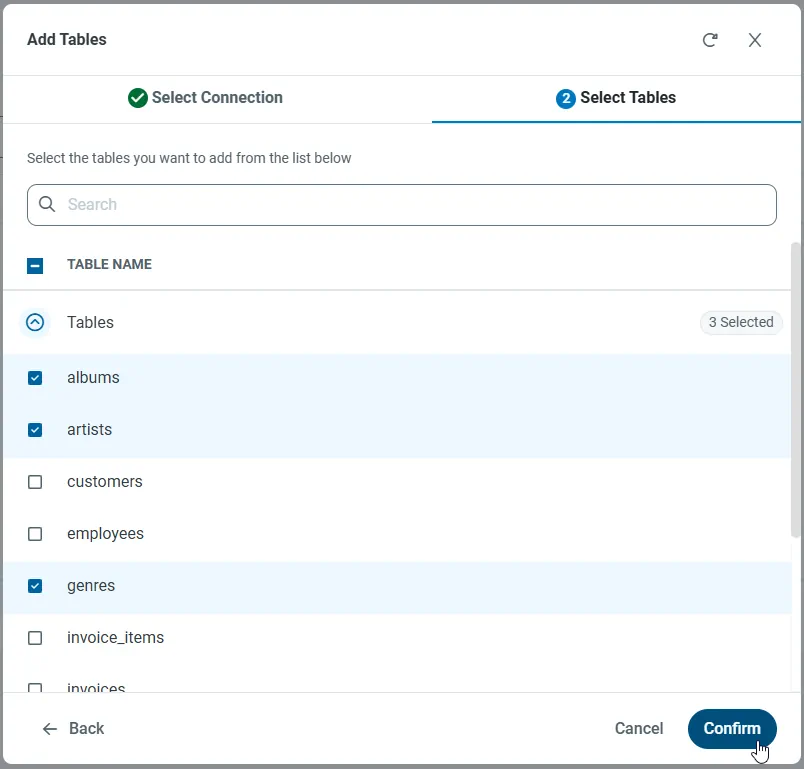
Gather the OData Url
Having configured a connection to Paylocity data, created a user, and added resources to the API Server, you now have an easily accessible REST API based on the OData protocol for those resources. From the API page in API Server, you can view and copy the API Endpoints for the API:
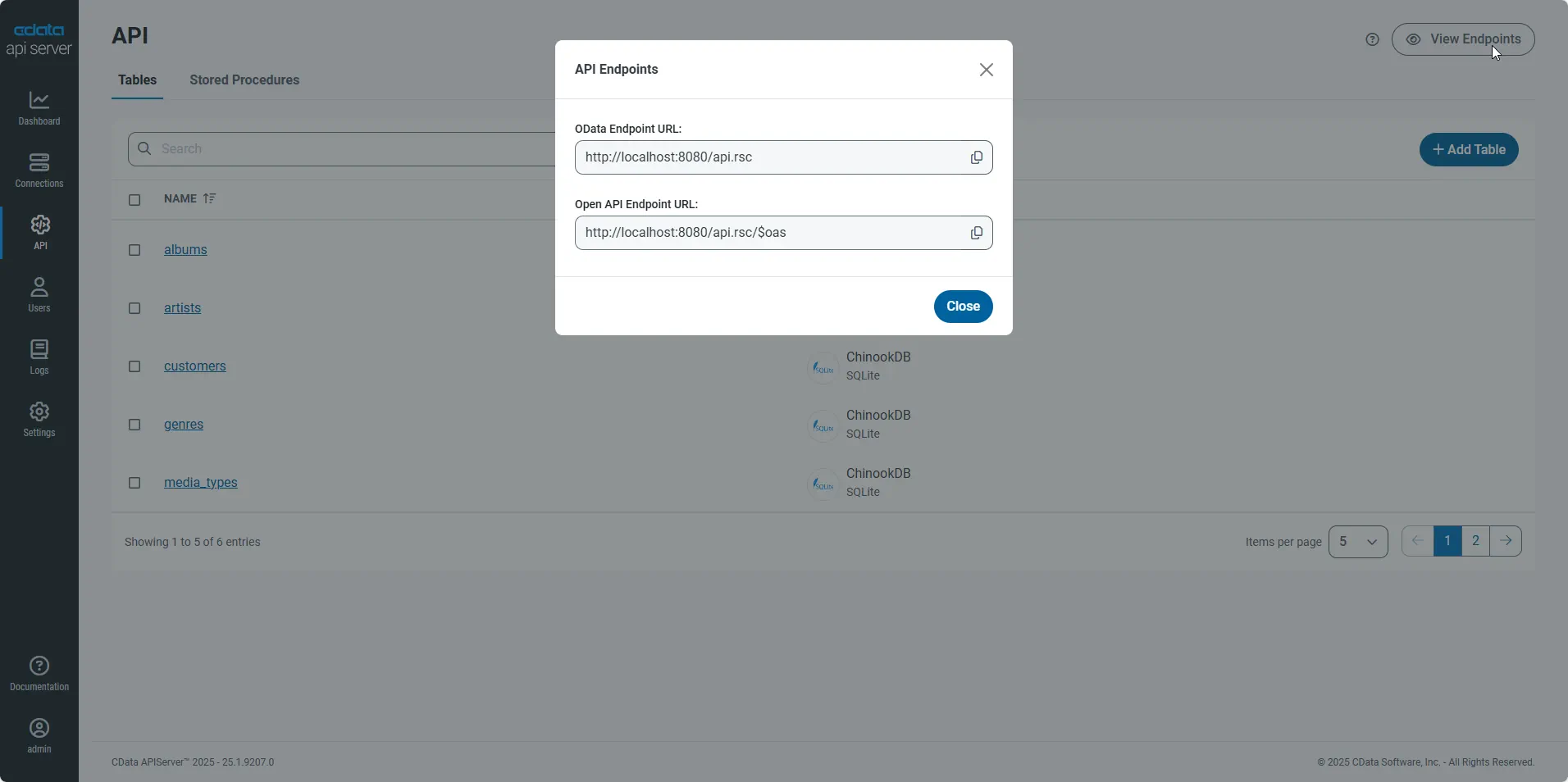
Retrieve Paylocity Data
Open the Script Editor from your spreadsheet by clicking Tools -> Script Editor. In the Script Editor, add the following function to populate a spreadsheet with the results of an OData query:
function retrieve(){
  var url = "https://MyUrl/api.rsc/Employee?select=Id,FirstName,LastName,EmployeeId";
  var response = UrlFetchApp.fetch(url,{
    headers: {"Authorization": "Basic " + Utilities.base64Encode("MyUser:MyAuthtoken")}
  });
  var json = response.getContentText();
  var sheet = SpreadsheetApp.getActiveSheet();
  var a1 = sheet.getRange('a1');
  var index=1;
  var employee = JSON.parse(json).value;

  var cols = [["Id","FirstName","LastName","EmployeeId"]];
  sheet.getRange(1,1,1,4).setValues(cols);

  row=2;
  for(var i in employee){
    for (var j in employee[i]) {
      switch (j) {
        case "Id":
          a1.offset(row,0).setValue(account[i][j]);
          break;
        case "FirstName":
          a1.offset(row,1).setValue(account[i][j]);
          break;
        case "LastName":
          a1.offset(row,2).setValue(account[i][j]);
          break;
        case "EmployeeId":
          a1.offset(row,3).setValue(account[i][j]);
          break;
      }
    }
    row++;
  }
}
Follow the steps below to add an installable trigger to populate the spreadsheet when opened:
- Click Resources -> Current Project's Triggers -> Add a New Trigger.
- Select retrieve in the Run menu.
- Select From Spreadsheet.
- Select On open.
After closing the dialog, you are prompted to allow access to the application.
Post Changes to Paylocity Data
Add the following function to post changes to cells back to the API Server:
function buildReq(e){
  var sheet = SpreadsheetApp.getActiveSheet();
  var changes = e.range;
  var id = sheet.getRange(changes.getRow(),1).getValue();
  var col = sheet.getRange(1,changes.getColumn()).getValue();

  var url = "http://MyServer/api.rsc/Employee("+id+")";
  var putdata = "{\"@odata.type\" : \"CDataAPI.Employee\",  \""+col+"\": \""+changes.getValue()+"\"}";;
  UrlFetchApp.fetch(url,{
    method: "put",
    contentType: "application/json",
    payload: putdata,
    headers: {"Authorization": "Basic " + Utilities.base64Encode("MyUser:MyAuthtoken")}
  });

}
Follow the steps below to add the update trigger:
- Click Resources -> Current Project's Triggers.
- Select buildReq in the Run menu.
- Select From Spreadsheet.
- Select On edit.
You can test the script by clicking Publish -> Test as Add-On. Select the version, installation type, and spreadsheet to create a test configuration. You can then select and run the test configuration.
As you make changes to cells, the API Server executes updates to Paylocity data.
