Model Context Protocol (MCP) finally gives AI models a way to access the business data needed to make them really useful at work. CData MCP Servers have the depth and performance to make sure AI has access to all of the answers.
Try them now for free →


Consume SharePoint OData Feeds in SAP Lumira
Use the API Server to create data visualizations on SharePoint feeds that reflect any changes in SAP Lumira.
You can use the CData API Server to create data visualizations based on SharePoint data in SAP Lumira. The API Server enables connectivity to live data: dashboards and reports can be refreshed on demand. This article shows how to create a chart that is always up to date.
About SharePoint Data Integration
Accessing and integrating live data from SharePoint has never been easier with CData. Customers rely on CData connectivity to:
- Access data from a wide range of SharePoint versions, including Windows SharePoint Services 3.0, Microsoft Office SharePoint Server 2007 and above, and SharePoint Online.
- Access all of SharePoint thanks to support for Hidden and Lookup columns.
- Recursively scan folders to create a relational model of all SharePoint data.
- Use SQL stored procedures to upload and download documents and attachments.
Most customers rely on CData solutions to integrate SharePoint data into their database or data warehouse, while others integrate their SharePoint data with preferred data tools, like Power BI, Tableau, or Excel.
For more information on how customers are solving problems with CData's SharePoint solutions, refer to our blog: Drivers in Focus: Collaboration Tools.
Getting Started
Set Up the API Server
If you have not already done so, download the CData API Server. Once you have installed the API Server, follow the steps below to begin producing secure SharePoint OData services:
Connect to SharePoint
To work with SharePoint data from SAP Lumira, we start by creating and configuring a SharePoint connection. Follow the steps below to configure the API Server to connect to SharePoint data:
- First, navigate to the Connections page.
-
Click Add Connection and then search for and select the SharePoint connection.
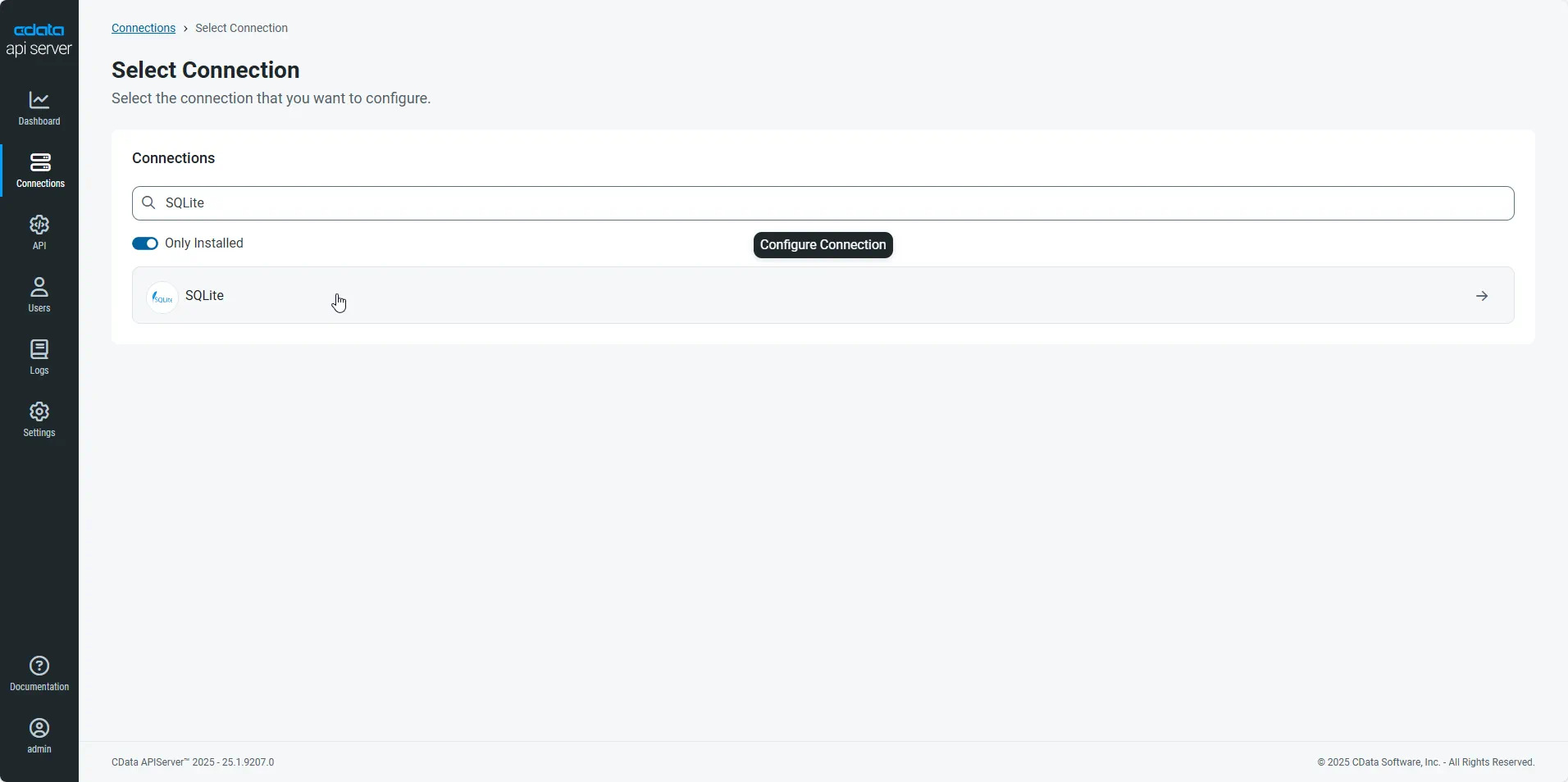
-
Enter the necessary authentication properties to connect to SharePoint.
Set the URL property to the base SharePoint site or to a sub-site. This allows you to query any lists and other SharePoint entities defined for the site or sub-site.
The User and Password properties, under the Authentication section, must be set to valid SharePoint user credentials when using SharePoint On-Premise.
If you are connecting to SharePoint Online, set the SharePointEdition to SHAREPOINTONLINE along with the User and Password connection string properties. For more details on connecting to SharePoint Online, see the "Getting Started" chapter of the help documentation
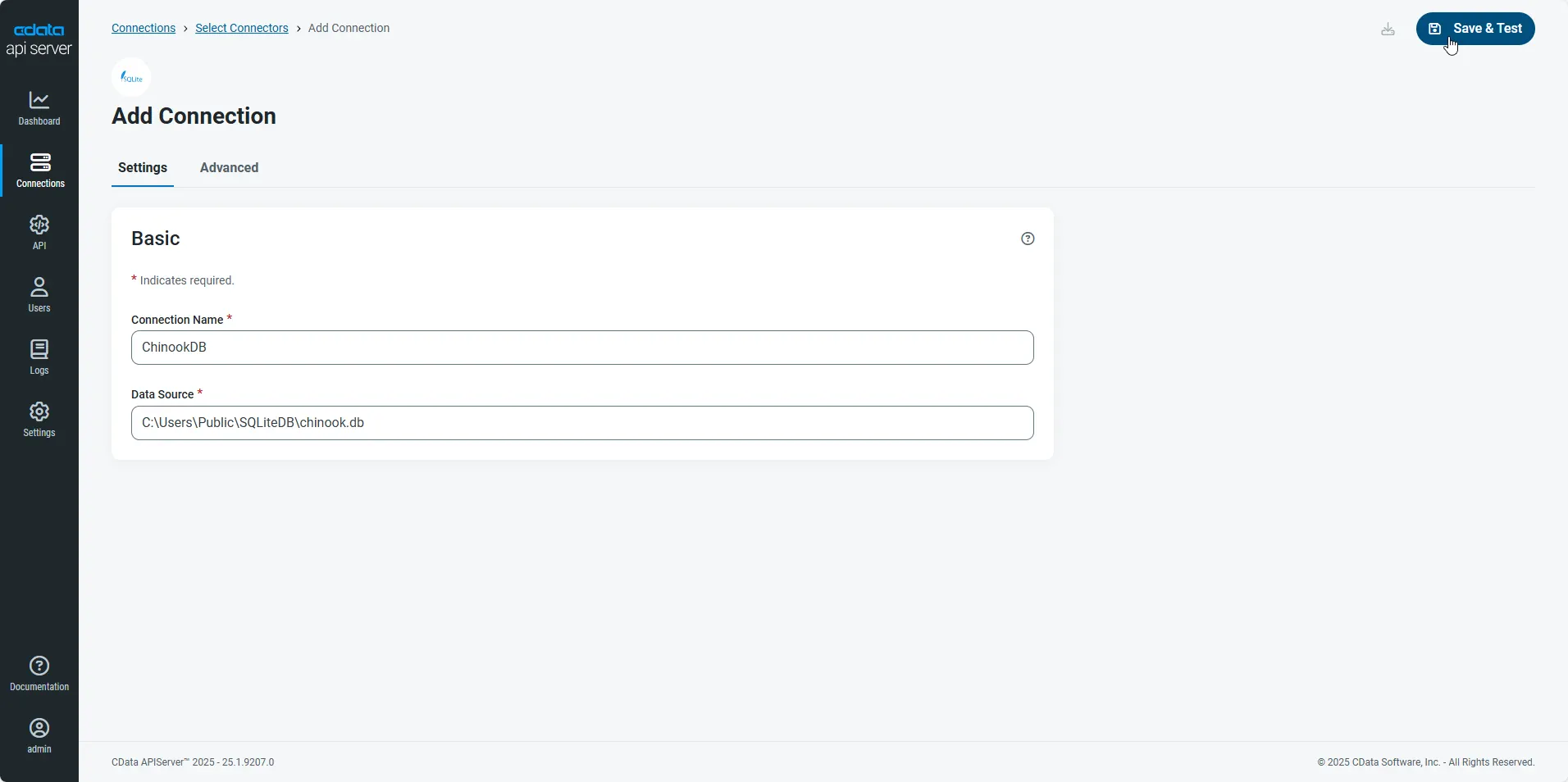
- After configuring the connection, click Save & Test to confirm a successful connection.
Configure API Server Users
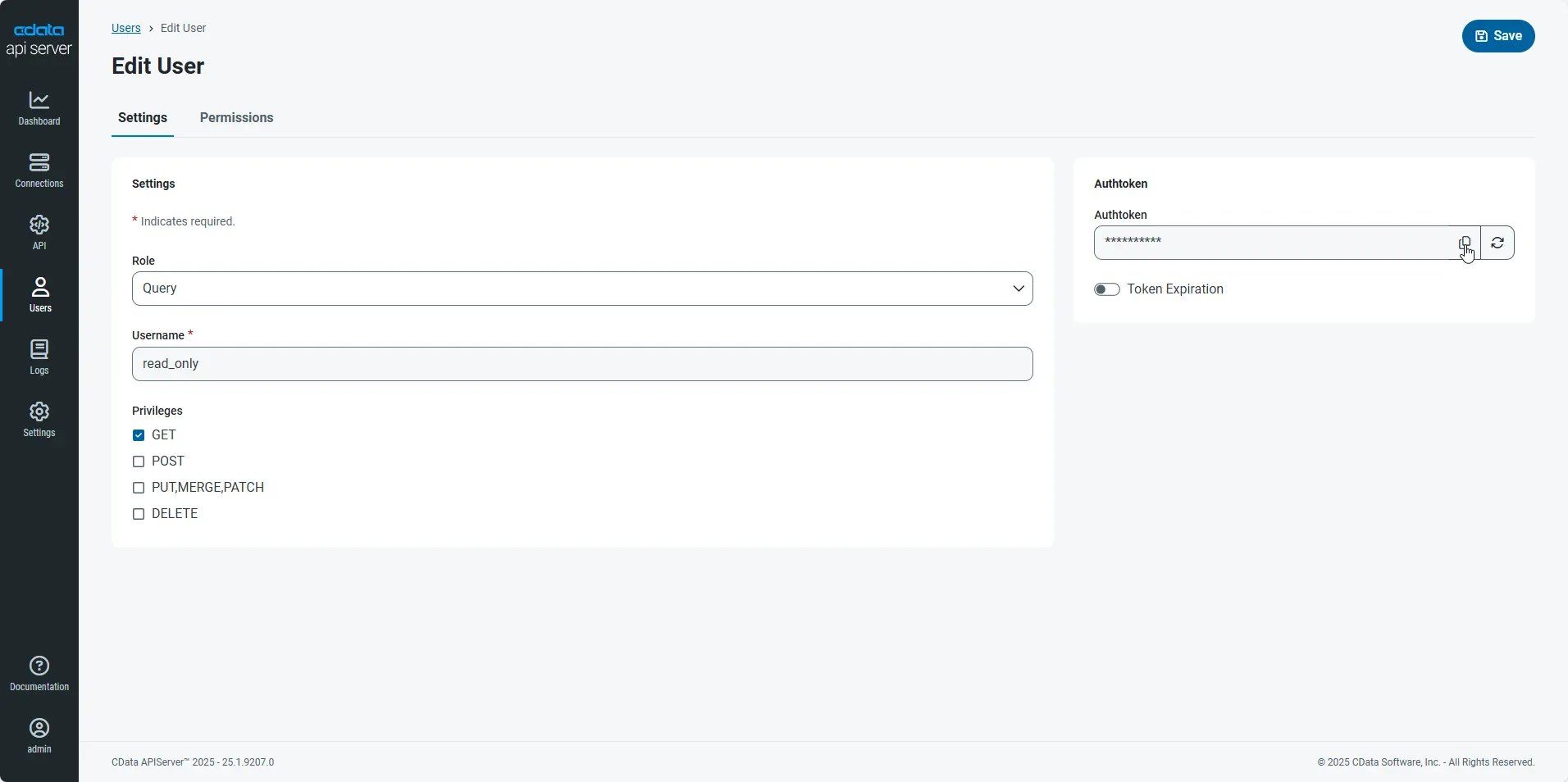
Next, create a user to access your SharePoint data through the API Server. You can add and configure users on the Users page. Follow the steps below to configure and create a user:
- On the Users page, click Add User to open the Add User dialog.
-
Next, set the Role, Username, and Privileges properties and then click Add User.
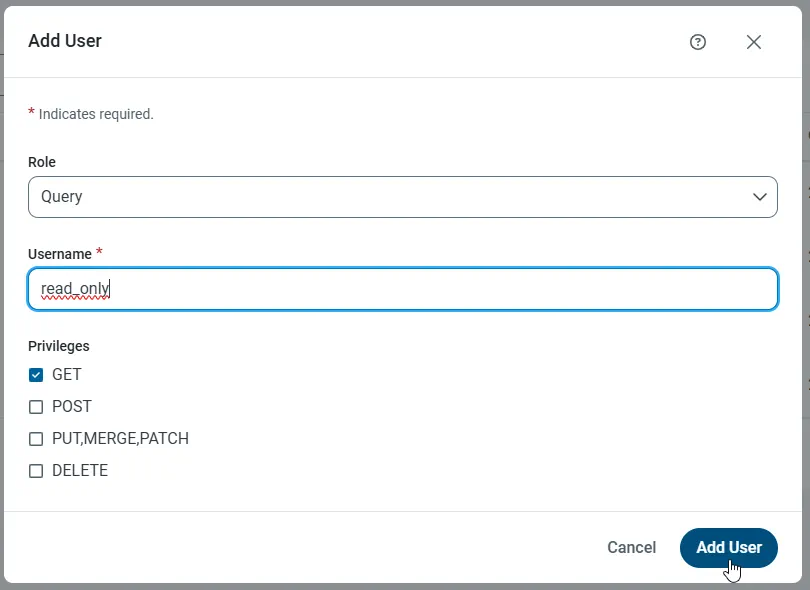
-
An Authtoken is then generated for the user. You can find the Authtoken and other information for each user on the Users page:
Creating API Endpoints for SharePoint
Having created a user, you are ready to create API endpoints for the SharePoint tables:
-
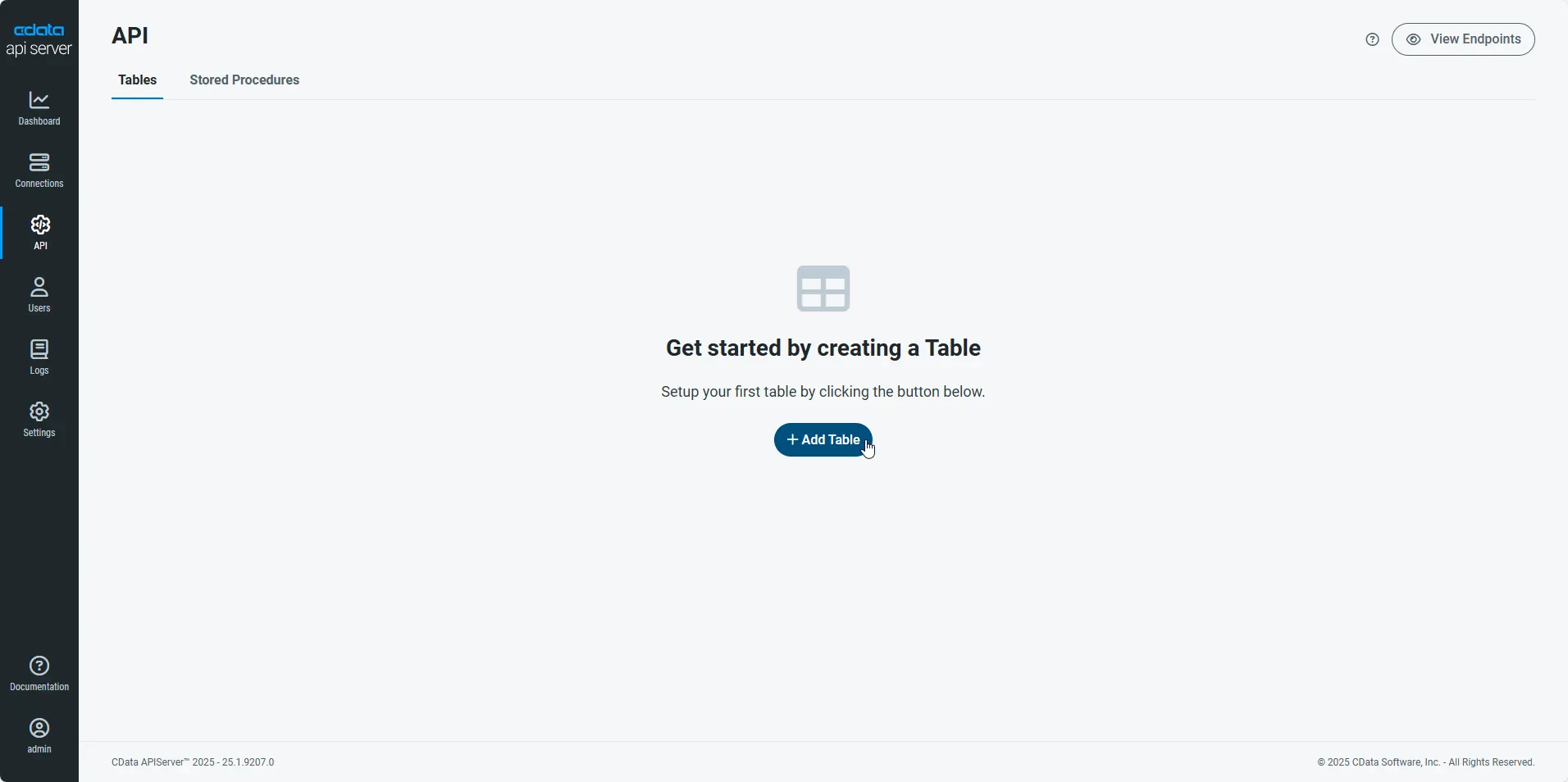
First, navigate to the API page and then click
Add Table
.
-
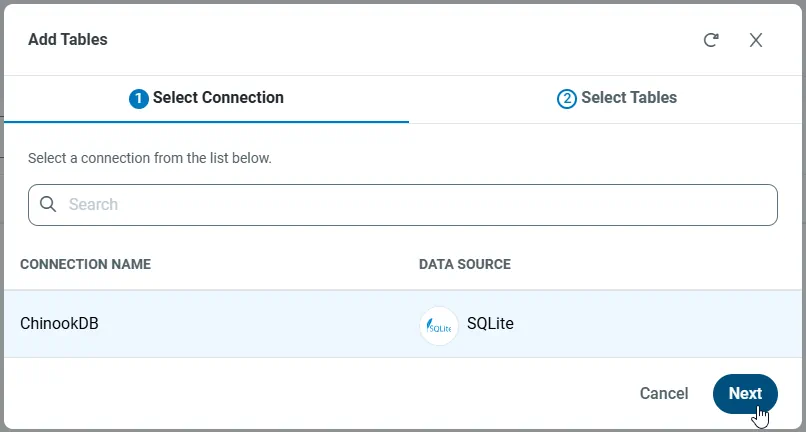
Select the connection you wish to access and click Next.
-
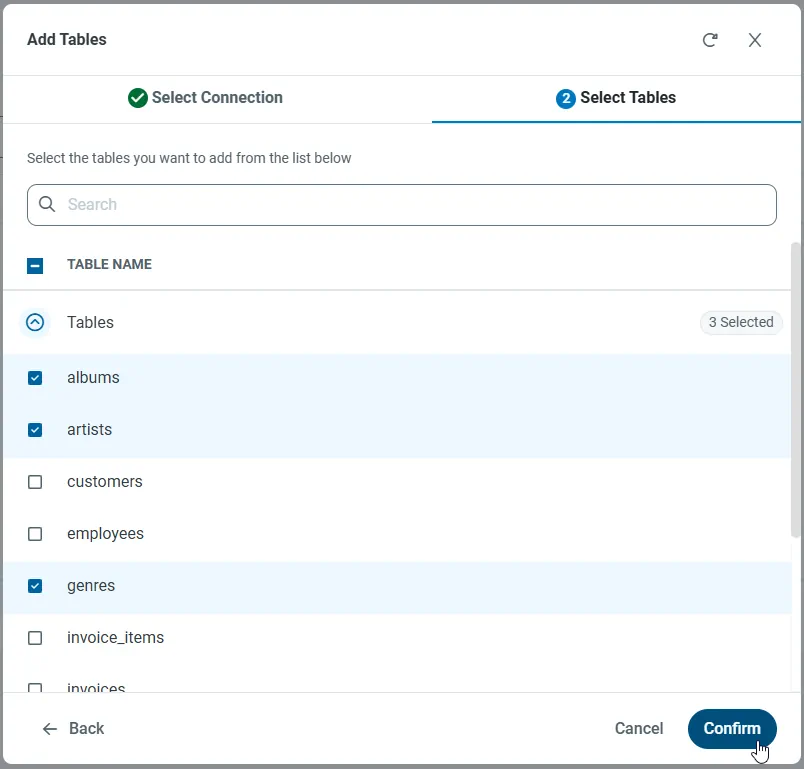
With the connection selected, create endpoints by selecting each table and then clicking Confirm.
Gather the OData Url
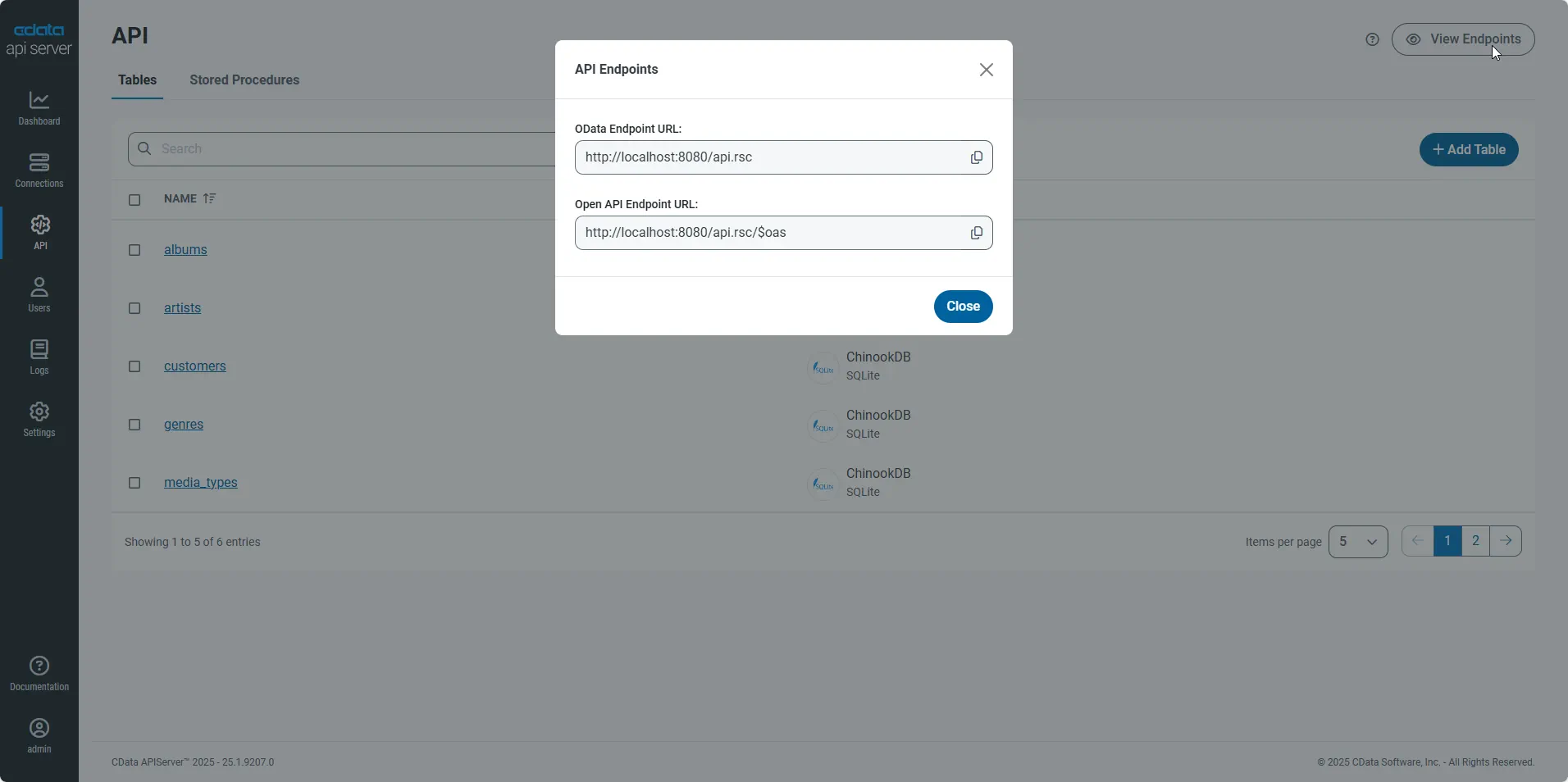
Having configured a connection to SharePoint data, created a user, and added resources to the API Server, you now have an easily accessible REST API based on the OData protocol for those resources. From the API page in API Server, you can view and copy the API Endpoints for the API:
Connect to SharePoint from SAP Lumira
Follow the steps below to retrieve SharePoint data into SAP Lumira. You can execute an SQL query or use the UI.
- In SAP Lumira, click File -> New -> Query with SQL. The Add New Dataset dialog is displayed.
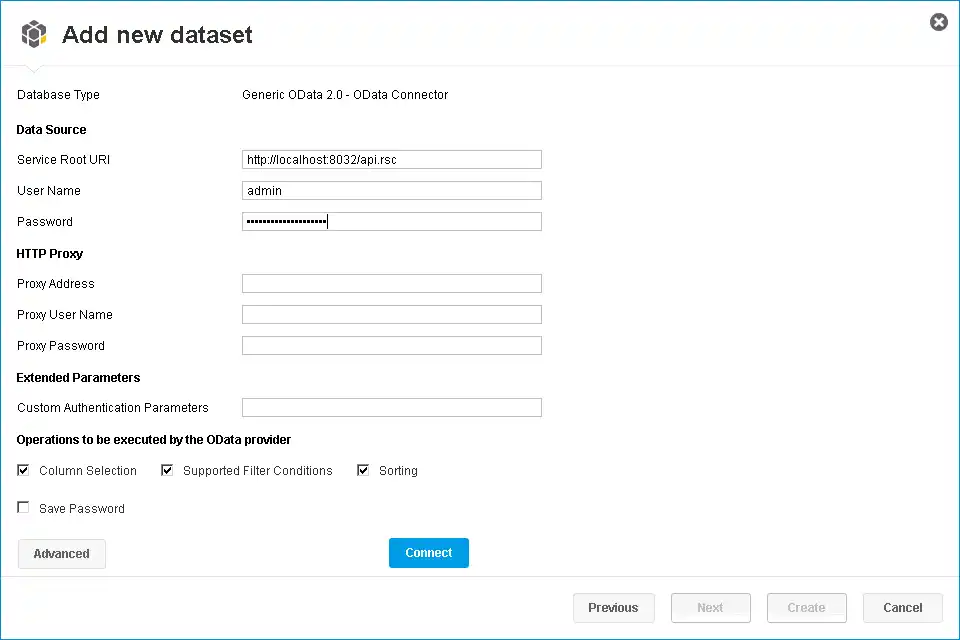
- Expand the Generic section and click the Generic OData 2.0 Connector option.
-
In the Service Root URI box, enter the OData endpoint of the API Server. This URL will resemble the following:
https://your-server:8080/api.rsc
-
In the User Name and Password boxes, enter the username and authtoken of an API user. These credentials will be used in HTTP Basic authentication.
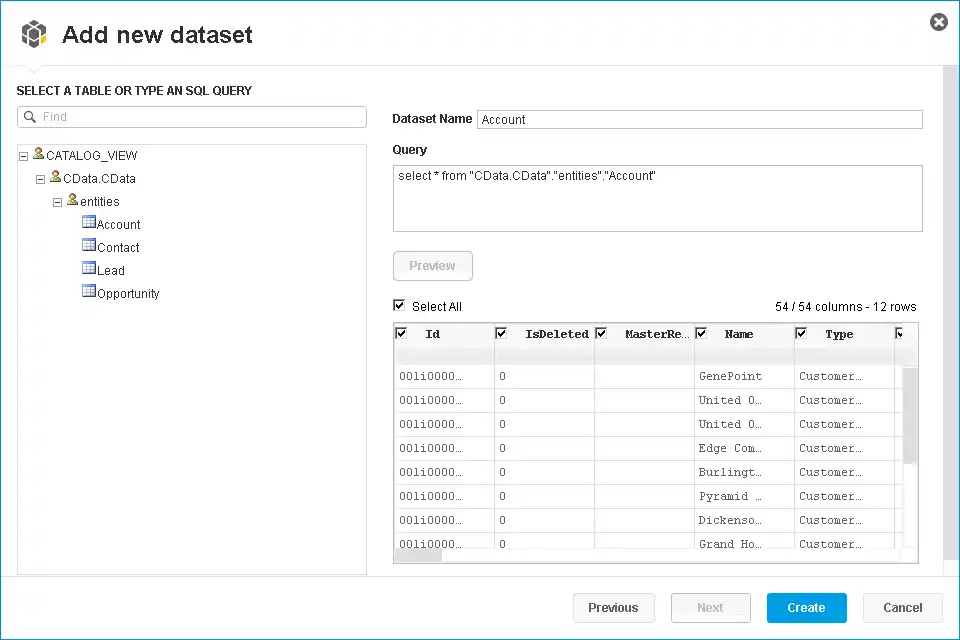
Select entities in the tree or enter an SQL query. This article imports SharePoint MyCustomList entities.
-
When you click Connect, SAP Lumira will generate the corresponding OData request and load the results into memory. You can then use any of the data processing tools available in SAP Lumira, such as filters, aggregates, and summary functions.
Create Data Visualizations
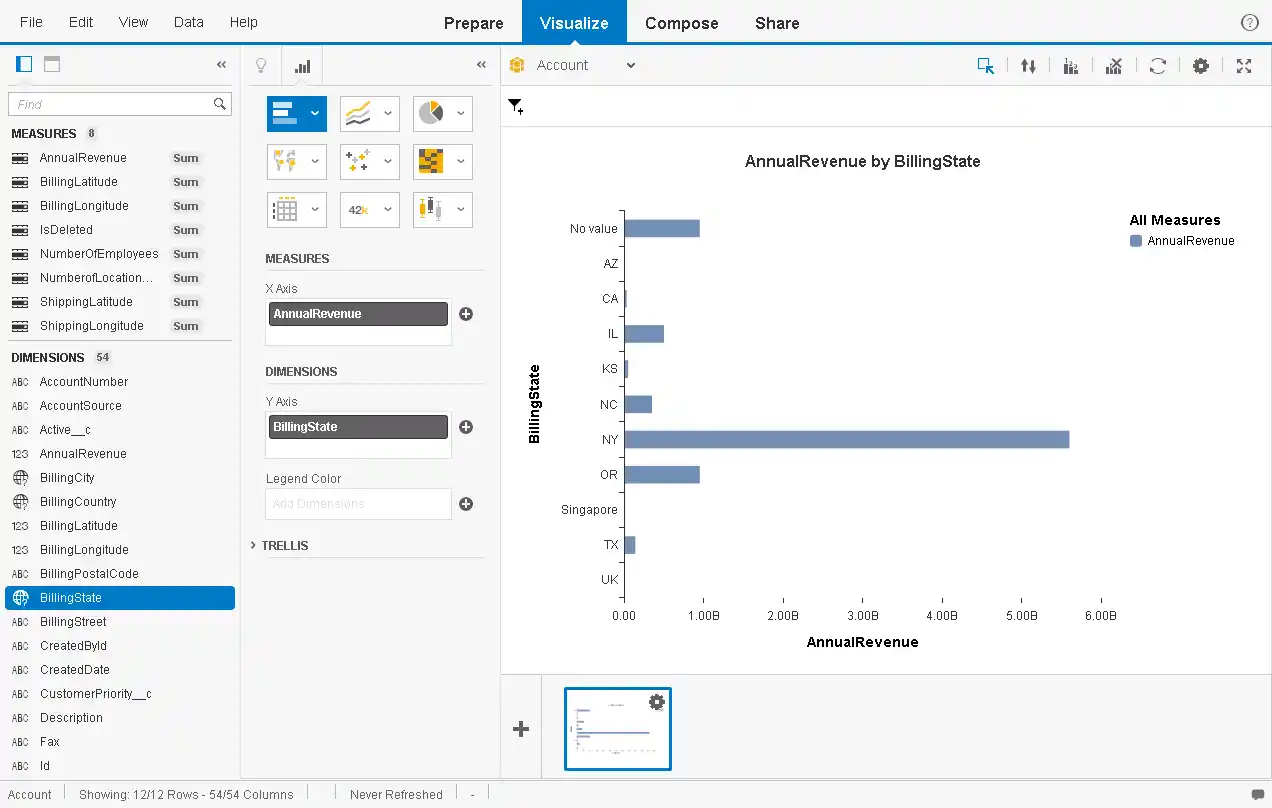
After you have imported the data, you can create data visualizations in the Visualize room. Follow the steps below to create a basic chart.
In the Measures and Dimensions pane, drag measures and dimensions onto the x-axis and y-axis fields in the Visualization Tools pane. SAP Lumira automatically detects dimensions and measures from the metadata service of the API Server.
By default, the SUM function is applied to all measures. Click the gear icon next to a measure to change the default summary.
- In the Visualization Tools pane, select the chart type.
- In the Chart Canvas pane, apply filters, sort by measures, add rankings, and update the chart with the current SharePoint data.