
Model Context Protocol (MCP) finally gives AI models a way to access the business data needed to make them really useful at work. CData MCP Servers have the depth and performance to make sure AI has access to all of the answers.
Try them now for free →


Automated Continuous Sybase Replication to Google BigQuery
Use CData Sync for automated, continuous, customizable Sybase replication to Google BigQuery.
Always-on applications rely on automatic failover capabilities and real-time data access. CData Sync integrates live Sybase data into your Google BigQuery instance, allowing you to consolidate all of your data into a single location for archiving, reporting, analytics, machine learning, artificial intelligence and more.
Configure Google BigQuery as a Replication Destination
Using CData Sync, you can replicate Sybase data to Google BigQuery. To add a replication destination, navigate to the Connections tab.
- Click Add Connection.
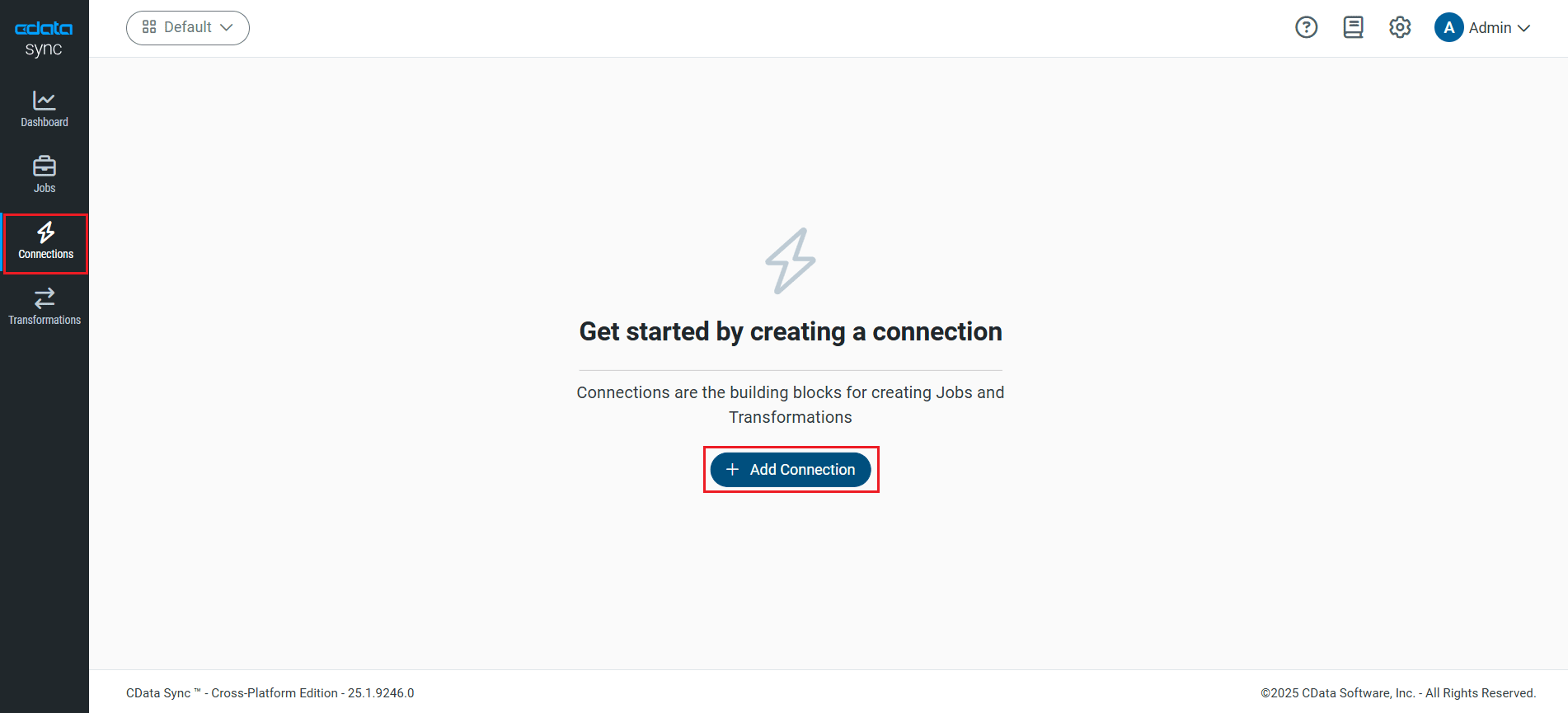
- Select the Destinations tab and locate the Google BigQuery connector.
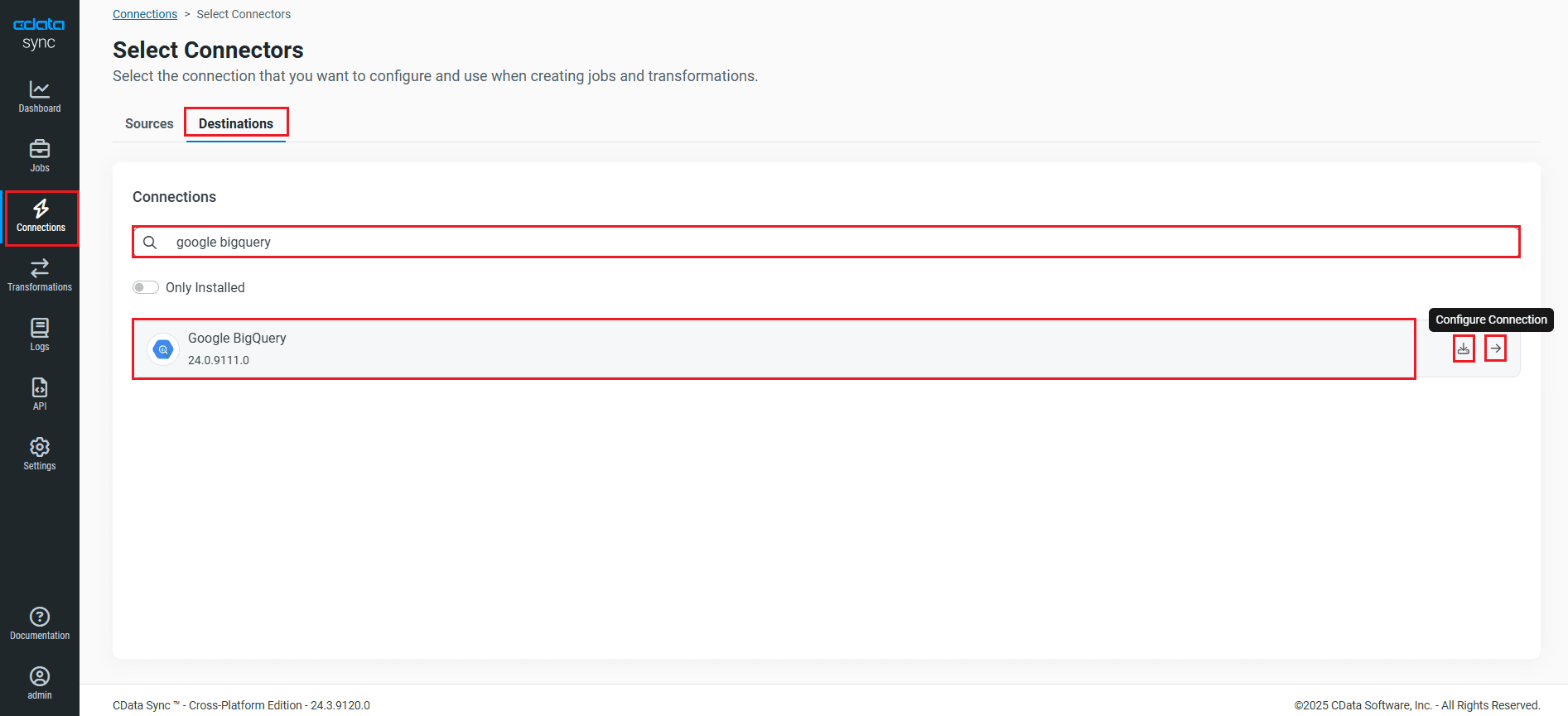
- Click the Configure Connection icon at the end of that row to open the New Connection page. If the Configure Connection icon is not available, click the Download Connector icon to install the Google BigQuery connector. For more information about installing new connectors, see Connections in the Help documentation.
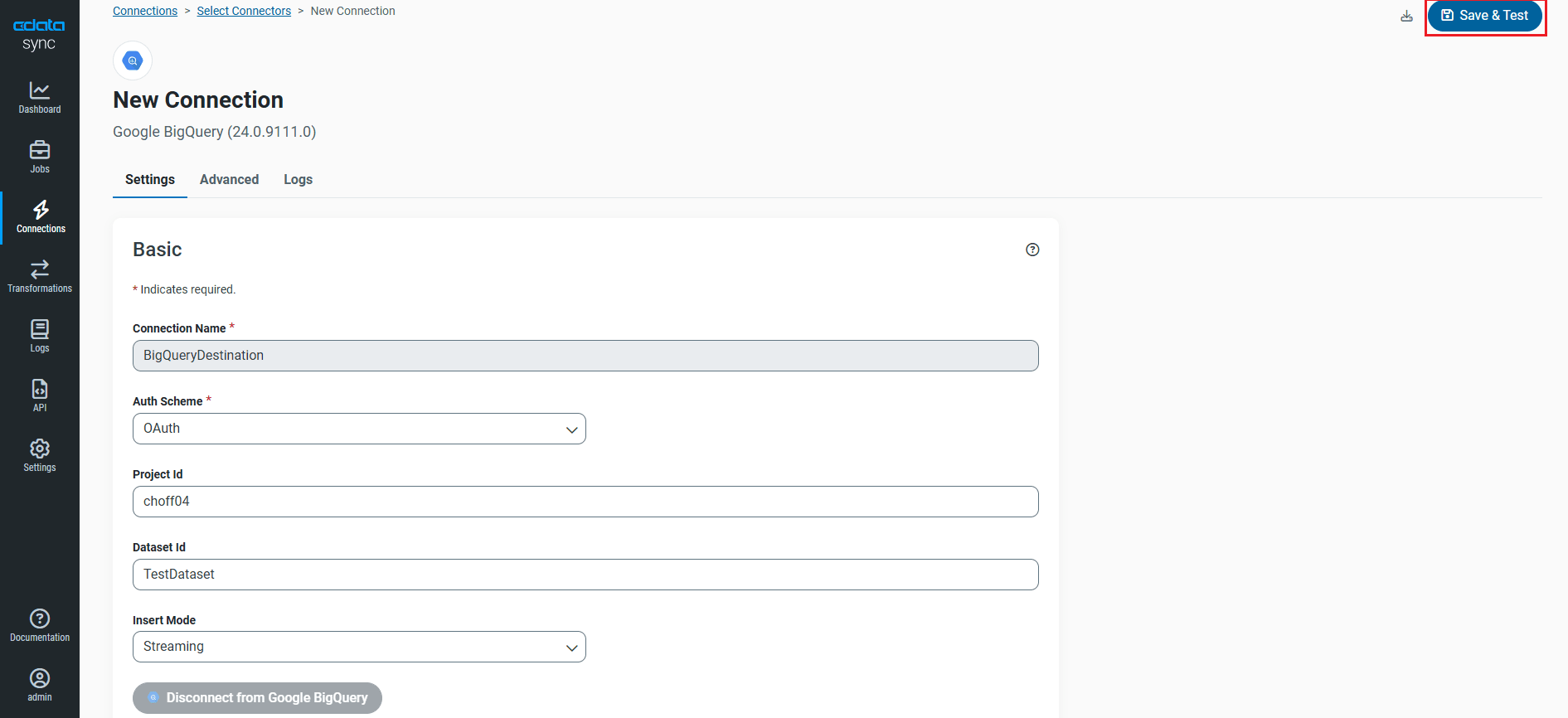
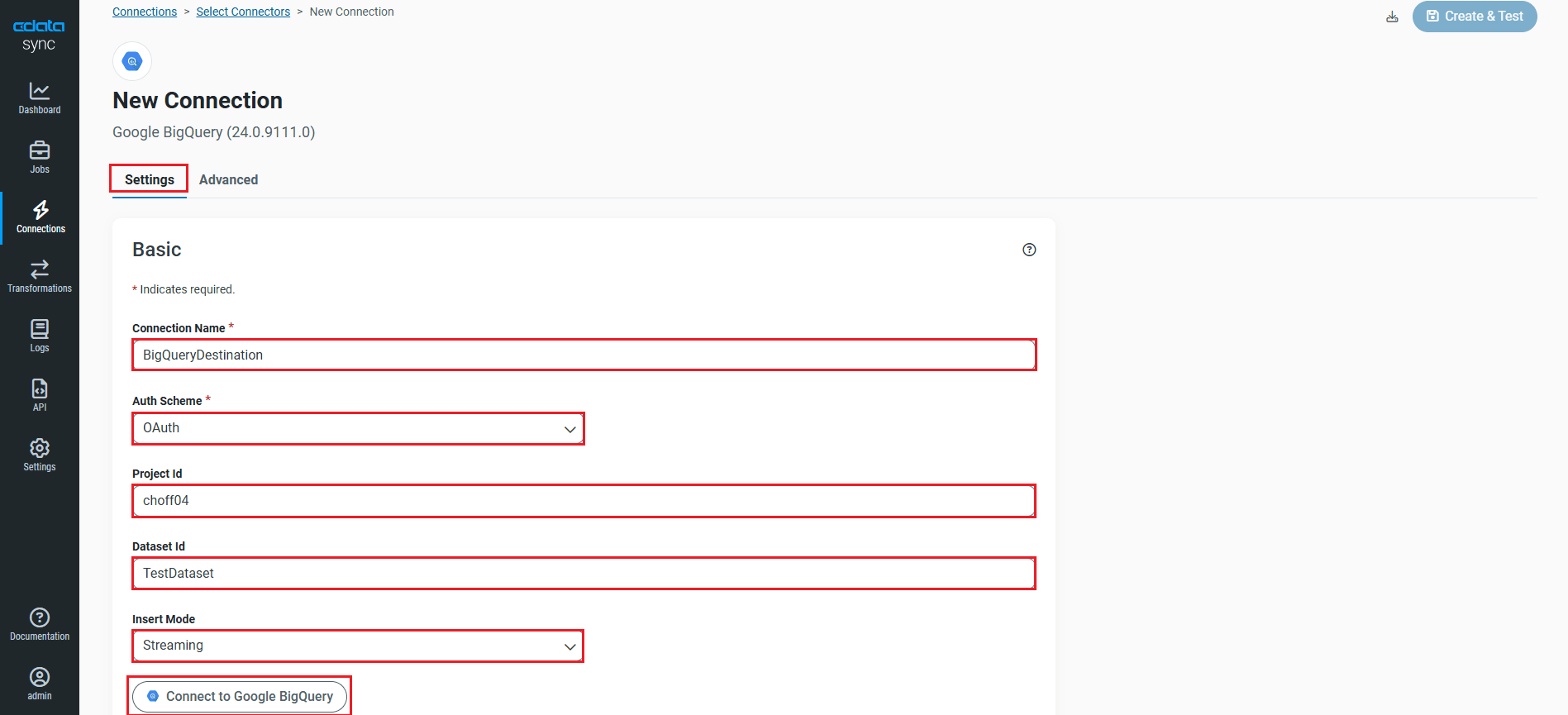
- After the connected is added, enter the necessary connection properties. To connect to Google BigQuery, use OAuth authentication::
- Connection Name: Enter a connection name of your choice.
- Auth Scheme: Select OAuth. Sync supports the OAuth, OAuthJWT, GCPInstanceAccount, and AWSWorkloadIdentity authentication methods.
- ProjectId: Enter the ID of the project you want to connect to.
- DatasetId: Enter the ID of the dataset you want to connect to.
- Insert Mode: Set it to Upload. The different Insert Modes available in Sync are Streaming, DML, Upload, and GCSStaging.
- Click Connect to Google BigQuery. Log in using your Gmail credentials to grant permissions to CData Sync. CData Sync completes the OAuth process and connects successfully to Google BigQuery.
- Once connected, click Save & Test to save the connection.
You are now connected to Google BigQuery and can use it as both a source and a destination.
NOTE: You can use the Label feature to add a label for a source or a destination.
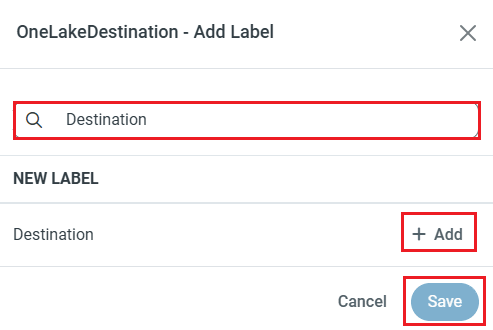
In this article, we will demonstrate how to load Sybase data into Google BigQuery and utilize it as a destination.
Configure the Sybase Connection
You can configure a connection to Sybase from the Connections tab. To add a connection to your Sybase account, navigate to the Connections tab.
- Click Add Connection.
- Select a source (Sybase).
- Configure the connection properties.
To connect to Sybase, specify the following connection properties:
- Server: Set this to the name or network address of the Sybase database instance.
- Database: Set this to the name of the Sybase database running on the specified Server.
Optionally, you can also secure your connections with TLS/SSL by setting UseSSL to true.
Sybase supports several methods for authentication including Password and Kerberos.
Connect Using Password Authentication
Set the AuthScheme to Password and set the following connection properties to use Sybase authentication.
- User: Set this to the username of the authenticating Sybase user.
- Password: Set this to the username of the authenticating Sybase user.
Connect using LDAP Authentication
To connect with LDAP authentication, configure Sybase server-side to use the LDAP authentication mechanism.
After configuring Sybase for LDAP, you can connect using the same credentials as Password authentication.
Connect Using Kerberos Authentication
To leverage Kerberos authentication, begin by enabling it setting AuthScheme to Kerberos. See the Using Kerberos section in the Help documentation for more information on using Kerberos authentication.
You can find an example connection string below:
Server=MyServer;Port=MyPort;User=SampleUser;Password=SamplePassword;Database=MyDB;Kerberos=true;KerberosKDC=MyKDC;KerberosRealm=MYREALM.COM;KerberosSPN=server-name
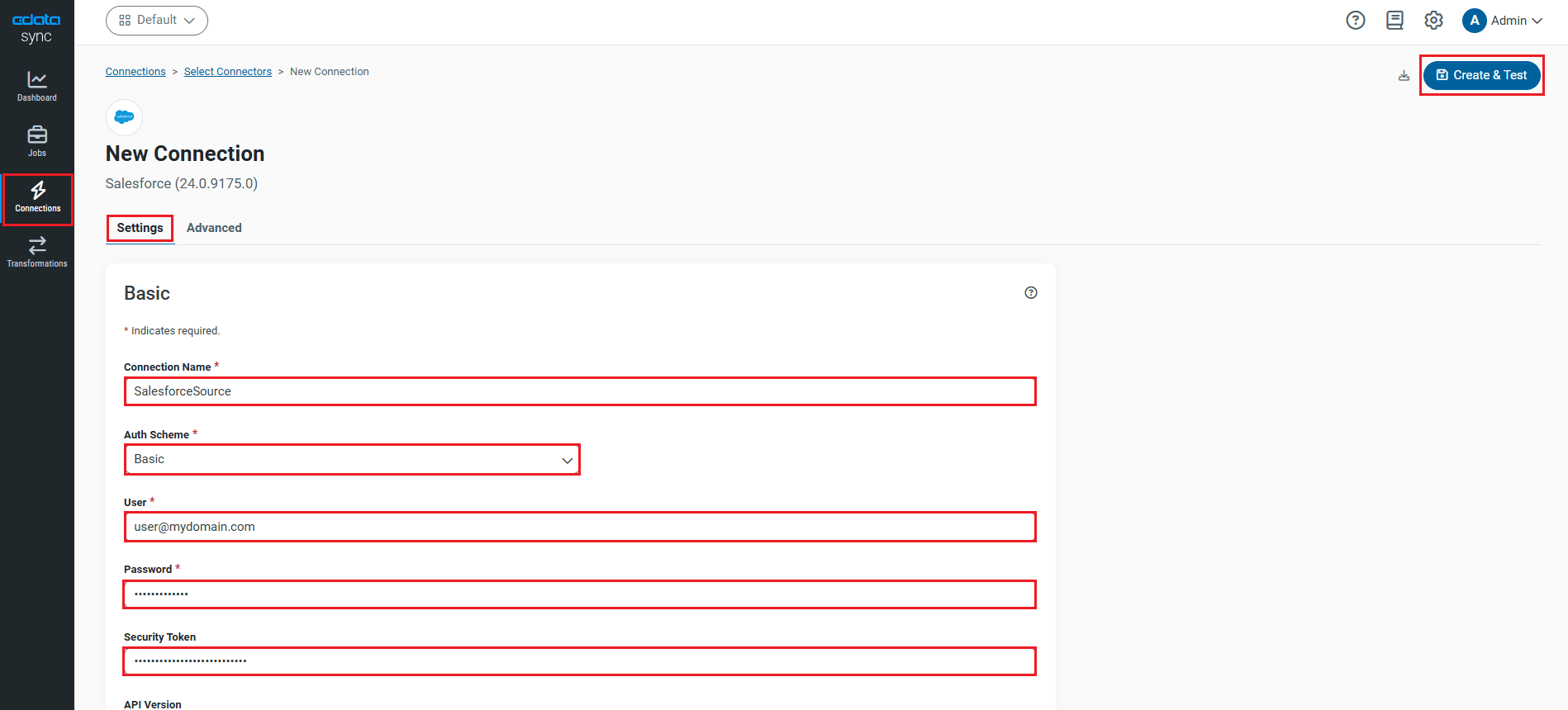
- Click Connect to Sybase to ensure that the connection is configured properly.
- Click Save & Test to save the changes.
Configure Replication Queries
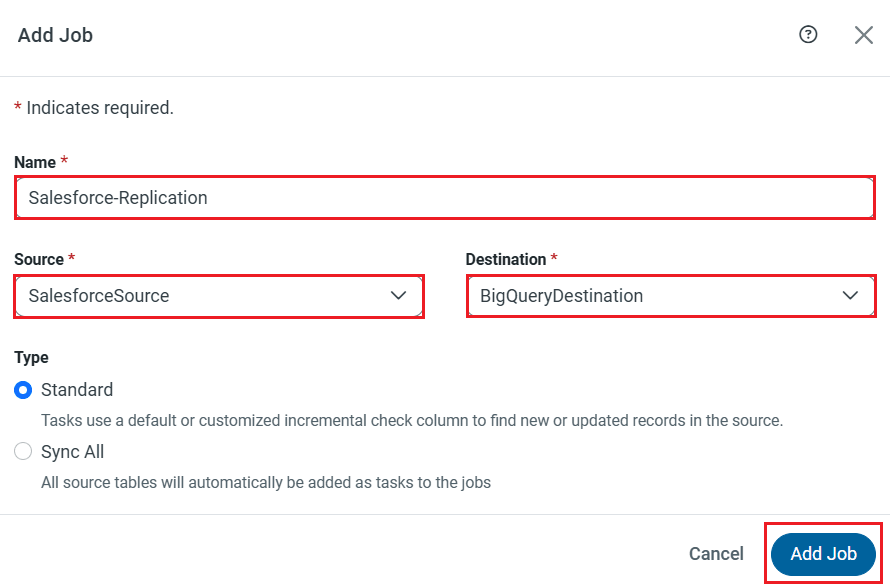
CData Sync enables you to control replication with a point-and-click interface and with SQL queries. For each replication you wish to configure, navigate to the Jobs tab and click Add Job. Select the Source and Destination for your replication.
Replicate Entire Tables
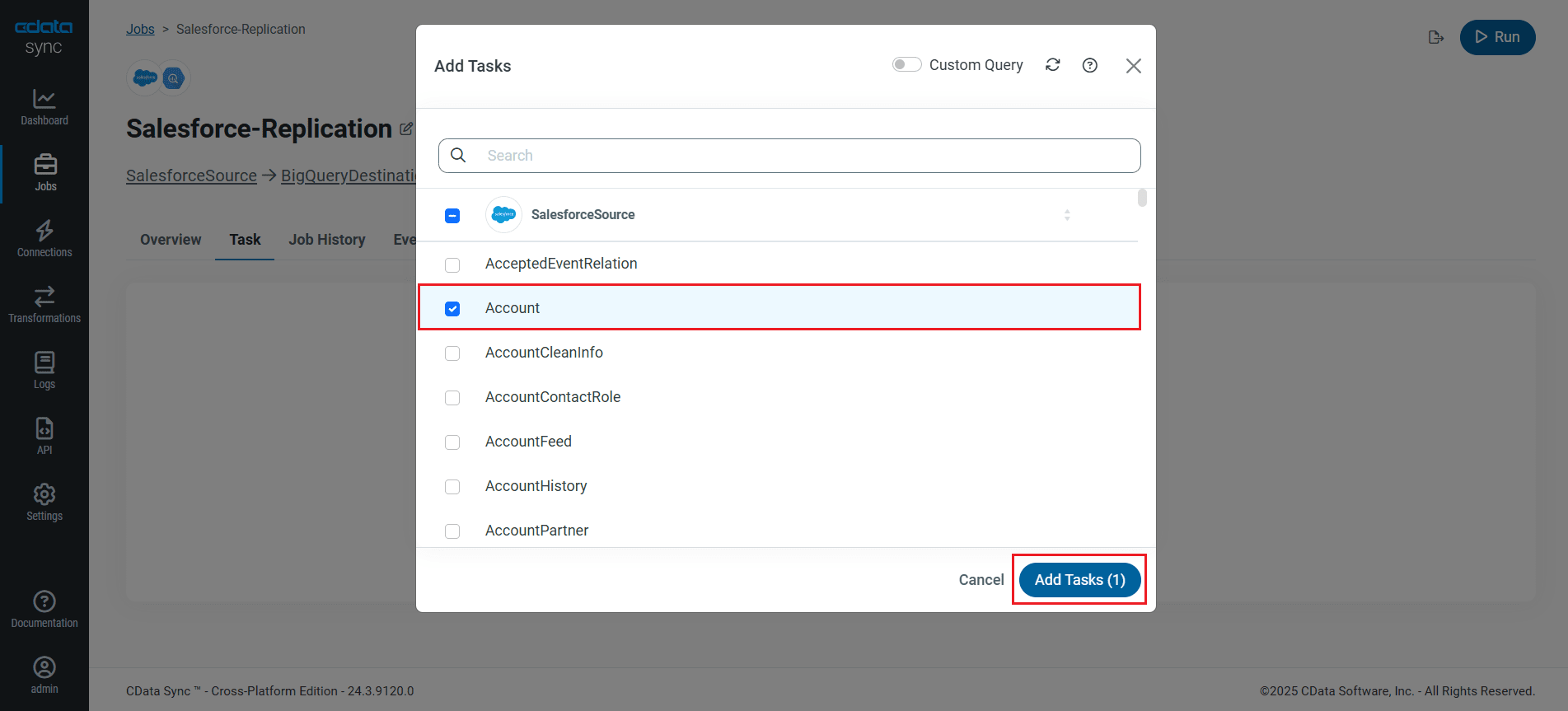
To replicate an entire table, navigate to the Task tab in the Job, click Add Tasks, choose the table(s) from the list of Sybase tables you wish to replicate into Google BigQuery, and click Add Tasks again.
Customize Your Replication
You can use the Columns and Query tabs of a task to customize your replication. The Columns tab allows you to specify which columns to replicate, rename the columns at the destination, and even perform operations on the source data before replicating. The Query tab allows you to add filters, grouping, and sorting to the replication with the help of SQL queries.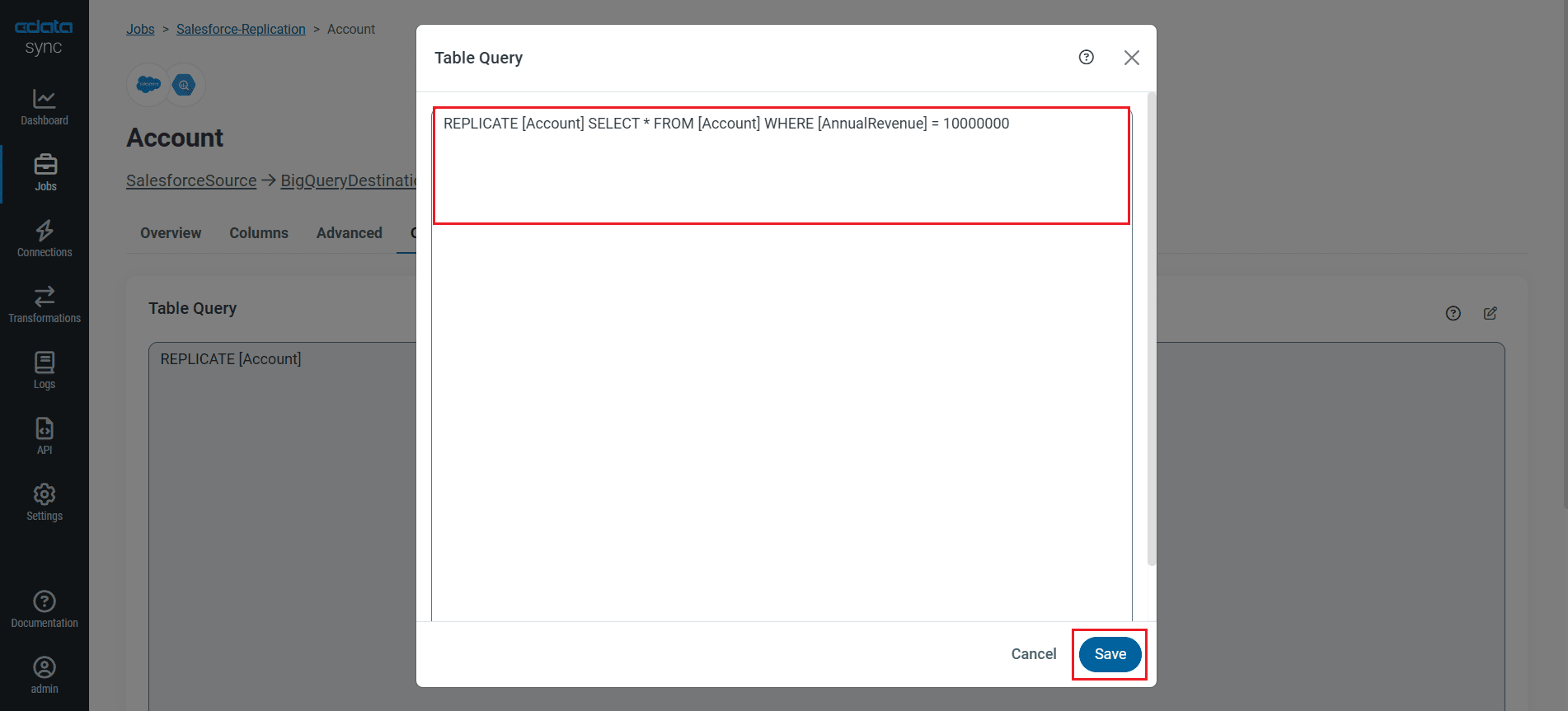
Schedule Your Replication
Select the Overview tab in the Job, and click Configure under Schedule. You can schedule a job to run automatically by configuring it to run at specified intervals, ranging from once every 10 minutes to once every month.
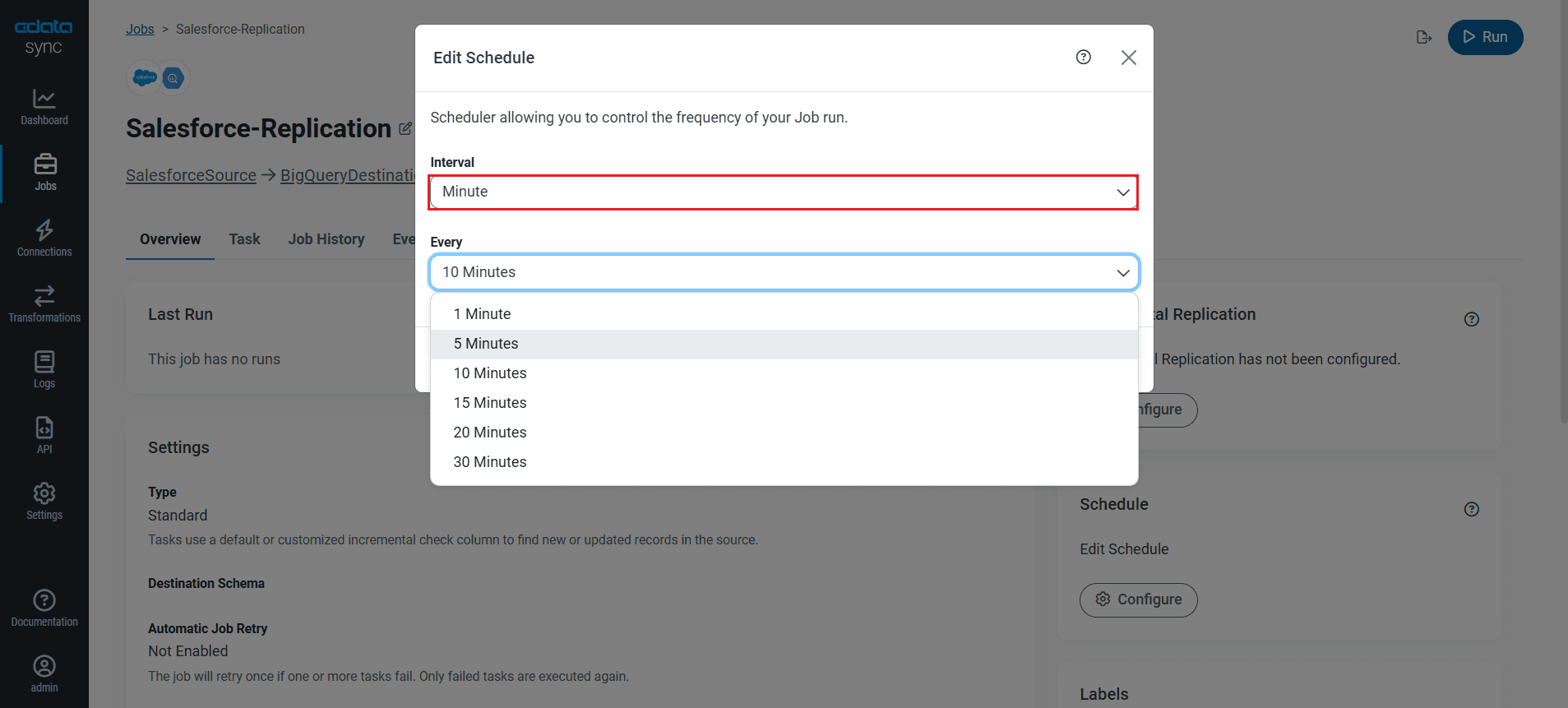
Once you have configured the replication job, click Save Changes. You can configure any number of jobs to manage the replication of your Sybase data to Google BigQuery.
Run the Replication Job
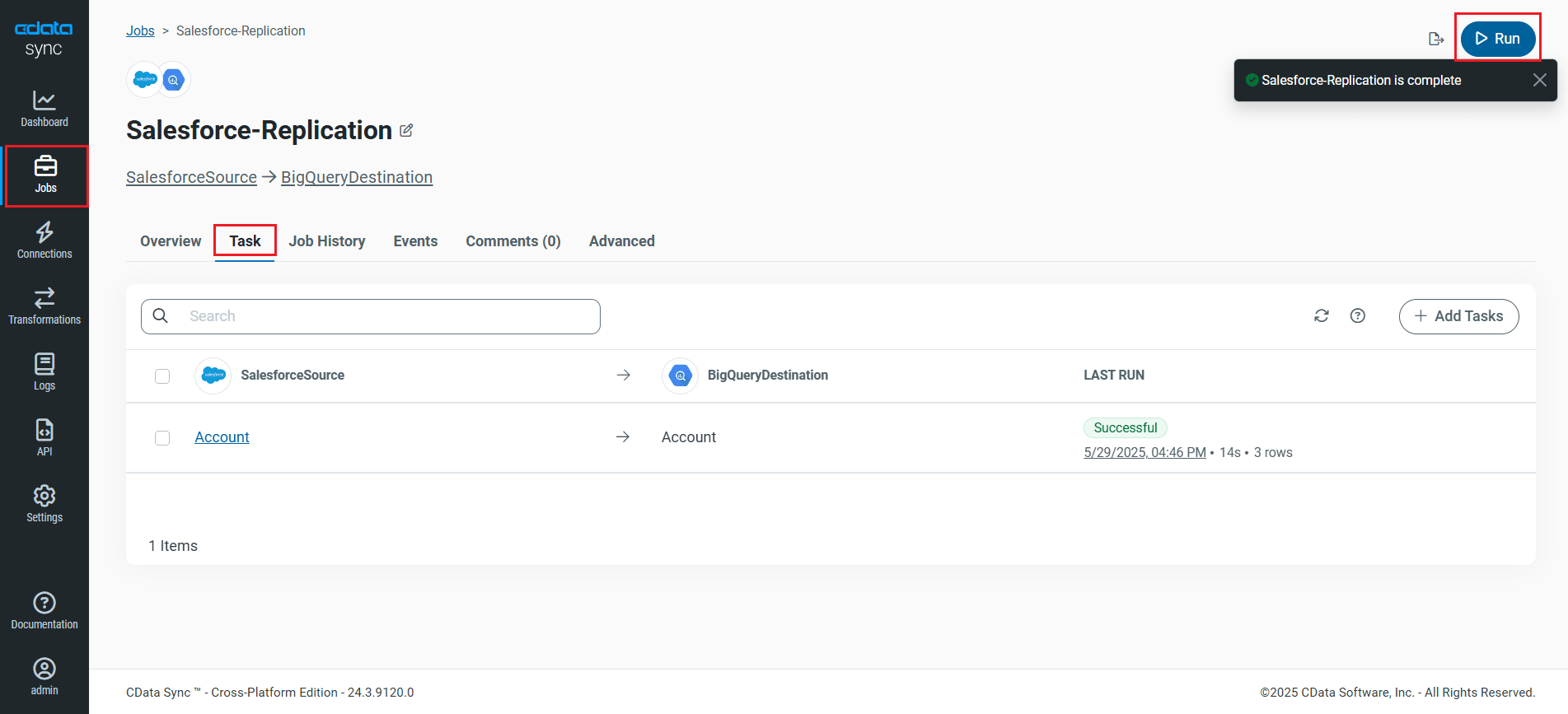
Once all the required configurations are made for the job, select the Sybase table you wish to replicate and click Run. After the replication completes successfully, a notification appears, showing the time taken to run the job and the number of rows replicated.
Free Trial & More Information
Now that you have seen how to replicate Sybase data into Google BigQuery, visit our CData Sync page to explore more about CData Sync and download a free 30-day trial. Start consolidating your enterprise data today!
As always, our world-class Support Team is ready to answer any questions you may have.
