
Model Context Protocol (MCP) finally gives AI models a way to access the business data needed to make them really useful at work. CData MCP Servers have the depth and performance to make sure AI has access to all of the answers.
Try them now for free →


Connect to and Query WooCommerce Data in QlikView over ODBC
Create data visualizations with WooCommerce data in QlikView.
The CData ODBC drivers expand your ability to work with data from more than 200 data sources. QlikView is a business discovery platform that provides self-service BI for all business users in an organization. This article outlines simple steps to connect to WooCommerce data using the CData ODBC driver and create data visualizations in QlikView.
The CData ODBC drivers offer unmatched performance for interacting with live WooCommerce data in QlikView due to optimized data processing built into the driver. When you issue complex SQL queries from QlikView to WooCommerce, the driver pushes supported SQL operations, like filters and aggregations, directly to WooCommerce and utilizes the embedded SQL engine to process unsupported operations (often SQL functions and JOIN operations) client-side. With built-in dynamic metadata querying, you can visualize and analyze WooCommerce data using native QlikView data types.
Connect to WooCommerce as an ODBC Data Source
If you have not already, first specify connection properties in an ODBC DSN (data source name). This is the last step of the driver installation. You can use the Microsoft ODBC Data Source Administrator to create and configure ODBC DSNs.
WooCommerce supports the following authentication methods: one-legged OAuth1.0 Authentication and standard OAuth2.0 Authentication.
Connecting using one-legged OAuth 1.0 Authentication
Specify the following properties (NOTE: the below credentials are generated from WooCommerce settings page and should not be confused with the credentials generated by using WordPress OAuth2.0 plugin):
- ConsumerKey
- ConsumerSecret
Connecting using WordPress OAuth 2.0 Authentication
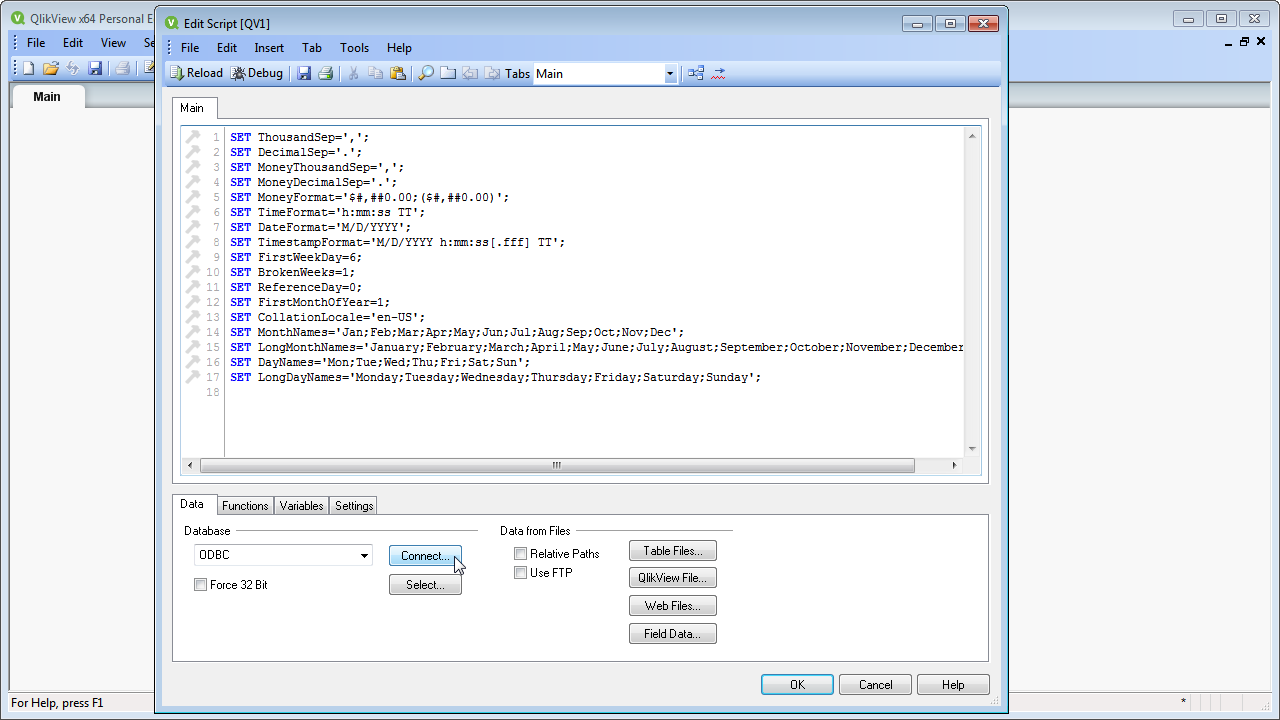
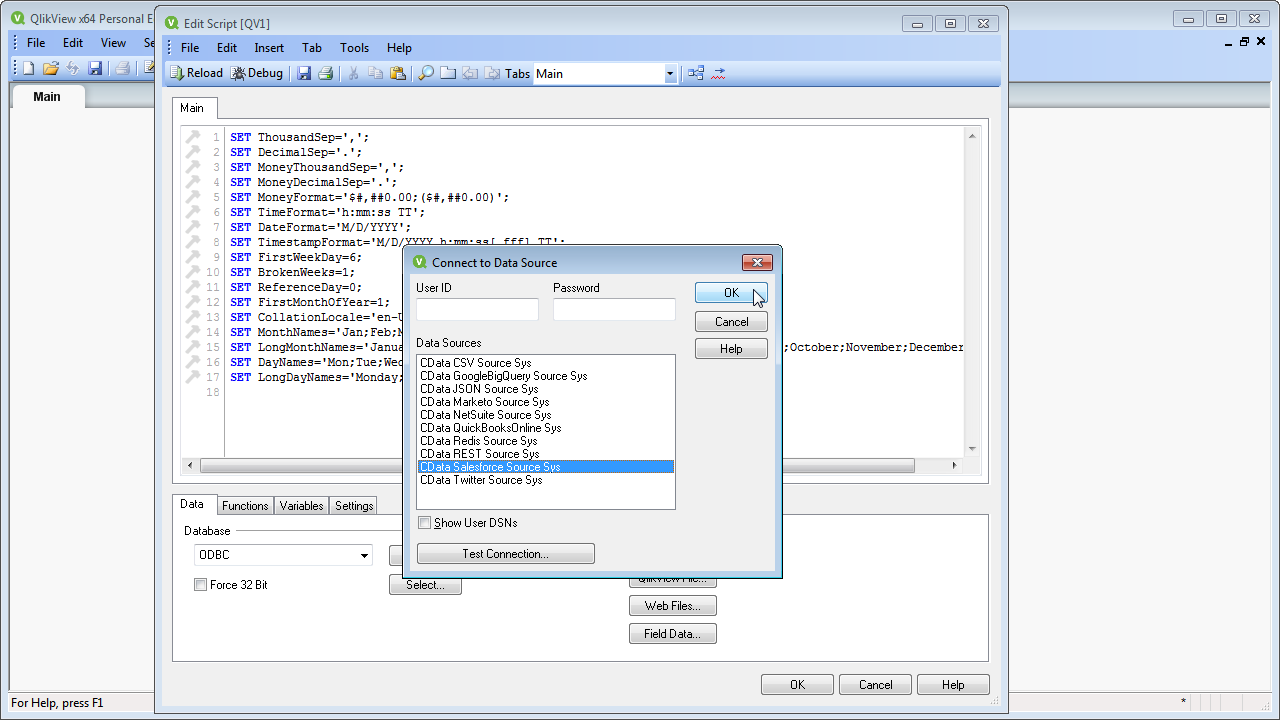 A command like the following is generated:
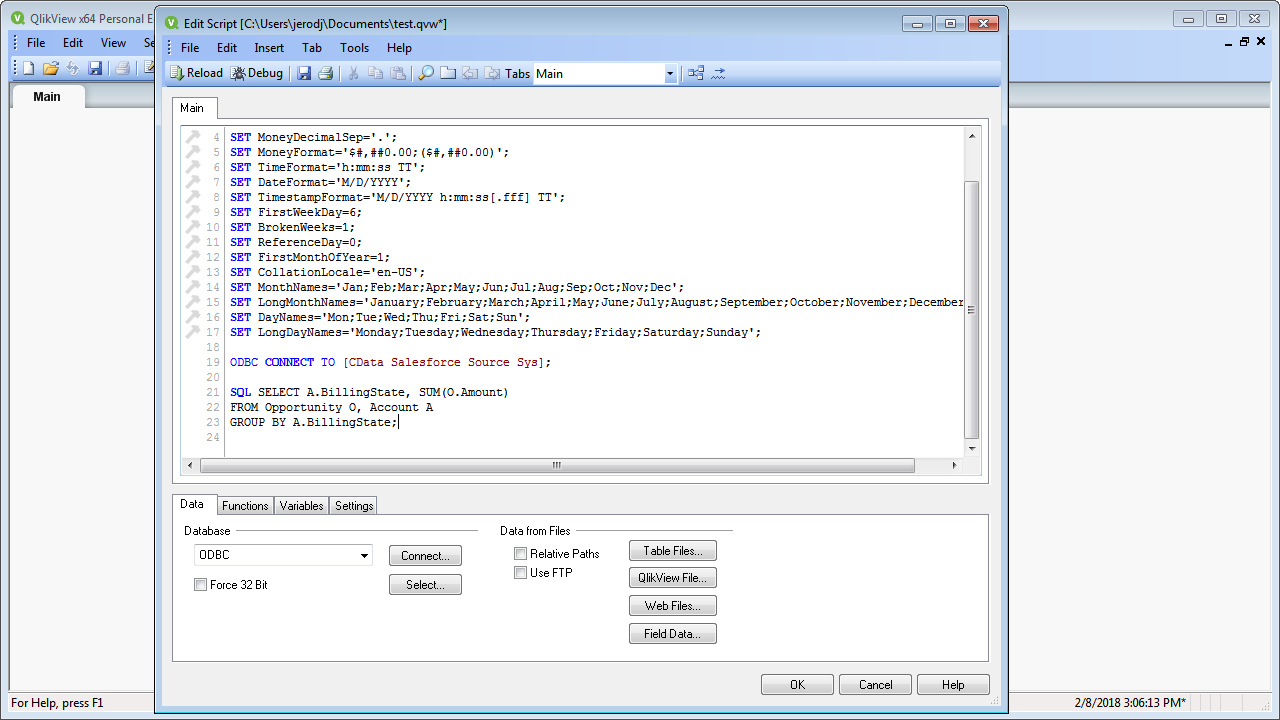
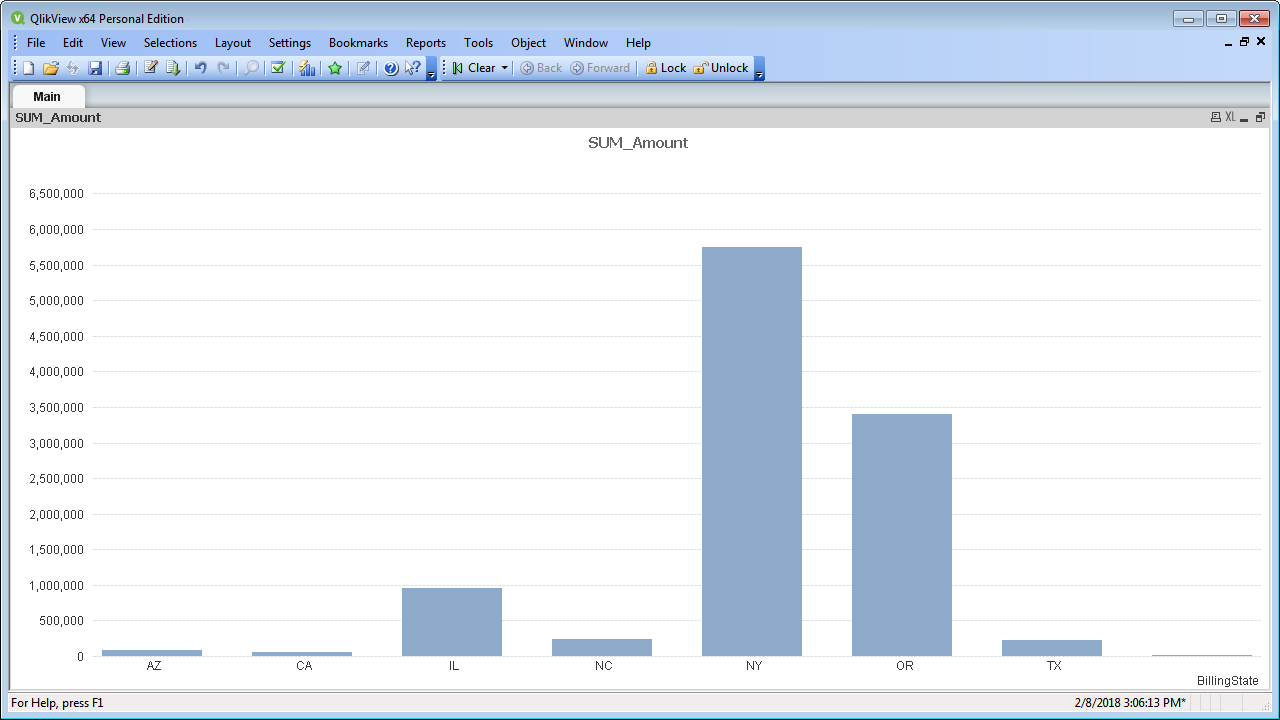
Ready to get started?
Download a free trial of the WooCommerce ODBC Driver to get started:
Download NowLearn more:
 WooCommerce ODBC Driver
The WooCommerce ODBC Driver is a powerful tool that allows you to connect with live data from WooCommerce, directly from any applications that support ODBC connectivity.
Access WooCommerce data like you would a database - read, write, and update WooCommerce Customers, Products, Orders, Transactions, etc. through a standard ODBC Driver interface.
