
Model Context Protocol (MCP) finally gives AI models a way to access the business data needed to make them really useful at work. CData MCP Servers have the depth and performance to make sure AI has access to all of the answers.
Try them now for free →


Connect and Query Live Zuora Data in Databricks with CData Connect Cloud
Use CData Connect Cloud to integrate live Zuora data into Databricks and enable direct, live querying and analysis without replication.
Databricks is a leading AI cloud-native platform that unifies data engineering, machine learning, and analytics at scale. Its powerful data lakehouse architecture combines the performance of data warehouses with the flexibility of data lakes. Integrating Databricks with CData Connect Cloud gives organizations live, real-time access to Zuora data without the need for complex ETL pipelines or data duplication—streamlining operations and reducing time-to-insights.
In this article, we'll walk through how to configure a secure, live connection from Databricks to Zuora using CData Connect Cloud. Once configured, you'll be able to access Zuora data directly from Databricks notebooks using standard SQL—enabling unified, real-time analytics across your data ecosystem.
Overview
Here is an overview of the simple steps:
- Step 1 — Connect and Configure: In CData Connect Cloud, create a connection to your Zuora source, configure user permissions, and generate a Personal Access Token (PAT).
- Step 2 — Query from Databricks: Install the CData JDBC driver in Databricks, configure your notebook with the connection details, and run SQL queries to access live Zuora data.
Prerequisites
Before you begin, make sure you have the following:
- An active Zuora account.
- A CData Connect Cloud account. You can log in or sign up for a free trial here.
- A Databricks account. Sign up or log in here.
Step 1: Connect and Configure a Zuora Connection in CData Connect Cloud
1.1 Add a Connection to Zuora
CData Connect Cloud uses a straightforward, point-and-click interface to connect to available data sources.
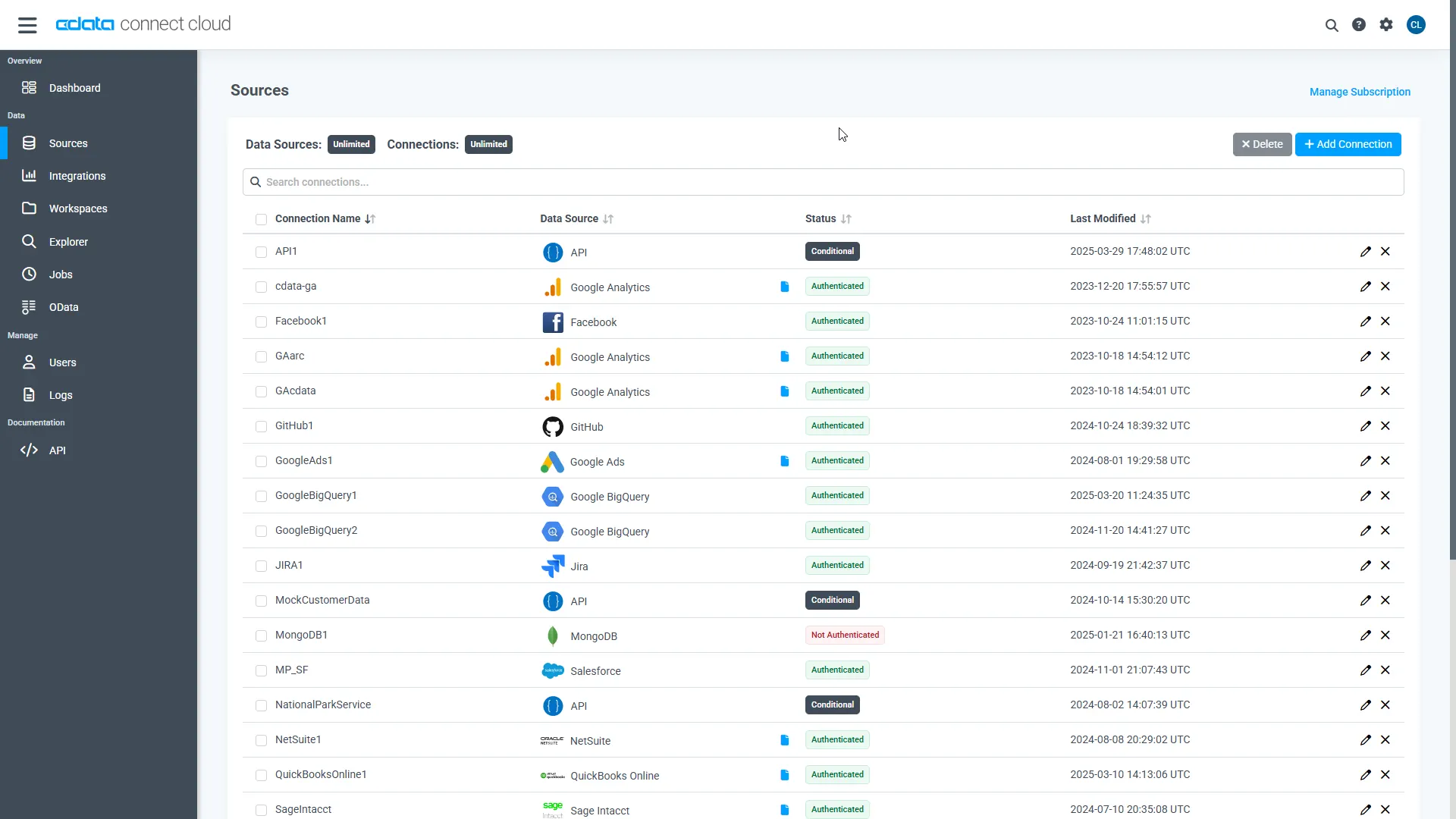
- Log into Connect Cloud, click Sources on the left, and then click Add Connection in the top-right.
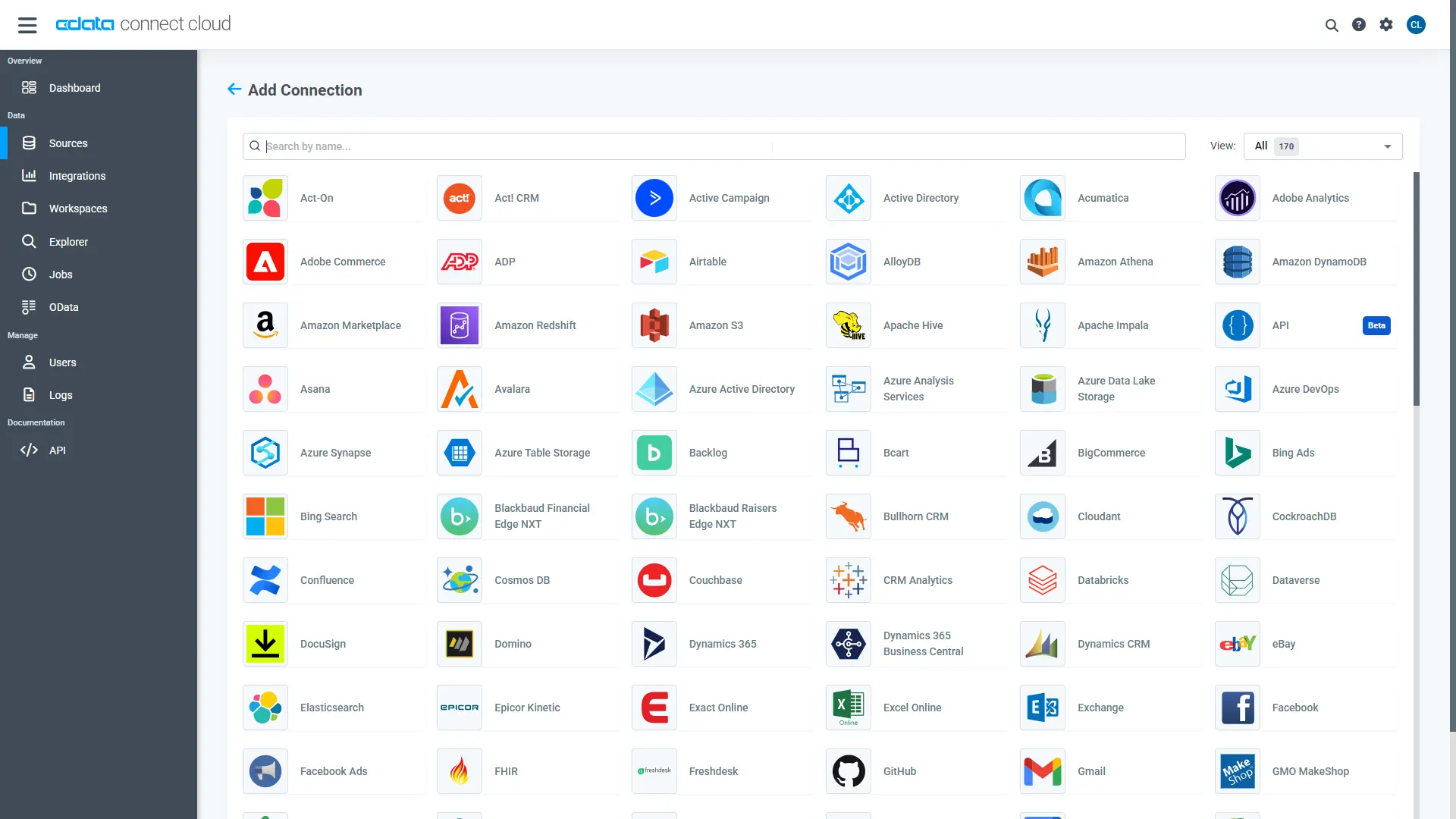
- Select "Zuora" from the Add Connection panel.
-
Enter the necessary authentication properties to connect to Zuora.
Zuora uses the OAuth standard to authenticate users. See the online Help documentation for a full OAuth authentication guide.
Configuring Tenant property
In order to create a valid connection with the provider you need to choose one of the Tenant values (USProduction by default) which matches your account configuration. The following is a list with the available options:
- USProduction: Requests sent to https://rest.zuora.com.
- USAPISandbox: Requests sent to https://rest.apisandbox.zuora.com"
- USPerformanceTest: Requests sent to https://rest.pt1.zuora.com"
- EUProduction: Requests sent to https://rest.eu.zuora.com"
- EUSandbox: Requests sent to https://rest.sandbox.eu.zuora.com"
Selecting a Zuora Service
Two Zuora services are available: Data Query and AQuA API. By default ZuoraService is set to AQuADataExport.
DataQuery
The Data Query feature enables you to export data from your Zuora tenant by performing asynchronous, read-only SQL queries. We recommend to use this service for quick lightweight SQL queries.
Limitations- The maximum number of input records per table after filters have been applied: 1,000,000
- The maximum number of output records: 100,000
- The maximum number of simultaneous queries submitted for execution per tenant: 5
- The maximum number of queued queries submitted for execution after reaching the limitation of simultaneous queries per tenant: 10
- The maximum processing time for each query in hours: 1
- The maximum size of memory allocated to each query in GB: 2
- The maximum number of indices when using Index Join, in other words, the maximum number of records being returned by the left table based on the unique value used in the WHERE clause when using Index Join: 20,000
AQuADataExport
AQuA API export is designed to export all the records for all the objects ( tables ). AQuA query jobs have the following limitations:
Limitations- If a query in an AQuA job is executed longer than 8 hours, this job will be killed automatically.
- The killed AQuA job can be retried three times before returned as failed.
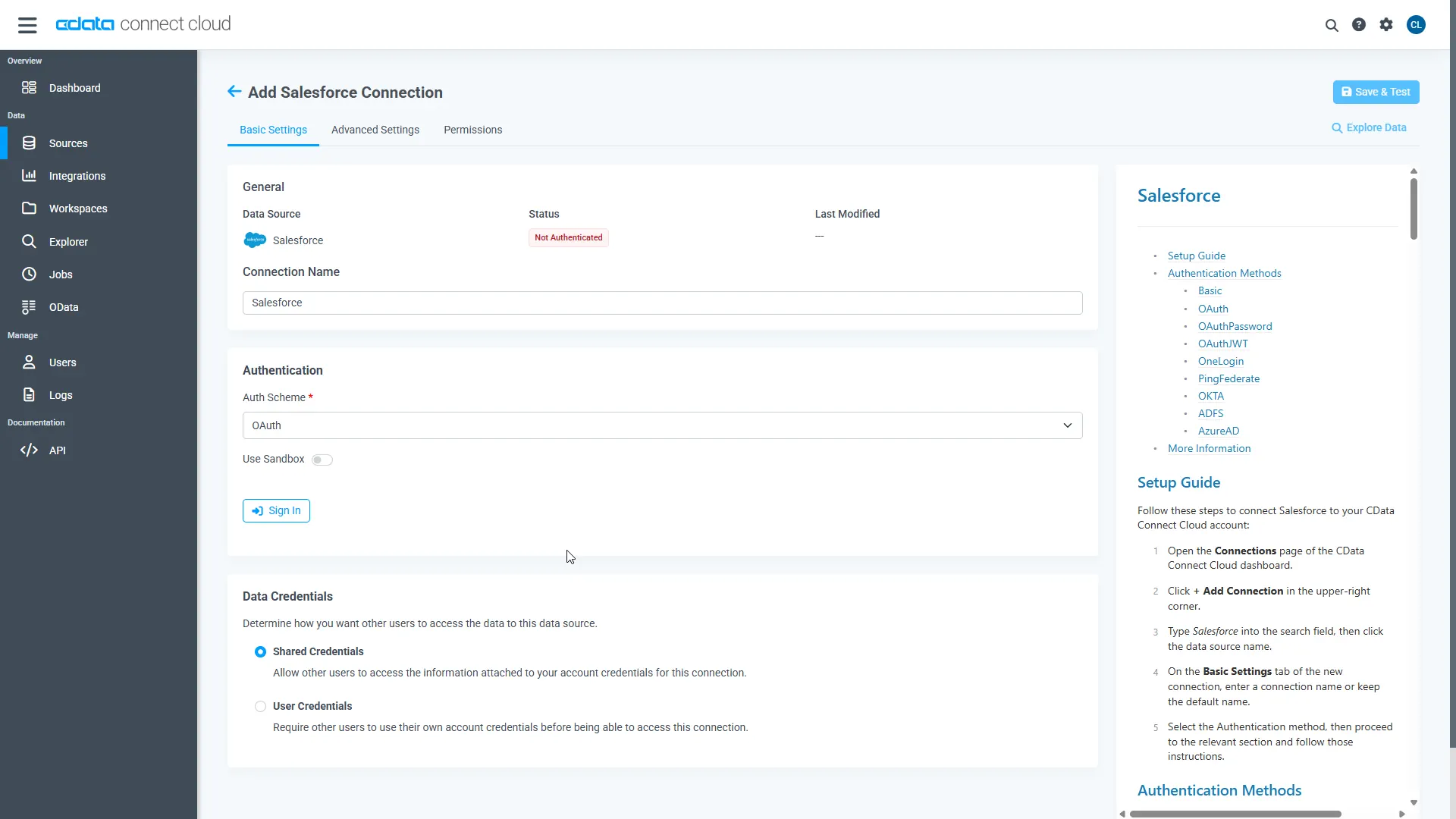
- Click Save & Test in the top-right.
-
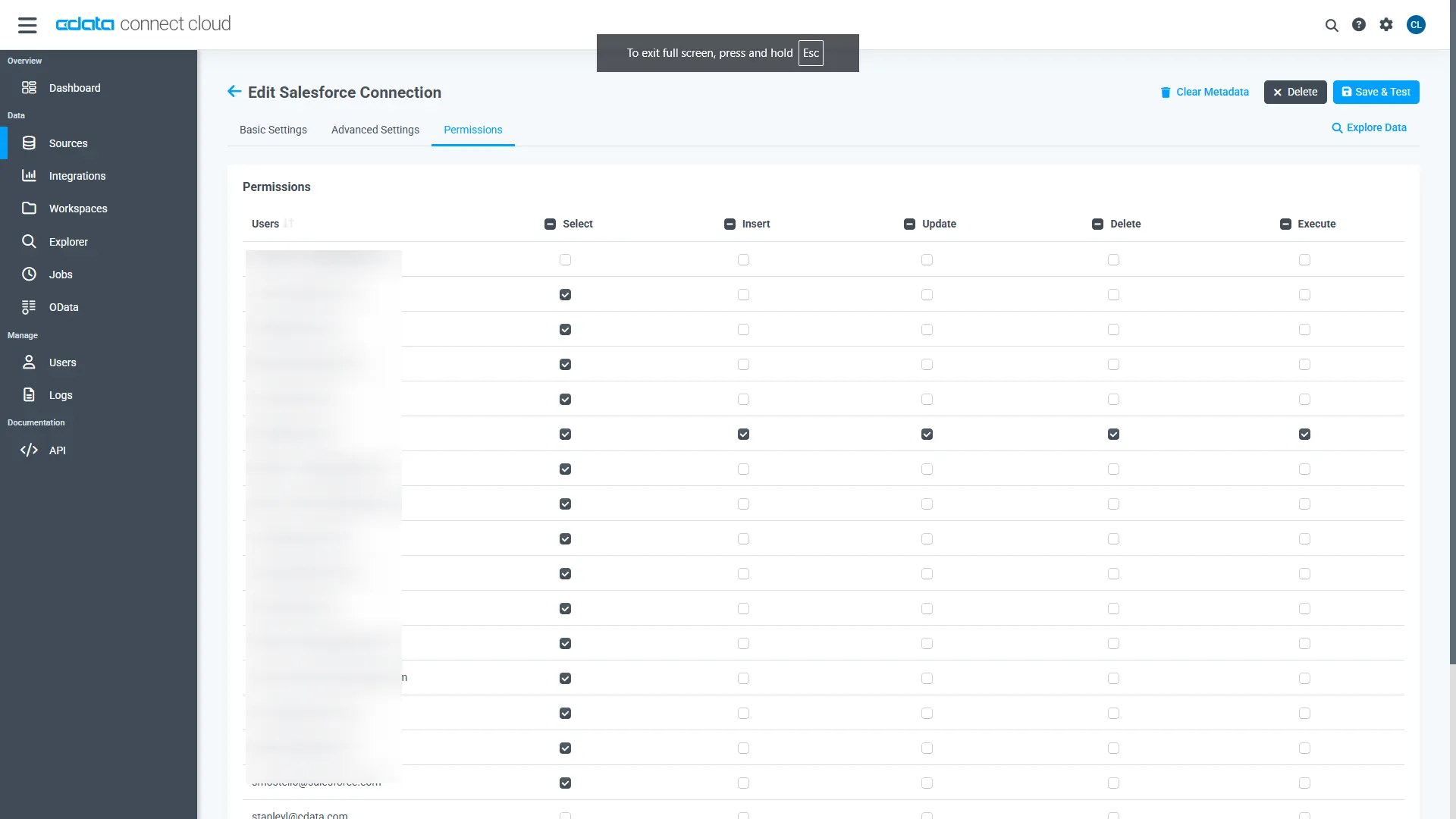
Navigate to the Permissions tab on the Zuora Connection page
and update the user-based permissions based on your preferences.
1.2 Generate a Personal Access Token (PAT)
When connecting to Connect Cloud through the REST API, the OData API, or the Virtual SQL Server, a Personal Access Token (PAT) is used to authenticate the connection to Connect Cloud. PAT functions as an alternative to your login credentials for secure, token-based authentication. It is a best practice to create a separate PAT for each service to maintain granularity of access.
- Click on the Gear icon () at the top right of the Connect Cloud app to open the settings page.
- On the Settings page, go to the Access Tokens section and click Create PAT.
-
Give the PAT a name and click Create.
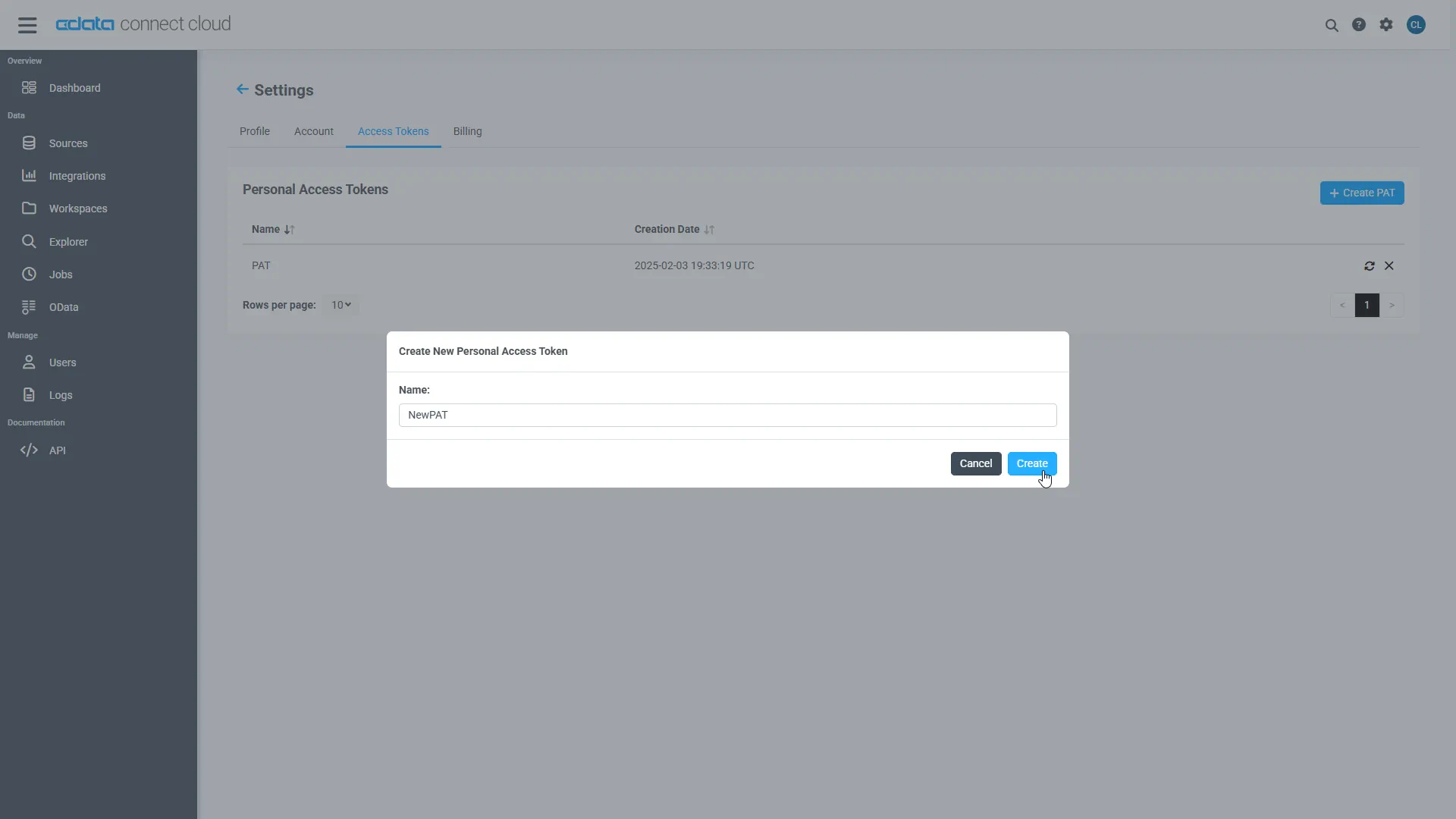
- Note: The personal access token is only visible at creation, so be sure to copy it and store it securely for future use.
Step 2: Connect and Query Zuora Data in Databricks
Follow these steps to establish a connection from Databricks to Zuora. You'll install the CData JDBC Driver for Connect Cloud, add the JAR file to your cluster, configure your notebooks, and run SQL queries to access live Zuora data data.
2.1 Install the CData JDBC Driver for Connect Cloud
- In CData Connect Cloud, click the Integrations page on the left. Search for JDBC or Databricks, click Download, and select the installer for your operating system.
-
Once downloaded, run the installer and follow the instructions:
- For Windows: Run the setup file and follow the installation wizard.
- For Mac/Linux: Unpack the archive and move the folder to /opt or /Applications. Make sure you have execute permissions.
-
After installation, locate the JAR file in the installation directory:
- Windows:
C:\Program Files\CData\CData JDBC Driver for Connect Cloud\lib\cdata.jdbc.connect.jar
- Mac/Linux:
/Applications/CData/CData JDBC Driver for Connect Cloud/lib/cdata.jdbc.connect.jar
- Windows:
2.2 Install the JAR File on Databricks
-
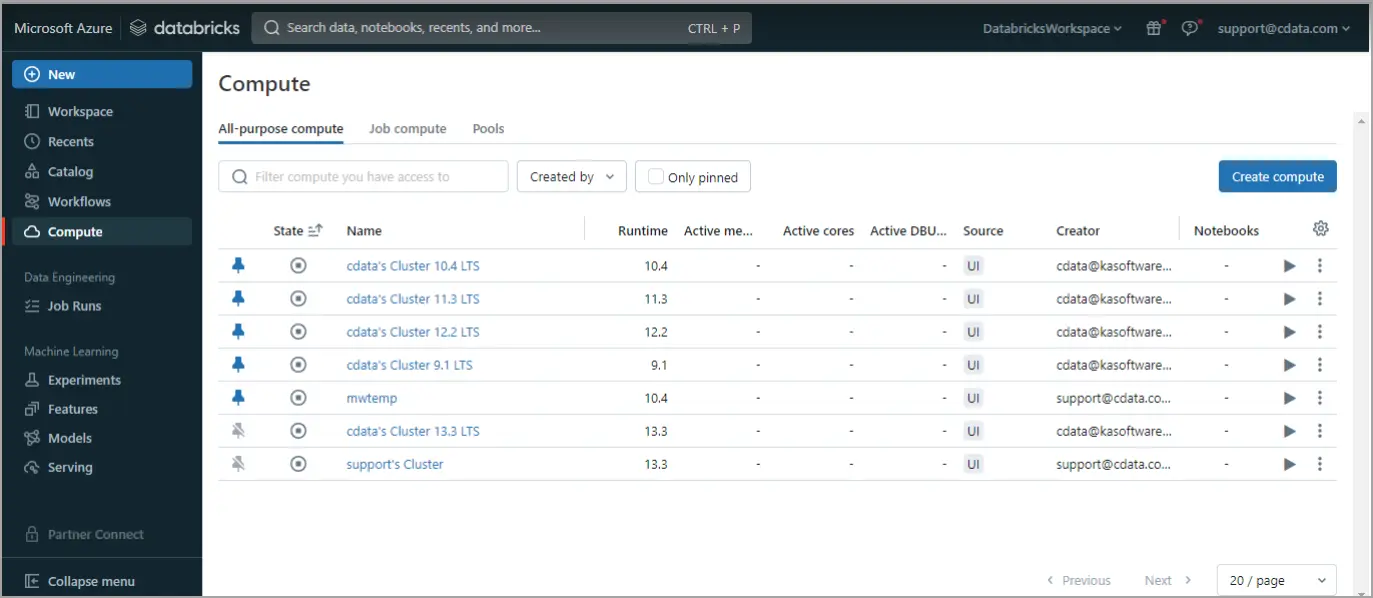
Log in to Databricks. In the navigation pane, click Compute on the left. Start or create a compute cluster.
-
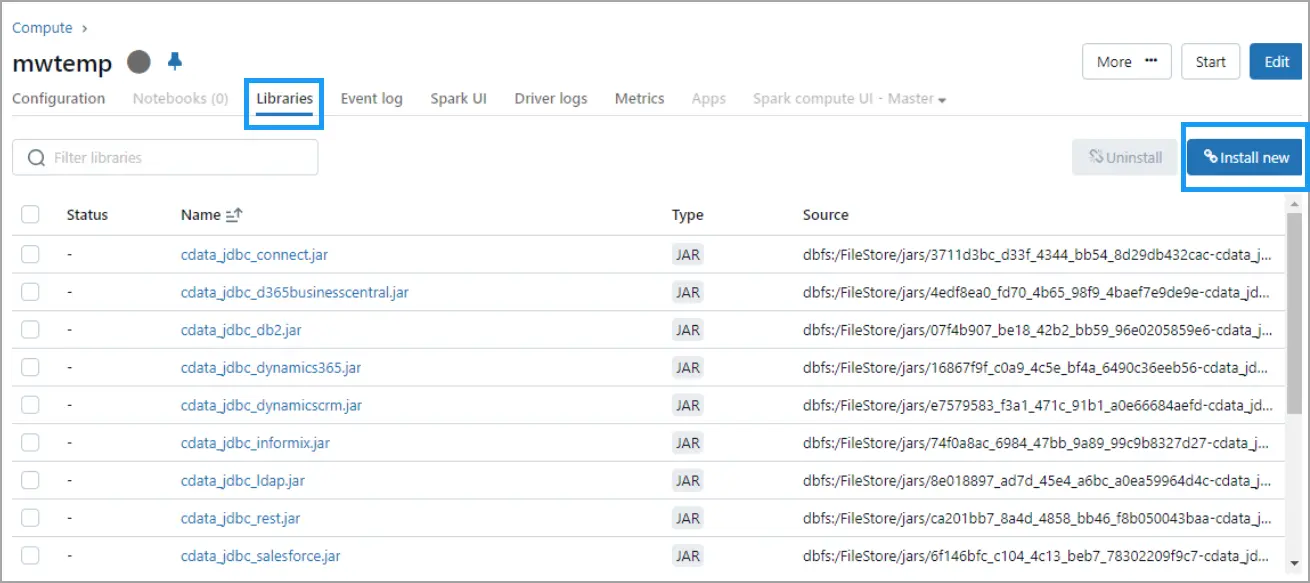
Click on the running cluster, go to the Libraries tab, and click Install New at the top right.
-
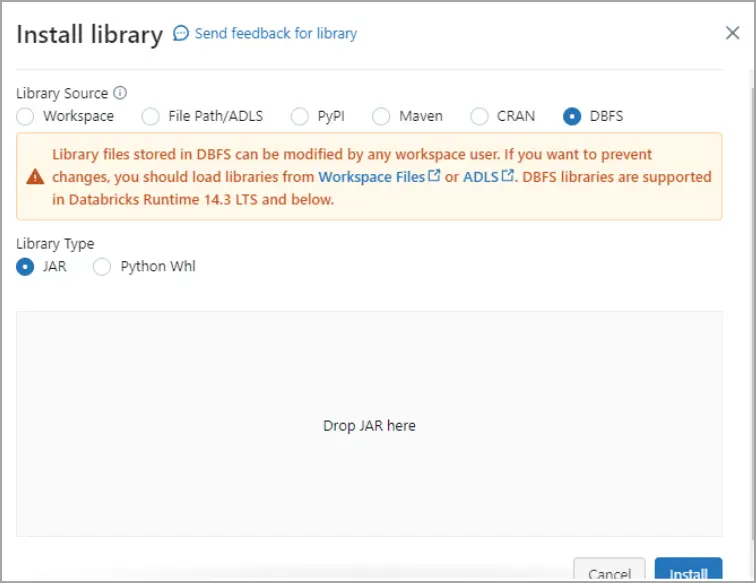
In the Install Library dialog, select DBFS, and drag and drop the
cdata.jdbc.connect.jar file. Click Install.
2.3 Query Zuora Data in a Databricks Notebook
Notebook Script 1 — Define JDBC Connection:
- Paste the following script into the notebook cell:
driver = "cdata.jdbc.connect.ConnectDriver"
url = "jdbc:connect:AuthScheme=Basic;User=your_username;Password=your_pat;URL=https://cloud.cdata.com/api/;DefaultCatalog=Your_Connection_Name;"
- Replace:
- your_username - With your CData Connect Cloud username
- your_pat - With your CData Connect Cloud Personal Access Token (PAT)
- Your_Connection_Name - With the name of your Connect Cloud data source, from the Sources page
- Run the script.
Notebook Script 2 — Load DataFrame from Zuora data:
- Add a new cell for this second script. From the menu on the right side of your notebook, click Add cell below.
- Paste the following script into the new cell:
remote_table = spark.read.format("jdbc") \
  .option("driver", "cdata.jdbc.connect.ConnectDriver") \
  .option("url", "jdbc:connect:AuthScheme=Basic;User=your_username;Password=your_pat;URL=https://cloud.cdata.com/api/;DefaultCatalog=Your_Connection_Name;") \
  .option("dbtable", "YOUR_SCHEMA.YOUR_TABLE") \
  .load()
- Replace:
- your_username - With your CData Connect Cloud username
- your_pat - With your CData Connect Cloud Personal Access Token (PAT)
- Your_Connection_Name - With the name of your Connect Cloud data source, from the Sources page
- YOUR_SCHEMA.YOUR_TABLE - With your schema and table, for example, Zuora.Invoices
- Run the script.
Notebook Script 3 — Preview Columns:
- Similarly, add a new cell for this third script.
- Paste the following script into the new cell:
display(remote_table.select("ColumnName1", "ColumnName2"))
- Replace ColumnName1 and ColumnName2 with the actual columns from your Zuora structure (e.g. Id, BillingCity, etc.).
- Run the script.
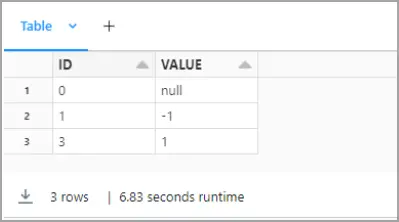
You can now explore, join, and analyze live Zuora data directly within Databricks notebooks—without needing to know the complexities of the back-end API and without replicating Zuora data.
Try CData Connect Cloud Free for 14 Days
Ready to simplify real-time access to Zuora data? Start your free 14-day trial of CData Connect Cloud today and experience seamless, live connectivity from Databricks to Zuora.
Low code, zero infrastructure, zero replication — just seamless, secure access to your most critical data and insights.
